

A year after the opening of the new Port Olímpic, the anchoring of artificial reefs, the submersion of 20 gabions in the port and the naturalisation of the Sea Wall’s breakwater blocks are helping establish the site as a leader for marine regeneration and sustainability
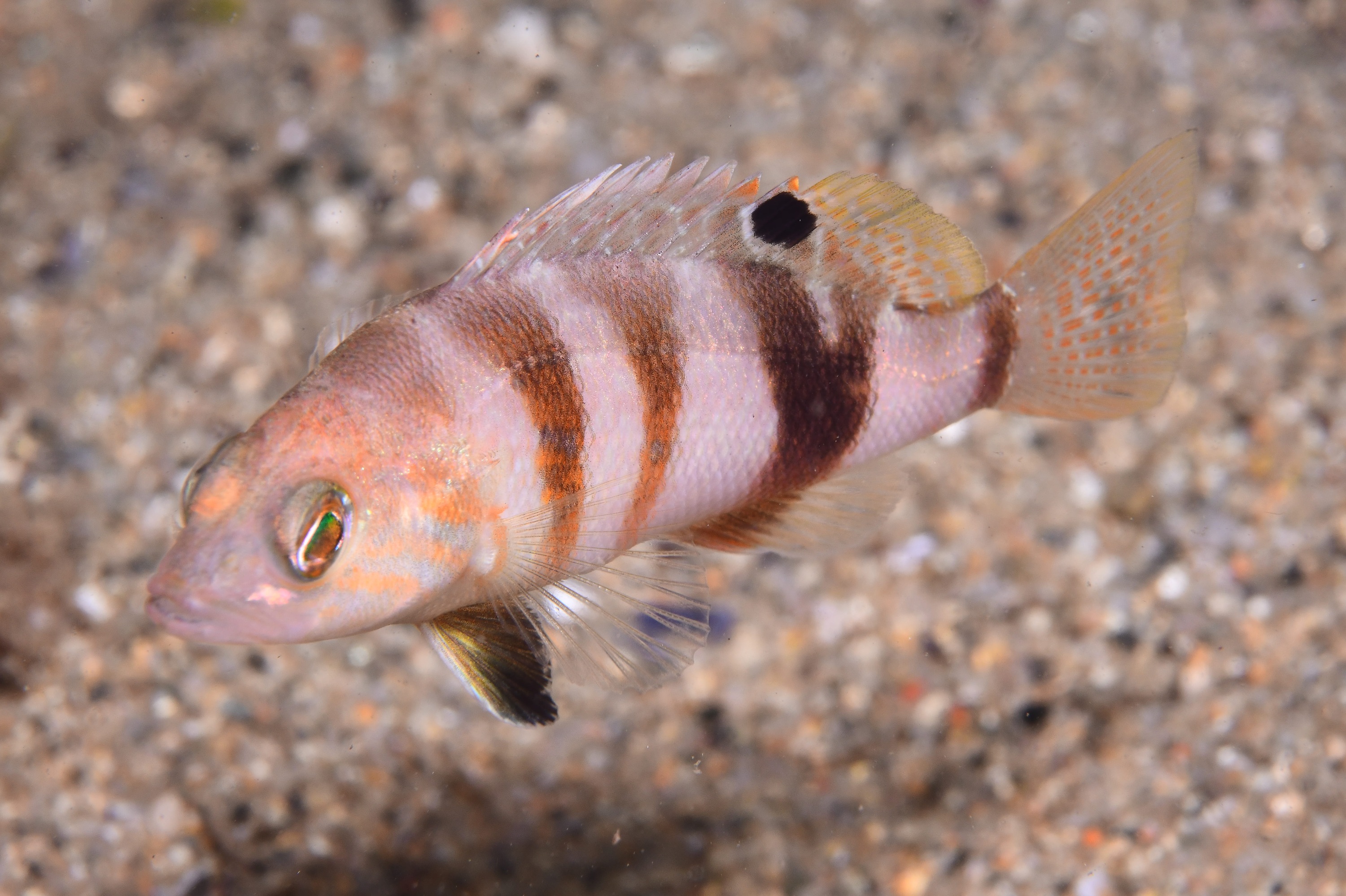
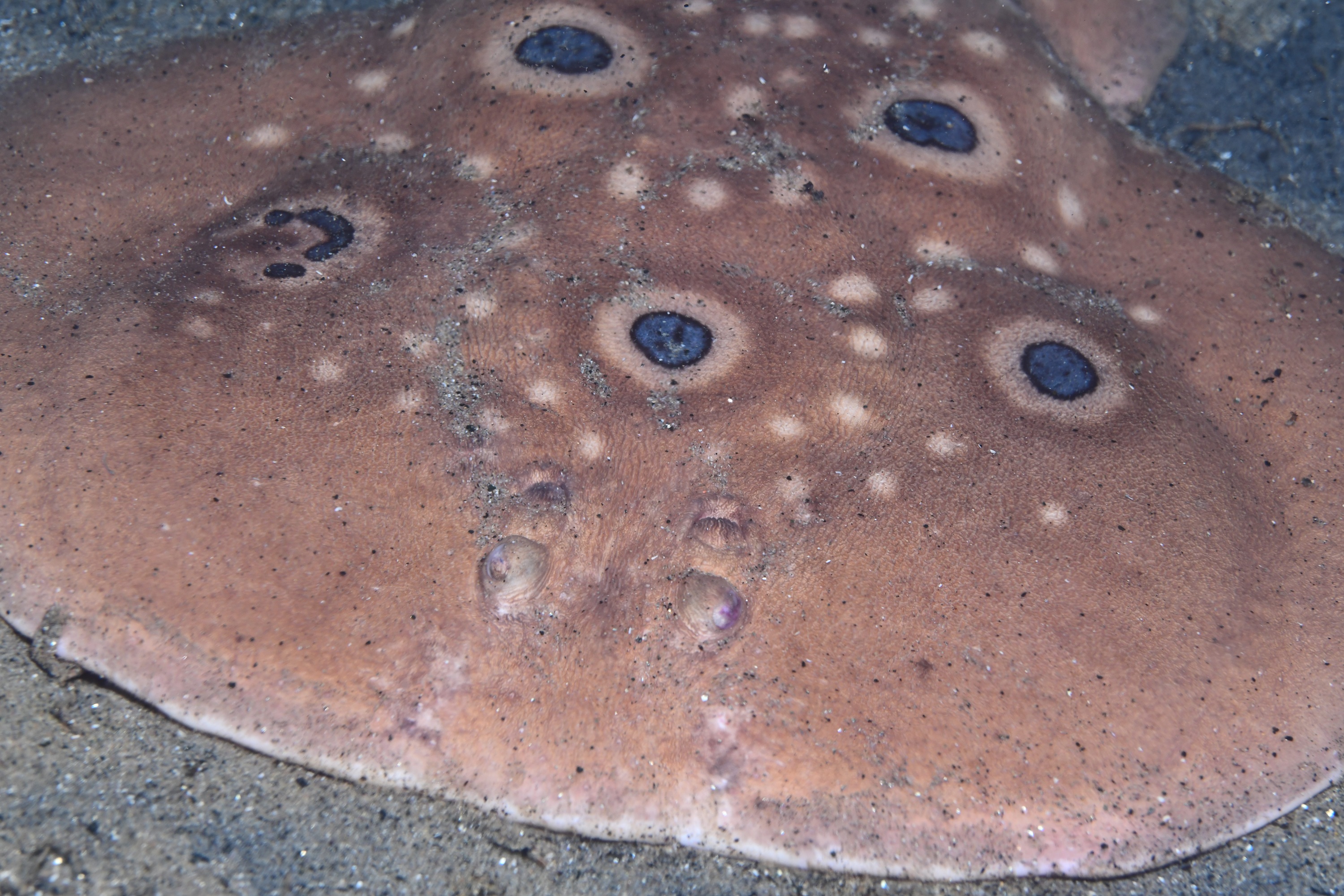
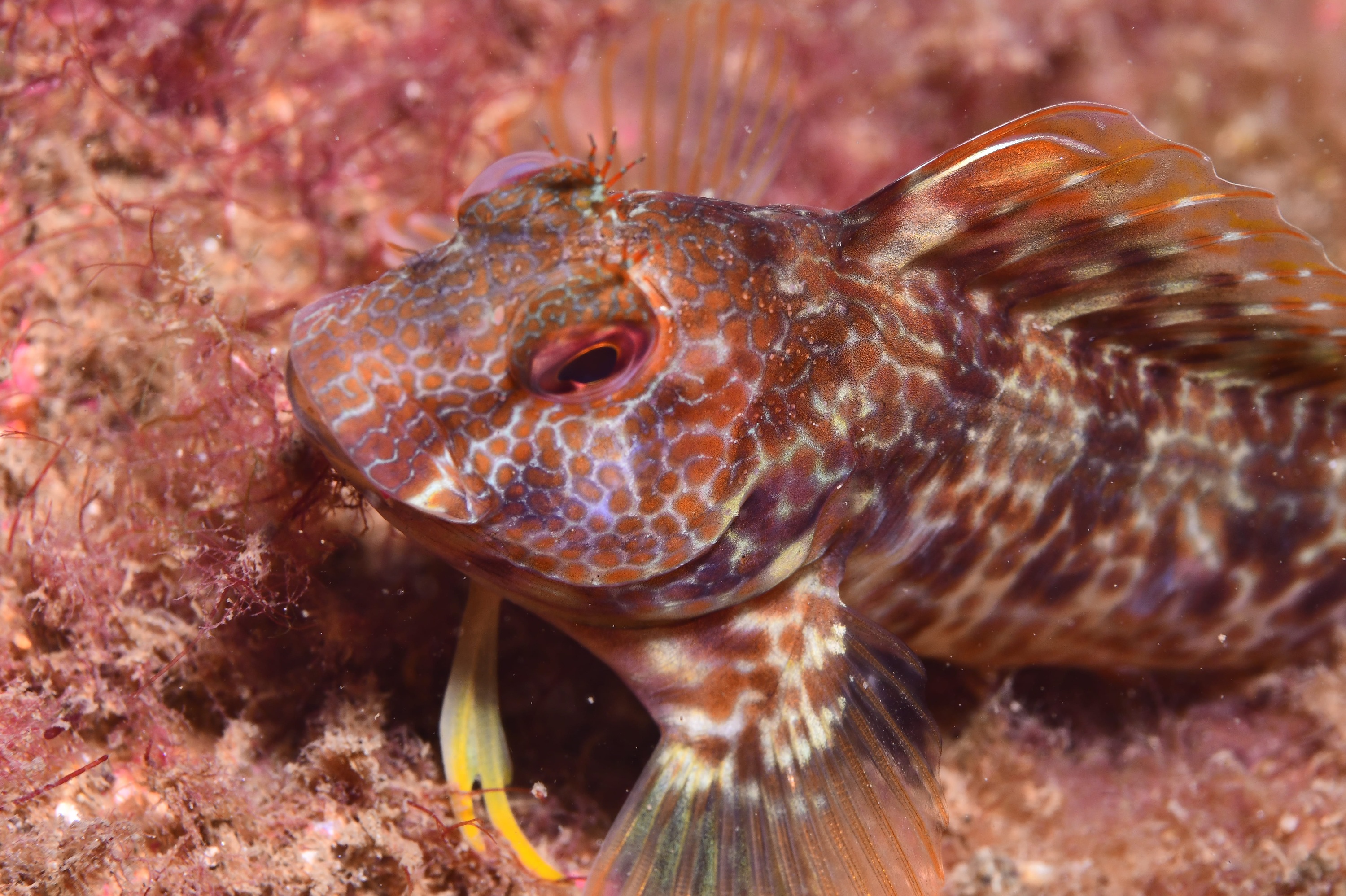
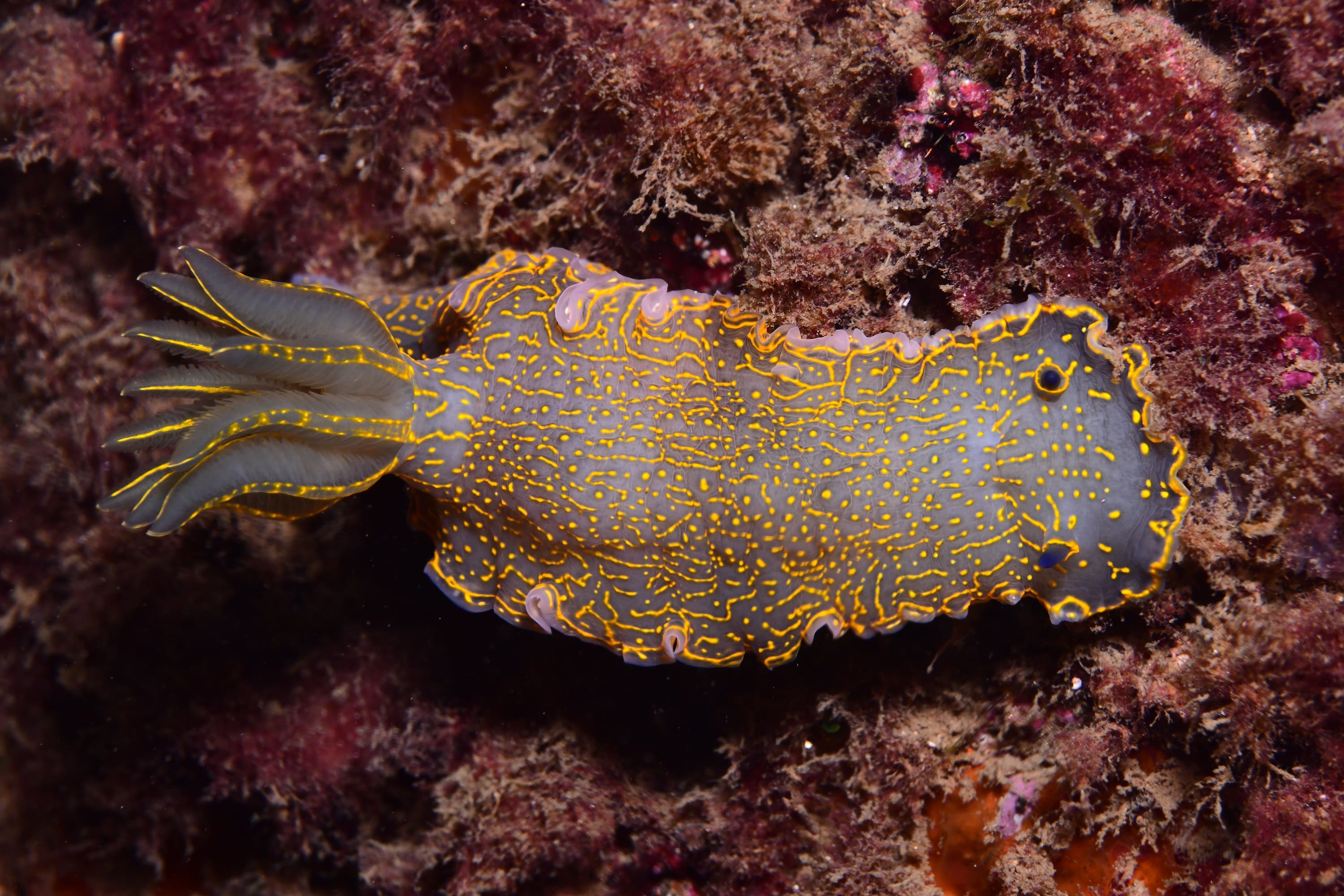
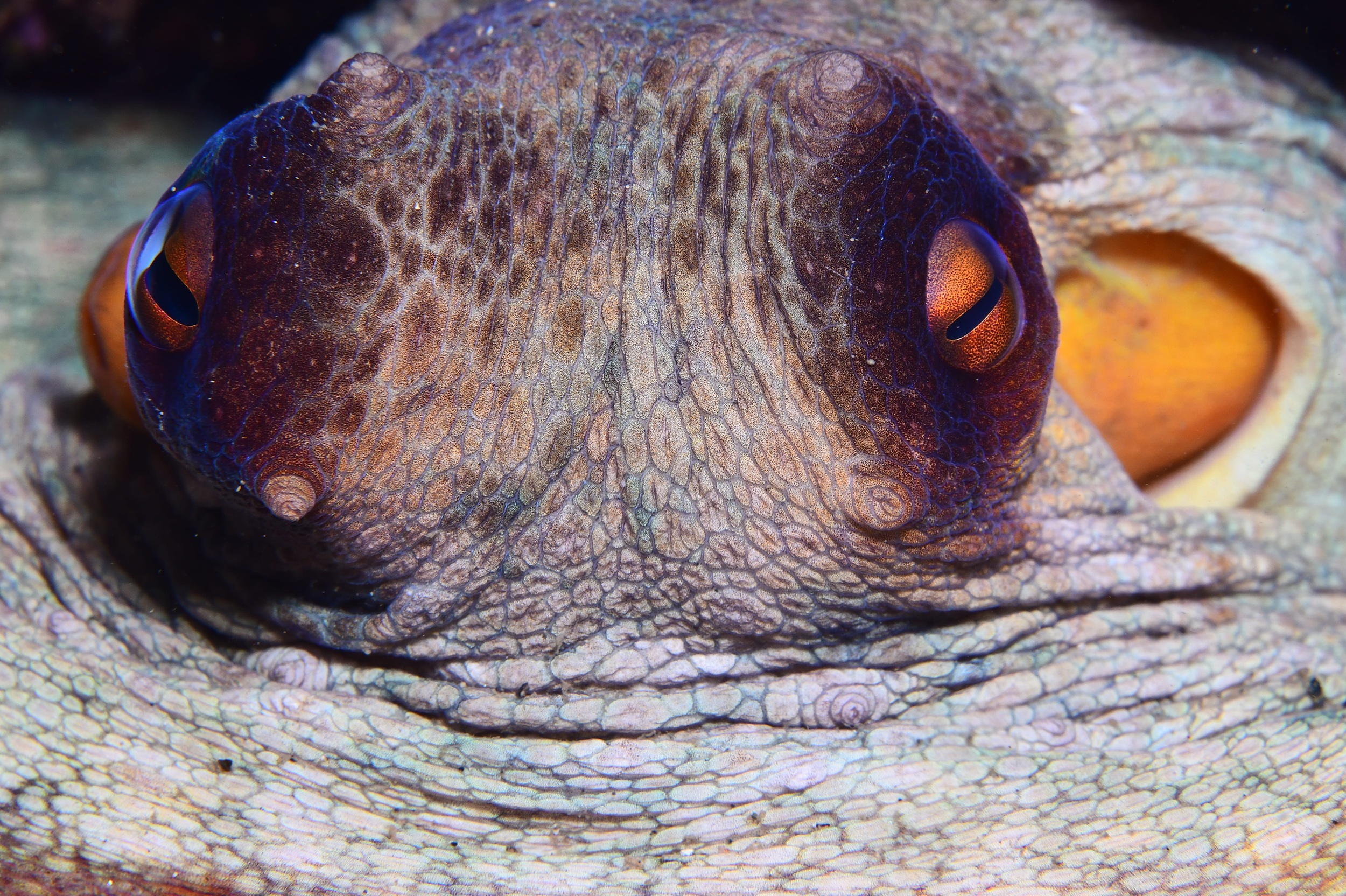
A year after being installed, the 50 artificial reefs anchored in the waters of Port Olímpic have proved highly successful in restoring marine biodiversity along the Barcelona coastline. The structures, installed in spring 2024, are now fully colonised by algae and other marine species, and have become a refuge and breeding ground for more than 100 species.
Invertebrates such as molluscs, crustaceans and sponges, together with fish from the wrasse, blenny and seabream families, are among the species whose presence has increased significantly in these coastal waters. This is another step forwards for Port Olímpic, managed by BSM, in its goal of fostering marine biodiversity and helping to regenerate the Barcelona coastline, positioning itself as a leading port in this field.
‘Barcelona has always been a city connected to the sea, and the Port Olímpic has a duty to care for and restore our coastline, as well as to lead projects that reverse the effects of years of human activity on the flora and fauna of our coast’, said Barcelona mayor Jaume Collboni. ‘That’s why Barcelona City Council, through BSM, has made the recovery of marine biodiversity one of our top priorities in the entire Port Olímpic transformation project’.
To monitor the ongoing colonisation of these reefs, Port Olímpic will carry out regular underwater surveys, alongside scientific monitoring of biodiversity recovery and seabed regeneration. The project is led by the Barcelona Zoo Foundation in collaboration with the Spanish National Research Council’s (CSIC) Institute of Marine Sciences (ICM), the University of Barcelona (UB) and the Polytechnic University of Catalonia – BarcelonaTech (UPC).
A port that prioritises marine ecosystems and is committed to sustainability
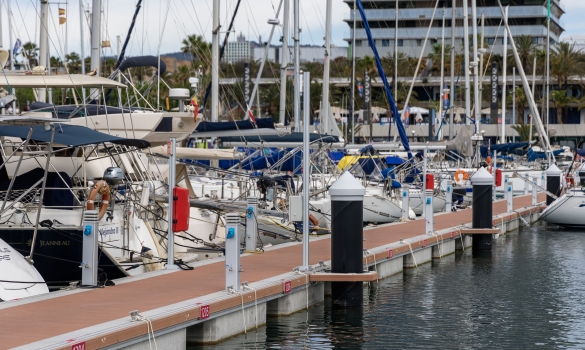
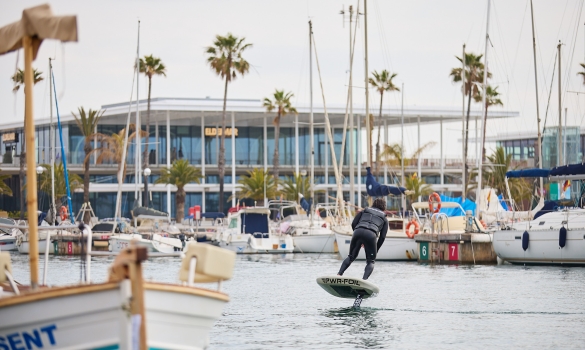
In recent years, a range of initiatives have transformed Port Olímpic into a renovated, sustainable space where popular sailing, the blue economy, food, culture and family leisure all come together. Caring for marine ecosystems has been a priority throughout this process, with several measures establishing this marina as a leader in the field.
As part of efforts to promote marine regeneration, in 2021 the blocks designed to make up the submerged breakwater of the Sea Wall were treated to encourage colonisation by marine organisms. In 2024, 50 artificial reefs were installed to create a new marine biotope off the Sea Wall, thereby boosting local biodiversity. That same year, 20 gabions filled with mollusc shells were also submerged in the port’s waters. A year later, these structures have fostered the proliferation of native fauna and flora – particularly the presence and development of fish larvae and invertebrates commonly found in port environments.
Other kinds of sustainability have also been central to Port Olímpic’s transformation. A key example is the shift to renewable energy sources through the installation of four pergolas covering the entire Balcó Gastronòmic culinary balcony, equipped with more than 1,500 photovoltaic panels which will soon supply green energy to other BSM facilities through a shared self-consumption system of 620 kW.
To drive the electrification of sailing, two ultra-fast Endolla Barcelona charging points have also been installed for electric boats. Powered by zero-kilometre renewable energy, these chargers make Port Olímpic a pioneer in the electrification of urban recreational sailing and contribute to the energy transition of maritime mobility. Another noteworthy initiative is the replacement of the concrete jetties at Moll de Xaloc, which began in 2025. To adapt this maritime infrastructure and make it more resilient to the effects of climate change, all the port’s jetties will become floating structures.
These climate change adaptation and mitigation measures are complemented by other circular economy strategies, such as using eco-designed construction materials in the transformation works, building a drought-resilient groundwater network that reduces potable water consumption, and harnessing seawater to cool HVAC systems.