

Twenty bioregeneration gabions have been installed over the last few days, designed to promote the recovery of marine ecosystems
The trial will gauge the suitability of these structures for restoring ecological functions in marine environments such the Port Olímpic
The Port Olímpic is making progress in its project to promote biodiversity in its seabed by installing approximately twenty biohuts, which are bioregeneration gabions designed to foster the presence and development of young fish, typically found in port areas.
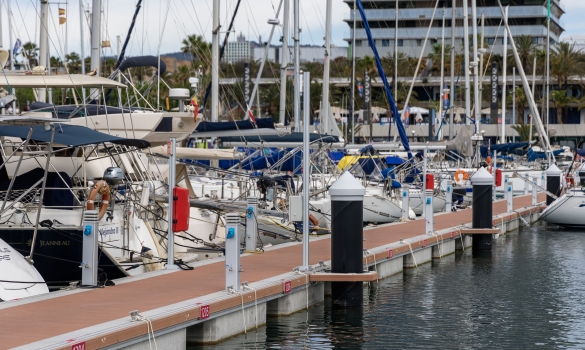
The structures have been set up on the water’s surface at the Port Olímpic, along the Sea Wall and at the Moll de Marina wharf. Created using uneven mollusc shells, these spaces offer shelter from predators and also provide nutrients.
The project creates a nature-based solution to bring back marine flora and fauna. There are currently more than 5,000 biohuts like the ones at the Port Olímpic distributed around Europe’s coasts, where over 500 different species have been observed.
The pilot trial is one of the measures adopted by the Port Olímpic to foster the recovery of its seabed. The project is in addition to the greening strategy being carried out in collaboration with Zoo de Barcelona. In front of the Sea Wall, there is currently a large bioregeneration area of 1,300 m2 made up of reefs that foster seabed biodiversity and help to improve the quality of the water.
Port Olímpic as a leader in sustainable management
The pilot project to promote the presence of young fish is another step by the Port Olímpic in its efforts to become a role model in sustainable management. In terms of energy, the large solar pergola that will cover the new restaurant deck and generate 825,000 kWh a year is set to be one of the most iconic elements of the site, making the Port Olímpic one of the leading kilometre-zero shared consumption initiatives in Barcelona.
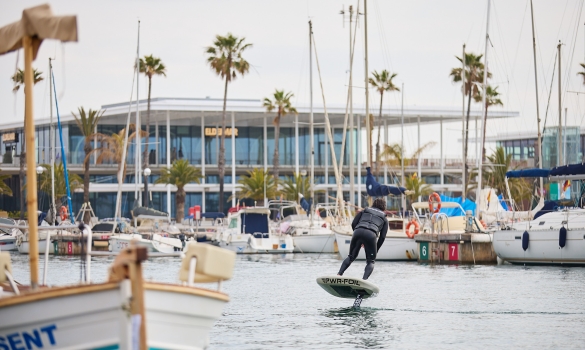
The Port Olímpic will also be a pioneer in promoting sustainable sailing thanks to the installation of two ultra-fast charging points for electric boats, making it the first port in Spain to offer this service using green energy produced and stored at the port itself.
The project to transform the Port Olímpic also includes environmental measures such as improved insulation in new buildings and the application of circular strategies, including the use of sea water for cooling the air-conditioning systems at Moll de Mestral wharf premises, avoiding the heat island effect.