Imagen destacada
Imatge
Cuerpo

The event will start with an opening speech by the park’s oldest member

Following a 9% increase over the past decade, there are now over 83,500 holders of an annual Tibidabo pass

A variety of shows and traditional culture events will be held in some of the park’s areas, including the Panoramic Area, Plaça dels Somnis and Plaça del Jardí, as part of its Annual Festival

This Saturday, 16 November, Tibidabo will be holding a new edition of its festa major, or Annual Festival. This year’s festivities will mark both the 123rd anniversary of the park itself and the 20th anniversary of TibiClub, the membership programme that gives families unlimited access to the park for an entire year. The park will be honouring its most loyal members with an opening speech by Miguel Ángel Ros, TibiClub’s oldest member. 

Ros was one of the first people to join TibiClub (in 2004), and he has kept up his membership since then. Following steady growth over the last few years, including an increase of almost 9% in the last decade, there are now over 83,500 holders of an annual pass. 

The typical TibiClub member is 44 years old, holds a family pass with one to three minor children, and likely lives in Barcelona province, as is the case for 98% of members. At present, half of all members visit Tibidabo 2 to 5 times a year. 

TibiClub has gradually added new member benefits and services since it was first created. As well as giving members unlimited access to all areas of the amusement park and discounts at its shops and restaurants, the programme supports sustainable transport by giving members free access to the Cuca de Llum funicular and the TibiBus. 

“TibiClub reflects the strong connection to Tibidabo that many Barcelona residents feel and pass down to the new generations, who continue to share in the excitement of each visit. Our aim is to keep improving what is on offer and the experience of going up to this iconic Barcelona site, which is much more than just an amusement park”, said the park’s director, Rosa Ortiz. 

Shows and traditional culture

This year marks the fourth edition of the Tibidabo festa major, which is once again set to fill the park with shows and traditional culture. 

The day will start at 10.30 am in the Panoramic Area, with hot chocolate for everyone, followed by the pregó, or opening speech. At 11.30 am, the event will move onto Plaça del Jardí for a dance performance by Agrupació Ball de Gitanes de Martorelles. 

The festivities will continue in the afternoon at Plaça del Somnis, with a concert by the Escola de Música de Nou Barris music school at 3 pm, followed at 4.30 pm by “Solo de guant”, part of Tibidabo Amusement Park’s Puppet Month events. 

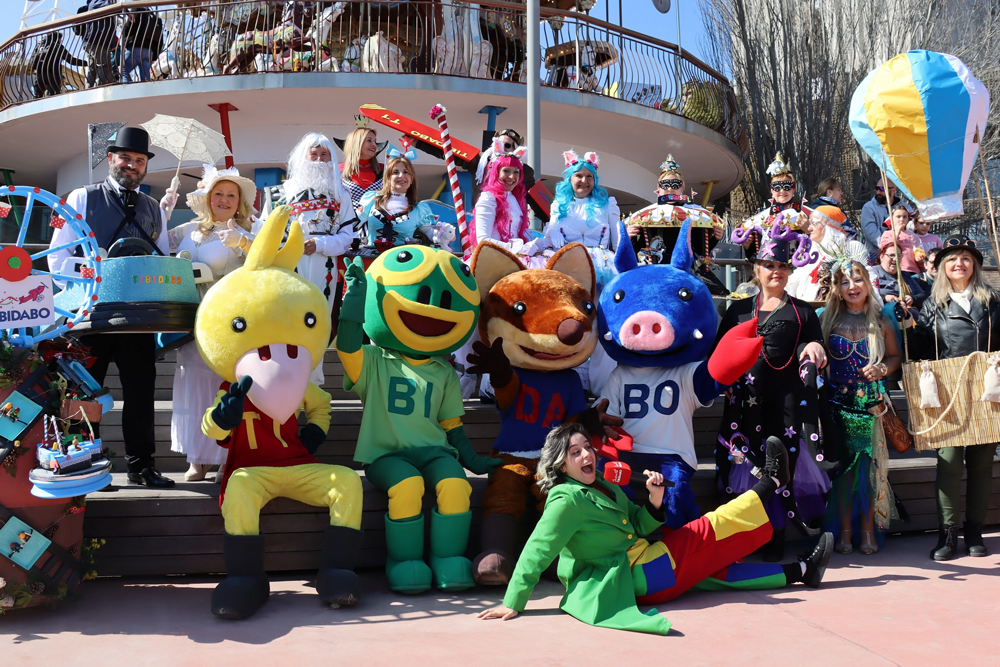
The festivities will conclude with a dance for all participants, featuring the park’s mascots and starting at 5 pm in Plaça del Jardí. 
Tibidabo celebrates the 20th anniversary of TibiClub during its Annual Festival
Read the note
Fecha de publicación
News or press release?
Press release
Etiqueta
Imagen destacada
Imatge
Cuerpo

Since January, the service has added 15,000 monthly charges and has nearly doubled the number of active users compared to a year ago    

Recently, Endolla Barcelona has opened up to Telpark and Repsol customers, who can now locate and use the network’s more than 1,000 charging stations without needing to register for the service 

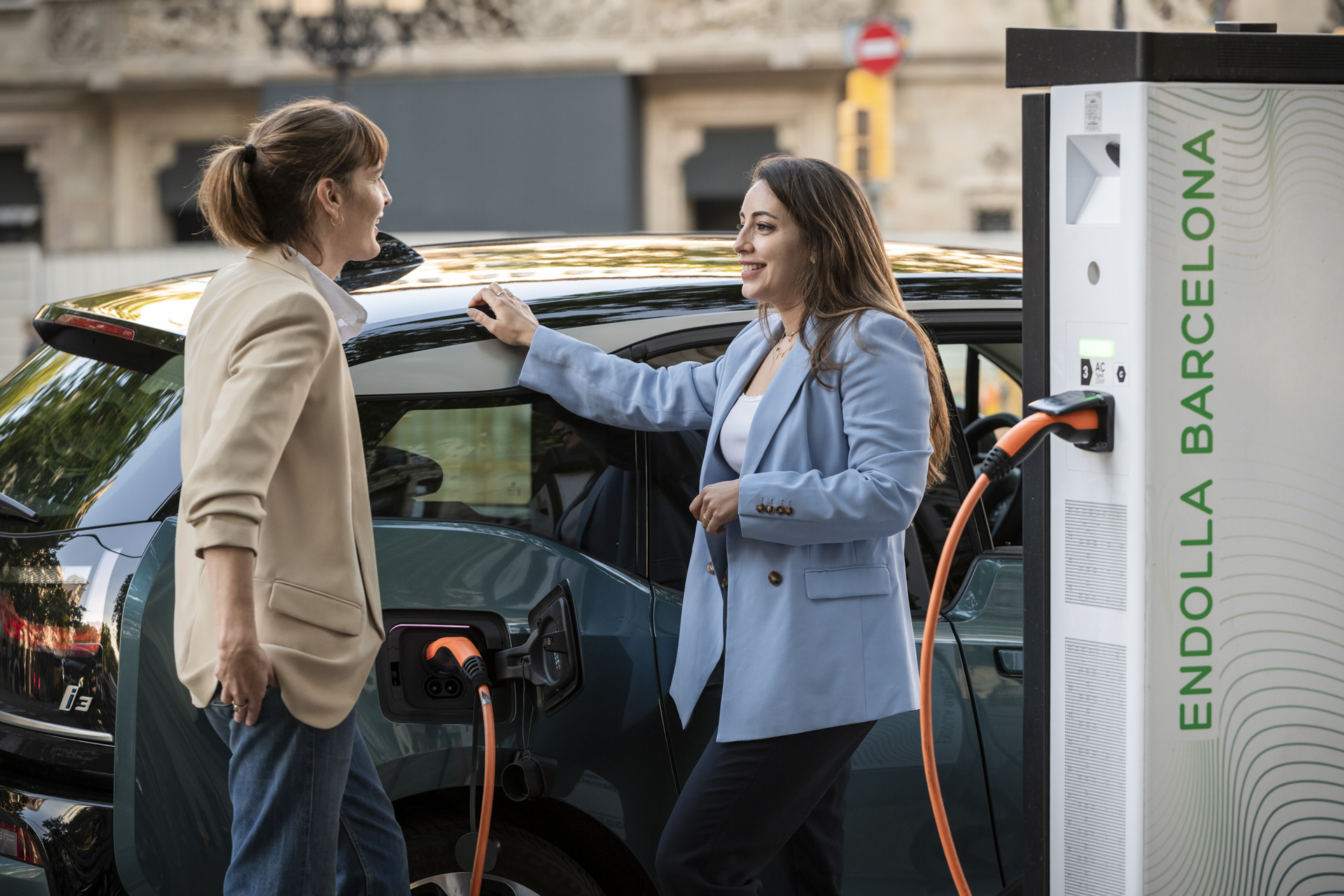
Endolla Barcelona is continuing to grow. Between January and September, the city’s public electromobility network recorded an average of 15,000 uses per month. This amounts to a total of approximately 135,000 charges, a 30% increase compared to the same period last year. 

The number of active users also continues to grow and has nearly doubled compared to the previous year, reaching 38,000 as of 30 September.

Furthermore, charging at the Aparcaments BSM network of car parks increased 40% in nine months, now accounting for nearly half of the network’s total usage. This shift reflects the success of Endolla Barcelona’s commitment to promoting planned charging during off-peak hours, with minimal impact on public spaces. 

During this period, the districts with the most charging activity were Eixample, Sarrià – Sant Gervasi, and Sant Martí, which account for one in every two uses. 

Meanwhile the energy supplied has increased by 37%, going from 1.2 kWh to 1.6 kWh. From an environmental perspective, the charging activity between January and September at Endolla Barcelona stations has prevented the emission of 445 tonnes of CO2.

Endolla Barcelona is the leading public electromobility network in Spain and southern Europe 

Endolla Barcelona, managed by Barcelona de Serveis Municipals (BSM), is the largest public network of electric vehicle charging stations in Spain and southern Europe. The service currently has 1,027 charging stations installed throughout the city and is preparing to expand to 3,000 points as demand increases. 

The city’s electromobility network has been working for several months specifically on adding 2,000 new charging stations at BSM car parks. This continues Endolla Barcelona’s far-reaching and equitable expansion strategy, aimed at supporting the transition to electric vehicles by anticipating demand and ensuring uniform coverage across all neighbourhoods. 

A network open to customers from other operators 

One of the key principles of Endolla Barcelona’s expansion strategy is its focus on convenience, accessibility, and proximity. In this regard, the network has agreements with other electromobility operators to allow their customers to locate and use Endolla Barcelona charging stations through their regular mobile apps, without needing to register specifically for the service. 

The latest companies to partner with Endolla Barcelona are Telpark and Repsol –through the Waylet app– joining Bosch, Electromaps, Etecnic, Iberdrola, Shell Recharge Solutions, Wenea, and Zunder. Customers of all these companies can locate, activate, and pay for charging at any Endolla Barcelona stations conveniently through their regular mobile app. 

This openness reflects Endolla Barcelona’s user-centred approach as a public service that offers people the best possible vehicle charging experience. 

Sustainability and innovation, Endolla Barcelona’s key lines of action  

Endolla Barcelona is also working to support the electromobility sector in addressing some of its challenges, such as reducing charging times and developing energy-efficient, sustainable infrastructure. 

To this end, Barcelona’s electromobility network is participating in various innovation projects through public-private partnerships. These projects include a pilot test for scheduled electric vehicle charging in BSM car parks, taking advantage of off-peak energy hours, as well as a project testing the prototype of a charging station designed to allow for cost-effective mass production and easy maintenance. 

Endolla Barcelona has also facilitated the addition of electric motorcycle battery swap stations to the Aparcaments BSM car park network, promoting a more sustainable and planned-out approach to urban mobility.

Endolla Barcelona sees a 30% increase in usage and now has 38,000 active users
Read the note
Fecha de publicación
News or press release?
Press release
Etiqueta
Imagen destacada
Imatge
Cuerpo

The award from the National Association of Electric Boats (ANBE) highlights Port Olímpic’s comprehensive plan to contribute to decarbonisation, the shift to electric boating, self-consumption, and the regeneration of the seabed

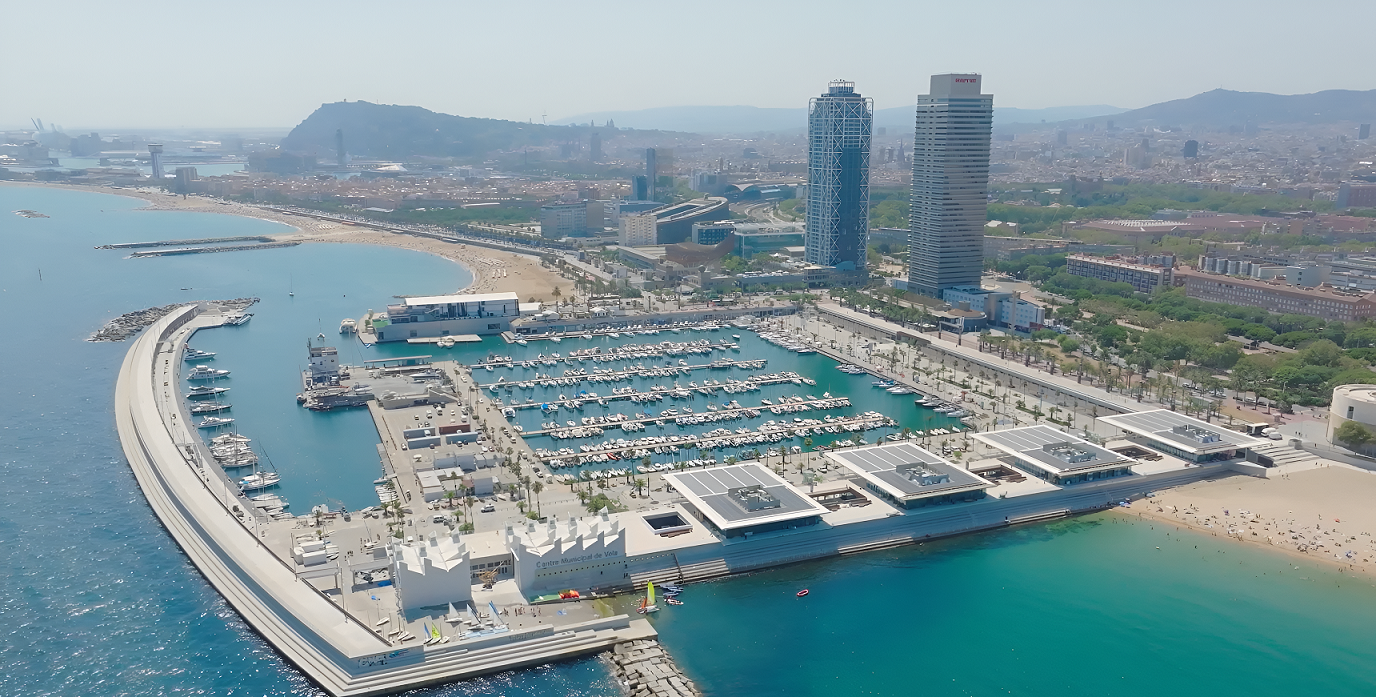
Port Olímpic was recognised in the Sustainable Ports category at the first edition of the Sustainable Boating Awards. The awards, organised by Spain’s National Association of Electric Boats (ANBE) and presented this Wednesday in Málaga, highlight the approach of the Port Olímpic transformation project, which places environmental criteria at the heart of all the initiatives. 

The ANBE award recognises Port Olímpic as one of the country’s leading sports marinas, with pioneering projects in areas such as electric boat charging solutions, decarbonisation, digitalisation, and photovoltaic self-consumption, among others. 

Since the start of its transformation process, led by Barcelona de Serveis Municipals (BSM), Port Olímpic has made progress in creating a new urban space that places the blue economy, boating, food, and the sea at the heart of its activities, with environmental action and sustainability criteria as the guiding principles in all these areas. 

“The recognition from ANBE reaffirms the Port Olímpic’s commitment to becoming a leading facility and a role model for environmental management, thanks to projects that encourage circularity and energy self-consumption and accelerate the development of sustainable boating”, said Port Olímpic director Olga Cerezo. 

Port Olímpic, a leader in sustainability

One of the most iconic projects at Port Olímpic is the installation of a large photovoltaic pergola covering the Culinary Balcony, located at the Moll de Gregal wharf. The 1,500 panels cover an area of 3,560 m2 and contribute to the generation of clean energy for Port Olímpic itself, as well as other BSM facilities located within a two-kilometre radius, such as Barcelona Zoo, the Poblenou Cemetery, and nearby car parks. This initiative makes the Port Olímpic the leader of one of the first shared self-consumption and kilometre-zero initiatives in Barcelona. 

The energy generated by the photovoltaic pergola powers another of the Port Olímpic’s strategic initiatives, namely the installation of two ultra-fast charging points from the Endolla network for electric boats. With this initiative, the Port Olímpic is making progress towards its goal of promoting the energy transition in both the nautical industry and maritime mobility, while anticipating the needs of a growing sector. 

Other projects that contributed to ANBE’s recognition of the Port Olímpic include the implementation of circular strategies, such as the construction of a groundwater network to save on drinking water consumption, eco-design in the selection of building materials –with a recycling rate of between 80% and 100%– and the use of seawater for cooling in HVAC and ventilation systems. 

Port Olímpic is also promoting the restoration of the surrounding coastline, in this case, with the installation of 50 biotopes and 23 gabions on the seabed and on the water’s surface to help local marine fauna and flora thrive. This project is linked to work aimed at highlighting the process of biodiversity recovery and helping raise public awareness about the protection of the sea and its species.

Port Olímpic, recognised for its environmental projects at the Sustainable Boating Awards
Read the note
Fecha de publicación
News or press release?
Press release
Etiqueta
Imagen destacada
Imatge
Cuerpo

The release is part of the TuroCat project to restore the polecat in Catalonia, involving Zoo de Barcelona, the Department of Territory, Housing, and the Ecological Transition, the Trenca Foundation, the Association for the Defence and Study of Native Flora and Fauna, and the Autonomous University of Barcelona

The only native populations of this species are found in the Empordà and the Eastern Pyrenees

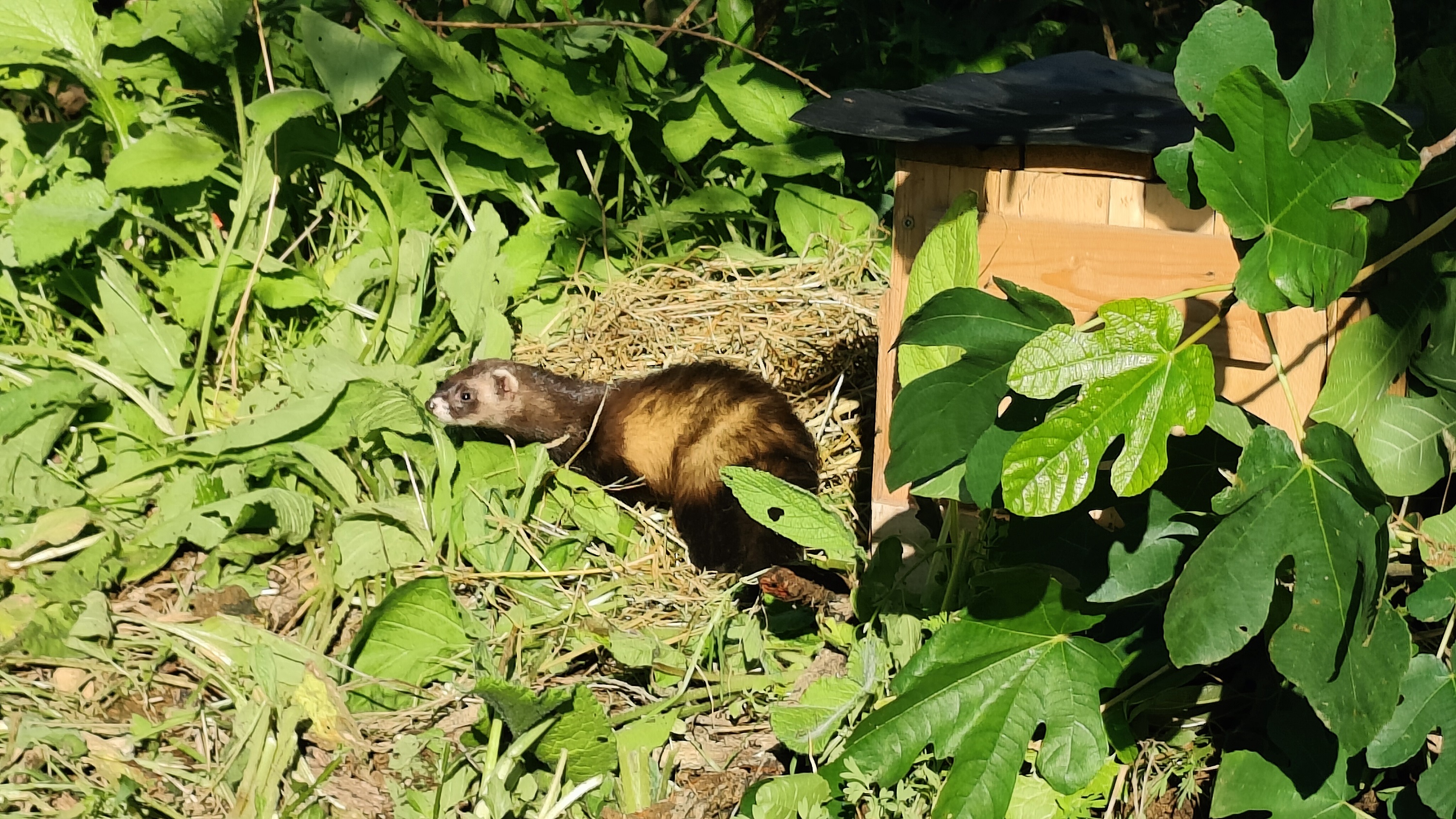
Barcelona Zoo participated this Monday in the release of five captive-bred European polecats (Mustela putorius) into the Baix Empordà region. The release was part of TuroCat, a programme to restore this species in Catalonia, led by the Department of Territory, Housing, and the Ecological Transition, in collaboration with Zoo de Barcelona, the Trenca Association, the Association for the Defence and Study of Native Flora and Fauna, and the WildCoM research group from the Autonomous University of Barcelona’s Faculty of Veterinary Medicine.    

In total, three females and two males from the Camadoca Wildlife Conservation Centre, managed by the ADEFFA association, were released to boost existing populations, maintain connectivity between the Ter, Fluvià, and Muga river basins, and improve their habitat.

A species in danger of extinction in Catalonia

The Catalogue of threatened native wildlife and protection and conversation measures for protected native wildlife lists the European polecat as a species in danger of extinction in Catalonia. In fact, it is one of our most endangered mammals. It is estimated that its range has shrunk by 80% over the past 50 years, and it is currently found only in the plains of Alt and Baix Empordà and in very low numbers in the forests of the Eastern Pyrenees. Several factors have contributed to its decline, including poison to control other predators, potential hybridisation with ferrets, the use of pesticides and rodenticides, habitat destruction, and traffic accidents.

The TuroCat project is working to restore the species through an ex-situ breeding programme at the Camadoca Wildlife Centre and the Pont de Suert Wildlife Centre. This approach enables the breeding centres to maintain a genetically diverse population, supporting the species’ recovery in the coming years. Since the breeding programme began in 2021, 62 specimens have been born. 

In 2024, 20 babies (11 females and nine males) were born at the wildlife centres. Five were released today in the Baix Ter area, and additional specimens will be released on Thursday at the Raimat Natura site in Lleida, where a new population is being established as an experimental trial. Further releases are planned in the Albera area of Alt Empordà. In total, 17 polecats will be released. The remaining three will join the breeding stock.

This marks the fourth reintroduction carried out under this project, involving the Department of Territory, Housing, and the Ecological Transition, Zoo de Barcelona, the Trenca Foundation, the Association for the Defence and Study of Native Flora and Fauna, and the WildCoM research group from the Autonomous University of Barcelona’s Faculty of Veterinary Medicine.    
 

Five European polecats released in the Baix Ter to help recover this endangered species
Read the note
Fecha de publicación
News or press release?
Press release
Etiqueta
Imagen destacada
Imatge
Cuerpo

The agreement follows years of collaboration between the two institutions on projects for the conservation of endangered native species 

It will promote the conservation of species such as the Mallorcan midwife toad, Ibiza wall lizard and Lilford’s wall lizard, among others  

Zoo de Barcelona, through the Zoo de Barcelona Foundation, and the Department of Agriculture, Fisheries and Natural Environment of the Balearic Islands Government, have entered into a collaboration agreement to work on ex-situ (outside the natural habitat) conservation and management and breeding of protected species for repopulation or reintroduction into the wild. This four-year agreement builds on over 15 years of collaboration on projects protecting endangered Balearic wildlife. 

The first specific initiative under this agreement took place on Wednesday with the reintroduction of nearly a hundred Mallorcan midwife toads (Alytes muletensis), one of the most endangered species in the Balearic Islands, classified as critically endangered in the Spanish Catalogue of Endangered Species. The reintroduction of the toads into their natural habitat was carried out on a private estate in the Serra de Tramuntana mountain range, with the participation of the Director of Zoo de Barcelona, Antoni Alarcon; the Balearic Islands Government’s director of Agriculture, Fisheries and the Environment, Joan Simonet; as well as technicians from Zoo de Barcelona and the Directorate-General of the Environment’s Species Protection Service. In addition to these institutions, the Damm company is also involved in the project to protect this amphibian.

Alarcon welcomed the signing of the agreement, noting that “Zoo de Barcelona and the Balearic Government have been working together on conservation projects for over 15 years” and that the agreement “reinforces our shared commitment to preserving biodiversity, a challenge in which zoos are increasingly essential. The Balearic Government can always count on us to help restore the biodiversity of these islands, which are home to many unique species.”

The agreement “represents a joint effort to protect and conserve of island biodiversity,” said Simonet. “This initiative symbolises the commitment of both institutions to the conservation of protected native wildlife and its preservation for future generations.”

A new drive for the protection of endangered wildlife 

Zoo de Barcelona takes part in various research, conservation, and environmental education programmes and has experience managing endangered wildlife. Now, thanks to this agreement, it will contribute to work on endangered species such as the Mallorcan midwife toad (Alytes muletensis), the Ibiza wall lizard (Podarcis pityusensis), and the Lilford’s wall lizard (Podarcis lilfordi), as well as other protected species of conservation interest. The collaboration will also cover the development of environmental education and awareness projects about protected wildlife in the Balearic Islands. The agreement includes the exchange of scientific and technical knowledge between the two institutions and the creation of a committee to monitor the work carried out under the framework of the agreement.

These protective measures are needed given the adverse situation of certain species and the implementation of regional, national, and international regulations in this field. As such, the Balearic Islands Government’s Department of Agriculture, Fisheries and the Environment is implementing conservation and recovery plans for endangered wildlife, which may include ex-situ conservation work and breeding programmes in specialised centres for reintroduction or population reinforcement in natural habitats. In this respect, Zoo de Barcelona has the appropriate facilities and specialist staff to carry out this work.

Zoo de Barcelona and the Balearic Islands Government sign an agreement to conserve protected wildlife
Read the note
Fecha de publicación
News or press release?
Press release
Imagen destacada
Imatge
Cuerpo

The new escalators have energy efficiency features and monitoring systems to optimise their performance 

The work has a budget of 7.8 million euros, partially funded with Next Generation Funds and part of the Barcelona Sustainable Destination Tourism Strategy, to be carried out in sections until its expected completion in the first quarter of 2026

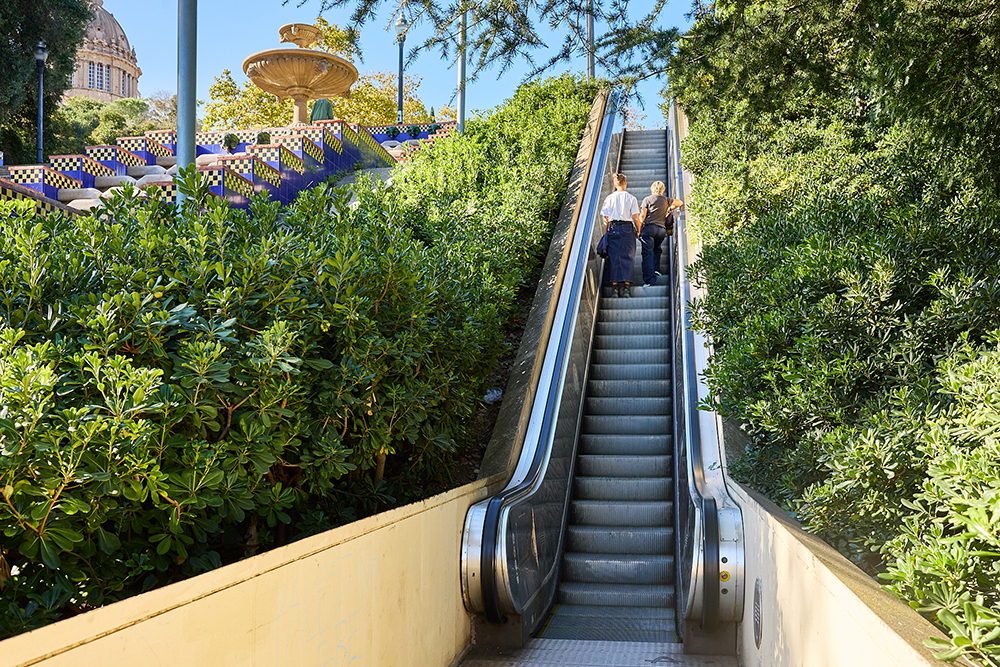
More progress is being made in mountain accessibility in Parc Montjuïc. Work gets under way on 24 October to replace the 22 escalators in the park, the goal being to facilitate movement for the public. Barcelona de Serveis Municipals (BSM) is promoting the work, which has a budget of 7.8 million euros (3.6 million of this from European Next Generation Funds and part of the Barcelona Sustainable Destination Tourism Strategy), to be carried out in different stages until its expected completion in the first quarter of 2026. 

The first escalators to be replaced will be the ones in C/ Guàrdia Urbana, which provide access to Pg. Jean Claude Nicolas Forestier. This section will get a new model of escalators, more energy efficient and sustainable, with a remote control and monitoring system to optimise their performance and guarantee their availability. 

The calendar established for the renewal of all the other escalator sections will take into account the events programme in Parc de Montjuïc and the Anella Olímpica to minimise the effects for visitors during the busiest periods. 

Simultaneous work on the busiest escalators, such as those in Av. Reina Maria Cristina and those providing access to the MNAC and the Anella Olímpica, will be avoided to ensure nearby alternatives for visitors. 

More than 30 million uses

The escalators in the Parc Montjuïc get used 30 million times a year by visitors attending events or cultural venues there, watching or doing sport etc. 

The new escalators are based on sustainability, safety and durability criteria. Their installation means Parc Montjuïc will improve accessibility to the mountain, reducing its carbon footprint at the same time. 

logos next

New escalators to improve accessibility in Parc Montjuïc
Read the note
Fecha de publicación
News or press release?
Press release
Imagen destacada
Imatge
Cuerpo

Over 207,000 people visited Zoo de Barcelona between the end of the school year and 31 August, the highest number in the last eight years 

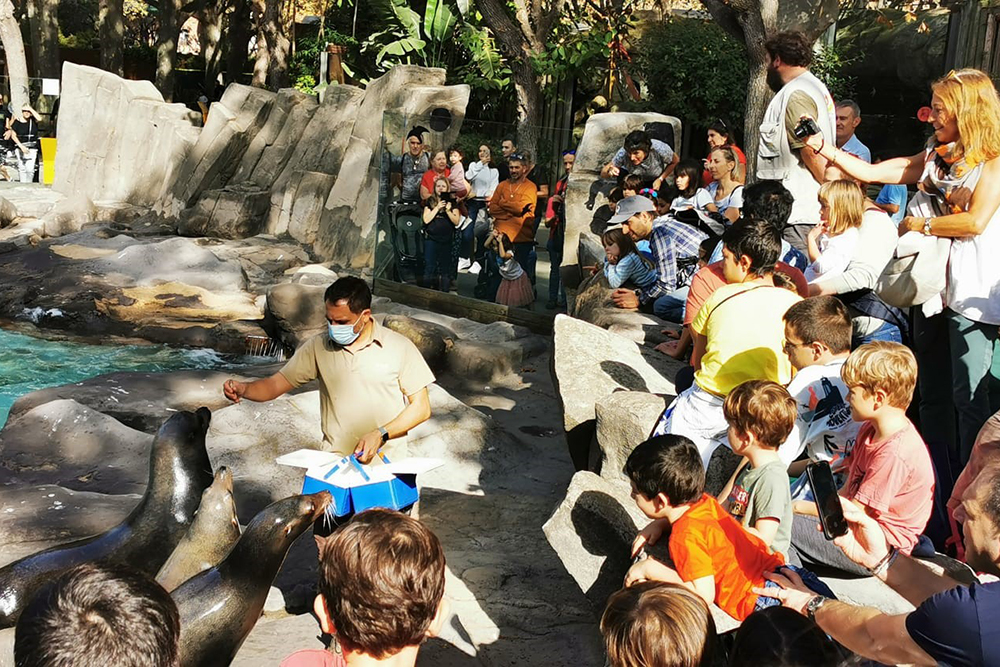
Zoo de Barcelona  once again closed out the summer with an increase in visitors. Over 207,000 people visited between the end of the school year and 31 August, a 13% increase compared to last summer and also the highest number in the last eight years. 

The new record number of visitors in the summer highlights how the Zoo has struck a chord with people in its strategy of promoting an understanding of biodiversity, particularly among children, with facilities such as the Invertebrates Space and educational leisure activities such as the Nature Passport, rated 9 out of 10 on average by Zoo Club members. 

Another notable summer success was the level of participation in the activity camps organised by Barcelona Zoo for children aged from 5 to 14. Eleven camps were organised this year, with all available places filled. In all, 1,040 children and young people took part.  

“These figures once again confirm Zoo de Barcelona’s fine work in promoting an understanding of biodiversity among the public, with educational leisure activities that help foster respect for the environment”, says First Deputy Mayor and chair of Barcelona de Serveis Municipals (BSM), Laia Bonet. 

School visits and family activities return 

With the school year now under way, Zoo de Barcelona is also now offering its range of activities for schools, as well as the rest of its family activities. 

The activities for primary and secondary schools cater for all levels, from preschool through to baccalaureate students, taking into account their curricula. These activities are carried out at the Zoo’s new educational spaces and laboratories, but also in school classrooms, thanks to the teaching tools and materials the Zoo provides teachers to create innovative teaching experiences that foster interest, curiosity and an understanding of the planet’s biodiversity among children and young people.   

The education programme for the 2024-2025 academic year was presented in two meetings for teachers on 15 June and 14 September, with representatives from 117 primary and secondary schools in Barcelona and the metropolitan area in attendance. 

The full range of activities can be found on the Zoo’s website.  

Zoo de Barcelona closes out the summer with a 13% increase in visitors 
Read the note
Fecha de publicación
News or press release?
Press release
Etiqueta
Imagen destacada
Imatge
Cuerpo

On 1 November, All Saints’ Day, a new activity will reveal all the secrets of bats and a special tour will show the public how the Zoo takes cares of its animals 

Autumn activities are back at Zoo de Barcelona. For All Saints’ Day, the Zoo is launching a new family activity about bats and a special tour that will show visitors how it takes care of its animals. It has also recently reopened the Invertebrates Area escape room, a different way to visit this attraction. 

New bat activity and animal well-being tour 

On 1 November, Zoo visitors will be able to participate in the “Aliats dels ratpenats” (Bat Allies) workshop, where, for example, they’ll learn how these flying mammals are able to detect the smallest of insects, even in the dark.  

The activity is free and available at the times shown on the Zoo’s website.

On the same day, the Zoo will also be offering a special tour focusing on how it takes care of its animals. The tour will provide visitors with a first-hand look at the work of the Zoo’s keepers and everything they do to guarantee animal well-being. 

It’s free of charge and will begin at 11.30 in front of the Zoo’s offices, inside the park. 

In addition to these two new activities, on 31 October and 1 November the Zoo will be giving out chestnuts to children who dress up as castanyers (chestnut sellers), in honour of the Catalan castanyada holiday. There will also be a stall in Plaça de la Dama del Paraigua selling the holiday’s traditional chestnuts and sweet potatoes.  

The Invertebrates Area escape room is back 

With the arrival of autumn, the Zoo has opened the Invertebrates Area escape room again. This is a unique way to visit the attraction and learn about the vital importance of invertebrates such as spiders, beetles and worms for ecosystem balance. 

Participants will enter the space with a Zoo educator, and once inside, will have to answer a series of invertebrate-related questions in order to get out. 

This paid activity is exclusively for Zoo Club members and must be booked in advance on the Zoo’s website.

Zoo de Barcelona launches new autumn activities
Read the note
Fecha de publicación
News or press release?
Press release
Etiqueta
Imagen destacada
Imatge
Cuerpo

The installation, which is part of the city’s e-mobility network, Endolla Barcelona, offers power outputs of 150kW and allows for the fast charging of four boats simultaneously 

In a second phase, these charging stations will be powered by the energy generated at the Port Olímpic’s large photovoltaic pergola, a pioneering measure in Spain 

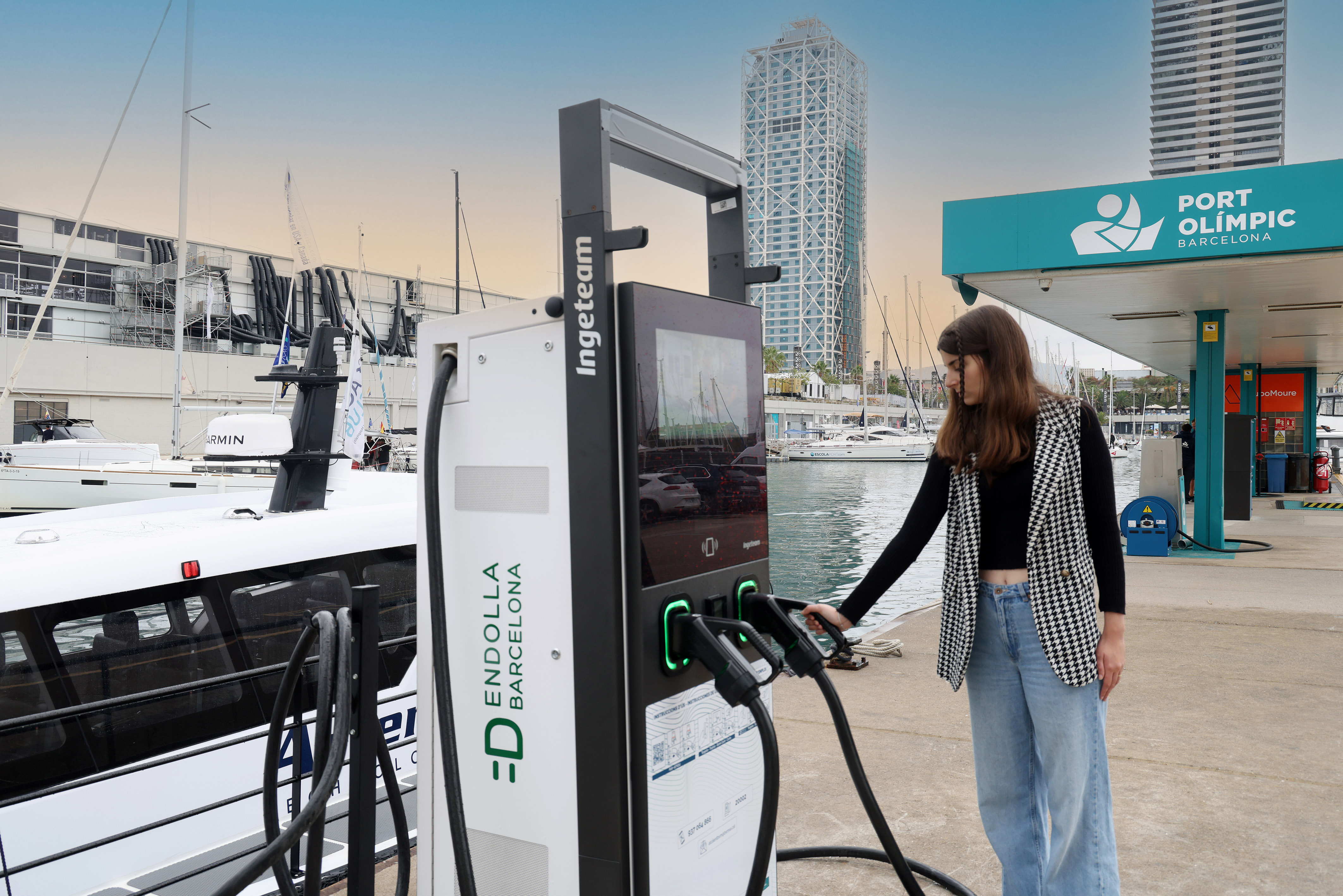
Since the end of summer, Port Olímpic has been equipped with two ultra-fast chargers from Endolla Barcelona, specifically for charging electric boats. These charging stations, located at the Moll de Xaloc wharf, offer power outputs of 150kW and can simultaneously charge up to four boats. 

By incorporating these ultra-fast charging stations, Port Olímpic is making progress in its commitment to becoming a leading port in environmental management. Together with Endolla Barcelona, it is actively supporting the nautical sector in its efforts to decarbonise.

The chargers were designed to meet the boats’ technical and operational needs, featuring, for example, eight-metre hoses that make docking easier. Furthermore, to improve the user experience, these charging stations allow for payment by credit card, a groundbreaking feature that is being gradually implemented across the Endolla Barcelona network.

In the coming months, these units will be powered by energy generated by the 3,560 m2 photovoltaic pergola located on the roof of the Culinary Balcony at Port Olímpic’s Moll de Gregal wharf. Thanks to this initiative, Port Olímpic will become the first port facility in Spain to offer ultra-fast charging powered by green energy generated and stored on-site.

The installation of the charging stations “demonstrates Endolla’s leadership in promoting a sustainable mobility model in the city and Port Olímpic’s ambition to become an inspiration for environmental management applied to the sea, as well as a significant player in the development of the blue economy, a growing ”, says Laia Bonet, first deputy mayor and chair of Barcelona de Serveis Municipals (BSM). 

Fostering sustainable sailing

One of the goals of the new Port Olímpic is to promote energy transition in both the nautical industry and maritime mobility, moving towards a more environmentally friendly nautical industry in terms of air, marine and noise pollution. 

In addition to installing the two charging stations, Port Olímpic is leading other initiatives, such as the Electric Boat Experience, a sustainable boat trade fair that brought together around thirty companies from the sector at the Moll de Mestral wharf last May, with a second edition scheduled for 2025. 

Port Olímpic also promotes sustainable boating through its blue economy business centre, which already includes companies selling electric boats and retrofitting diesel vessels to zero emissions, as well as other businesses in the fields of sustainable nautical services and activities, innovation, technological development in the sector, and circular economy practices applied to the sea. 

The promotion of nautical e-mobility is one of the cornerstones of Port Olímpic’s strategy to become a leader in environmental management. Sustainability has been at the heart of the transformation project, in order to create a cutting-edge, resilient port facility that is adapted to the effects of climate change, generates green energy, and is committed to the renaturalisation of the coastal marine environment and to raising public awareness. 

One of the most iconic environmental projects at Port Olímpic is the large photovoltaic pergola covering the Culinary Balcony, which will generate up to 825,000 kWh per year. The energy generated will power the ultra-fast chargers and ensure the port’s self-consumption while also supplying other nearby Barcelona de Serveis Municipals (BSM) facilities, making, Port Olímpic one of the first local, shared self-consumption and initiatives in Barcelona. 

Port Olímpic is also contributing to the regeneration of the nearby seabed and promoting biodiversity in the area through projects such as the installation of underwater biotopes and the naturalisation of submerged concrete blocks located in front of the Dic de Recer breakwater. These initiatives help marine species thrive and improve water quality. 

Other initiatives undertaken to promote a sustainable Port Olímpic involve the application of high-efficiency, low-impact systems for cooling HVAC systems with seawater, the installation of energy-efficient LED lighting systems, improved insulation for new buildings, and the use of sustainable building materials and solutions. 

Endolla Barcelona, the largest public e-mobility network in Spain

Promoting sustainable mobility and encouraging the use of electric vehicles is one of the main lines of action for Barcelona City Council and Endolla Barcelona —managed by Barcelona de Serveis Municipals (BSM)— which is developing the infrastructure needed to enhance electric mobility in the city. It is currently the largest public e-mobility network in Spain and Southern Europe. 

By installing charging stations at Port Olímpic, the Endolla Barcelona network is expanding its promotion of e-mobility to the nautical sector. The service now offers more than 1,000 charging stations across Barcelona, applying a far-reaching, equitable expansion model that anticipates demand to support residents in the transition to electric vehicles, a crucial factor in improving the city’s air quality. . 

Today, Endolla Barcelona reaches all neighbourhoods equally, offering residents an extensive network of efficient charging stations that are powered by 100% renewable energy. 

Logos


Port Olímpic unveils two ultra-fast charging stations for electric boats 
Read the note
Fecha de publicación
News or press release?
Press release
Imagen destacada
Imatge
Cuerpo

The service has just added another 500 electric bikes in response to the growth in demand, with the overall fleet to be increased to 8,000 bikes over the course of the coming year 

Bicing journeys have increased by 40% in the last five years, surpassing 17.7 million, with the number of registered users up by 57% 

Six new Bicing stations have also come into service in the Parc de Montjuïc this year, with work under way to install a further 68 around the city from 2025 onwards 

The budget for the expansion of Bicing’s electric fleet and the new stations is 2.8 million euros 

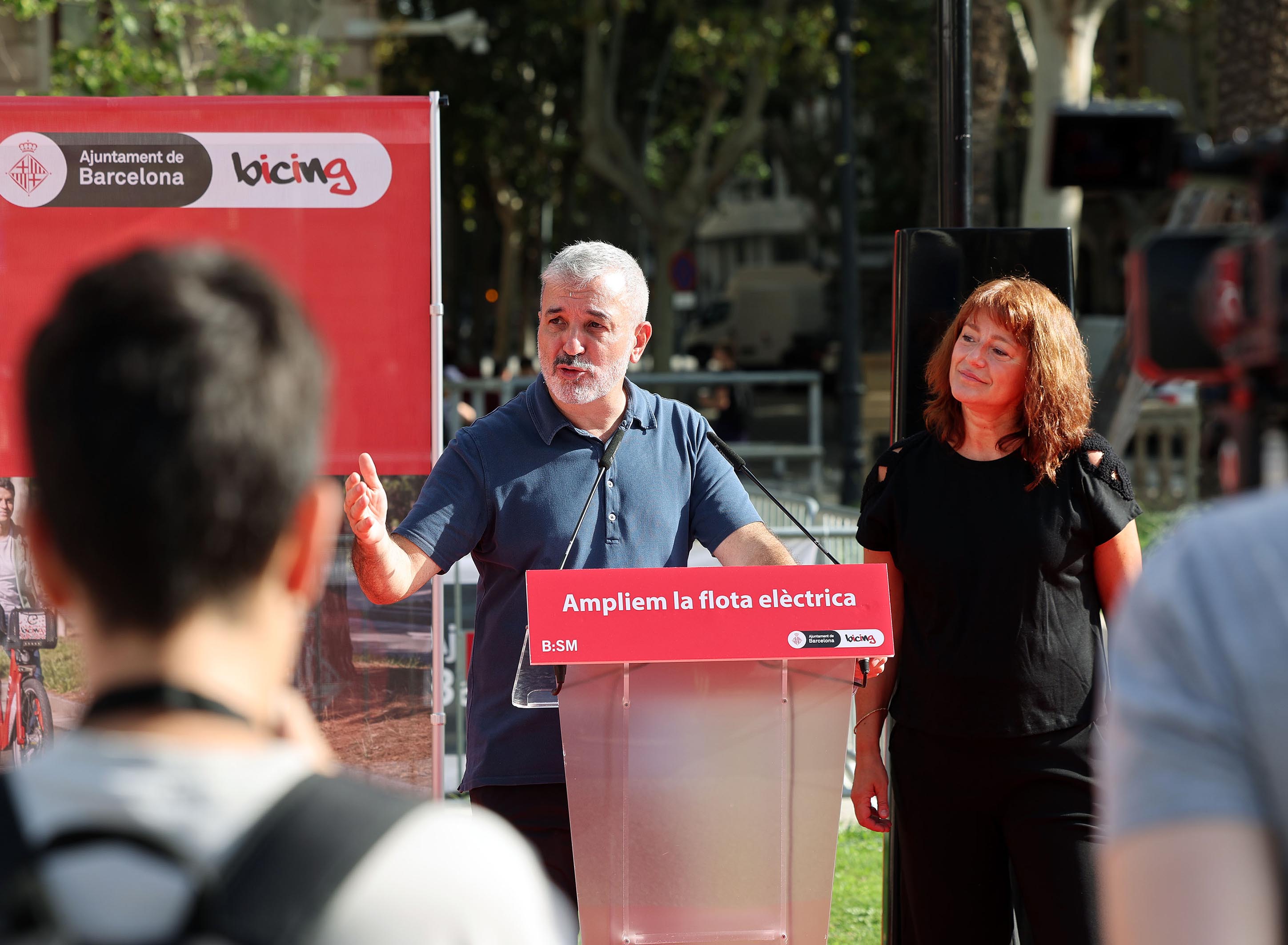
Bicing’s expanded electric fleet is now here. The city’s bike-sharing service added 500 new electric bikes at the end of the summer and is set to increase its overall fleet to 8,000 bikes, 5,000 of them electric, over the next year. 

The move comes in response to the growing demand for the Bicing service in recent years and will improve the experience of users, who increasingly opt for electric models thanks to the comfort they offer. Eight out of ten journeys are currently made with electric bikes, a change in trends that has been boosted by the success of Bicing’s hybrid network and the expansion of the service to the city’s mountain neighbourhoods.

Bicing journeys have increased by 40% in five years, surpassing 17.7 million

Bicing is one of the world’s leading bike-sharing services. In Europe, Barcelona is the city with the highest density of stations per square kilometre and the highest bicycle turnover rate. Users gave the service a rating of 7 out of 10 on Barcelona City Council’s latest Municipal Services Survey. 

Since the new Bicing service was launched at the start of 2019, the number of registered users has grown by 57%, rising from 102,000 to 160,000 by the end of this past September. 

In this same period, annual use of the service increased by 40%, surpassing 17.7 million journeys in 2023. This 2024 is expected to close out with over 18 million journeys made. 

Bicing recorded an average of 63,000 journeys a day from Mondays to Fridays in September, rising to 73,000 at some points. This was almost 7% higher than for the same period last year.

This unstoppable increase in both the number of users and the volume of usage demonstrates the success and consolidation of Bicing as one of the cornerstones for mobility in the city, offering a sustainable mobility option for many people in Barcelona. 

This steady growth has been possible thanks to the ongoing efforts to offer a quality service that adapts to the needs of its users. This commitment has made it possible not only to increase the number of stations and available bikes, but also to introduce electric bikes, an innovative move that responds to the demand for quicker and more comfortable journeys, as well as helping to reduce the city’s carbon footprint. 

New stations to improve connections and serve areas with the highest demand 

While increasing its fleet, Bicing is also adding more stations, prioritising areas where demand is highest and service in neighbourhoods where better connections are sought.

Of the 74 new stations planned, 6 are already in service in the Parc de Montjuïc, coming in addition to the 519 that were available: 

  • Avinguda de l’Estadi, 12
  • Avinguda de l’Estadi, 42
  • Carrer dels Tarongers – Avinguda Miramar
  • Carrer de Mandoni, 6 
  • Carrer de la França Xica, 4
  • Carrer del Marbre, 2

The Parc de Montjuïc will soon be getting two new stations on Passeig Olímpic and Carrer dels Montfar. The installation of the other 66 stations will start next year. 

The new stations will be located in the areas where demand is highest and will improve connectivity between neighbourhoods. 

  • Eixample: 16
  • Sants – Montjuïc: 15
  • Sarrià – Sant Gervasi: 12
  • Horta – Guinardó: 11
  • Sant Martí: 9
  • Gràcia: 5
  • Les Corts: 3
  • Nou Barris: 2
  • Sant Andreu: 1 

The budget for the additional 1,000 bikes and the installation of 74 new stations is 2,800,000 euros.

Intensive maintenance service that adapts to users’ needs  

The expansion of Bicing’s electric fleet and stations builds on the set of measures launched last year to improve the maintenance and availability of bicycles, particularly electric models, which are used 11 times a day on average. 

At that point 1,000 push bikes were converted to electric models and various improvements, such as the optimisation of battery charging and the upgrading of brakes, were conducted. There were some modifications to SMOU as well, reducing the time the app takes to update information on bicycles and racks available at stations. 

SMOU’s reading of QR codes was recently optimised to streamline the process of taking bikes, and a new feature was introduced that enables users to take bikes by entering the code from the lower part of squares. 

Similarly, a warning has been added to the SMOU app to advise Bicing subscribers that at certain rush hours, bike and rack space availability may be limited. Unlike conventional public transport, Bicing has no set routes or operating times, meaning the service cannot guarantee 100% availability for bikes and racks at all times. 

Bicing channels also provide other pieces of practical advice with the goal of guaranteeing a responsible, safe and efficient use of this service, which complements public transport. These recommendations include reserving bikes with SMOU whenever possible, checking the condition of the bike before starting a journey and reporting any incidents via the app. 

More electric bikes for the Bicing fleet
Read the note
Fecha de publicación
News or press release?
Press release
Etiqueta