Imagen destacada
Imatge
Cuerpo

Visitor numbers continue to rise with a 3% increase compared to 2023

Interest in educational activities also grew, attracting over 22,000 children, 20% more than the previous year  

During the year, the Zoo also made it possible to reintroduce over 500 animals from threatened species into their natural habitat 

Zoo de Barcelona closed out another year with record figures. In all, 841,142 people visited the facility in 2024. That figure represents a 3% rise compared to the previous year and is the highest in the last seven years. 

Last year also saw a significant increase in the number of participants in the activities organised for children and schools. The range of activities attracted 20% more people, with 22,670 children and young people taking part. They included workshops and school visits, activity camps, the STEAM Zoo organised by BSM and the Universitat Politècnica de Catalunya-BarcelonaTech, among other activities.

The response from families continued to be positive again last year. Activities such as the gymkhanas and competitions for autumn and Christmas, “The Zoo Elves” and the activities for the Nature Passport were among those that attracted large numbers of participants. The Zoo Club closed out the year with over 75,000 registered members.

The chair of BSM and First Deputy Mayor of Barcelona, Laia Bonet, noted that “these figures consolidate the upward trend of recent years and the positive reception from members of the public for the Zoo’s strategy to become a space in Barcelona where young and old connect with nature through knowledge, play and leisure, and get involved in preserving biodiversity”. 

Over 500 animals from threatened species reintroduced into their natural environment

As regards Zoo de Barcelona’s work to help conserve biodiversity, its participation in dozens of projects that make it possible to reintroduce endangered animals into the natural environment stands out. 

More specifically, over 500 animals born at the Zoo were reintroduced into their natural habitat in 2024. These included native species which are under threat, such as the Spanish toothcarp, the Majorcan midwife toad and the Montseny brook newt. The Zoo also took part in over a hundred conservation programmes outside of animals’ natural habitats, coordinated by the European Association of Zoos and Aquaria (EAZA).

Among the alliances that make these biodiversity conservation projects possible, it is worth noting the four-year agreement with the Balearic Islands Government for the conservation of protected wildlife. 

In the same vein, through the Zoo de Barcelona Foundation, the Zoo funded 37 research and conservation projects in 2024 linked with the preservation of biodiversity. 

The Zoo also published numerous scientific papers in international journals and collaborated with degree and master’s degree theses. This scientific research, teaching and orientation by specialists at the Zoo plays a leading part in its commitment as a role model in the sphere of biodiversity conservation. 

Water savings and a new adapted children’s play area

As for projects and initiatives launched in 2024, one that stands out is Barcelona Zoo’s participation in the project Life4Zoo: Water Resources Management in Visitor Attractions – Water Recirculation Technology, funded by the European Union through the LIFE project. Launched in the middle of the drought in Catalonia, this project aims to find solutions for optimising water use in zoos. It will allow Zoo de Barcelona to implement a pilot project for regenerating residual water at the facility. 

The children’s play area was also revamped this year. Located next to the Savannah of the Sahel, the area now offers a wide range of play options adapted to different ages and abilities, adding inclusive games and an accessible route for wheelchairs.



Life 4 zoo


Zoo de Barcelona closes out 2024 with over 840,000 visitors 
Read the note
Fecha de publicación
News or press release?
Press release
Etiqueta
Imagen destacada
Imatge
Cuerpo

The construction of a BSM car park at the Mercat del Peix, as part of the Ciutadella Knowledge Hub, has enabled the recovery of 40,000 m3 of sand, which will be used to replenish Sant Sebastià beach through a joint initiative between Port de Barcelona and BSM

The construction of the new Districlima cooling plant at Bogatell also involves the recovery of an additional 8,000 m3 of sand, which will be deposited on Llevant beach and in the dune area of Mar Bella beach

The recovery of sand during coastal works and its subsequent strategic distribution are measures that help safeguard the city's beaches and enhance their resilience against sea storms

These sand recovery and replenishment measures are aligned with the goals of the Climate Plan, the municipal government's roadmap, which includes a €1.8 billion investment to make Barcelona a more resilient and carbon-neutral city by 2030

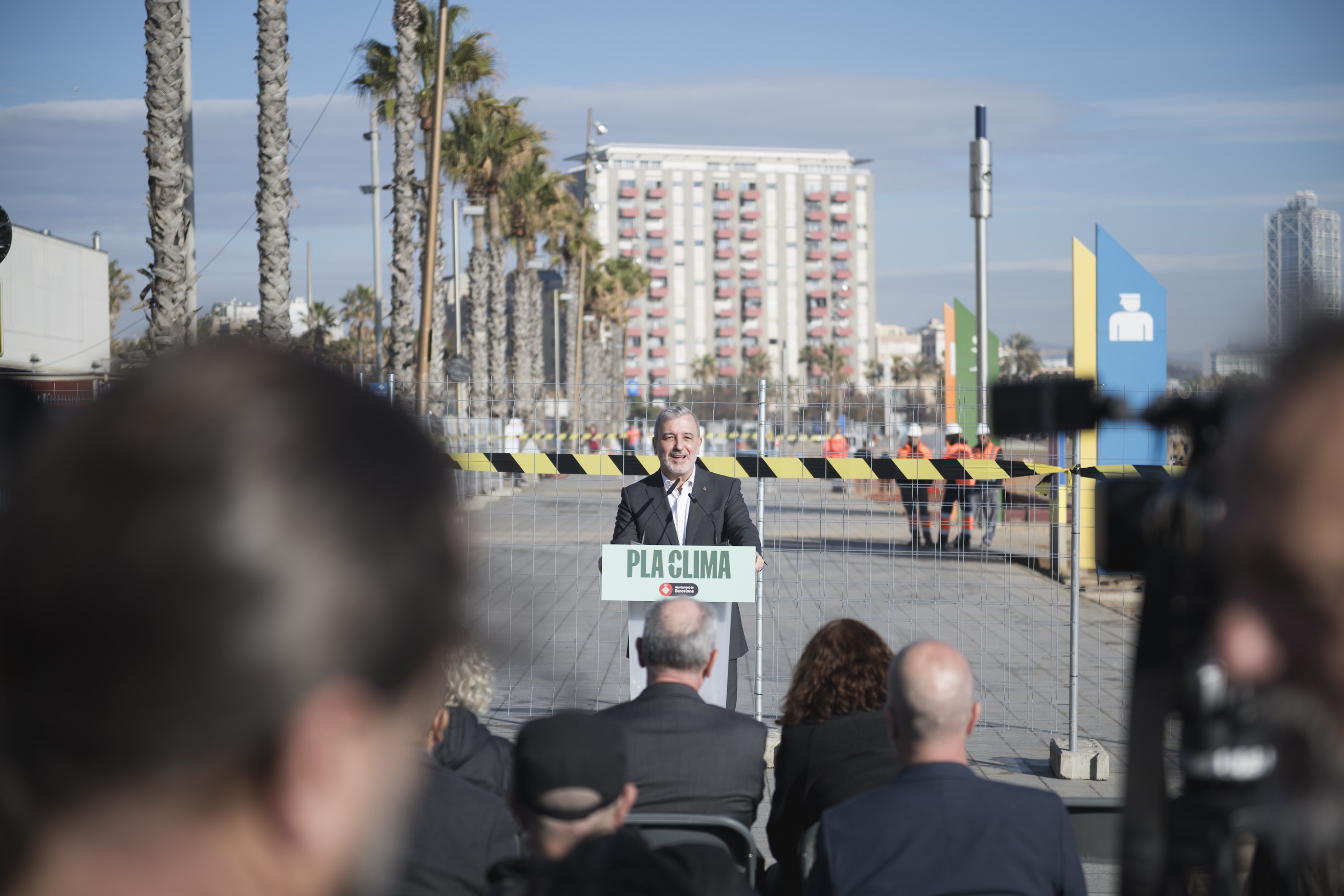
Three beaches in Barcelona will be replenished with 48,000 m3 of sand sourced from two projects on coastal land. First, the construction of the BSM car park at the old Mercat del Peix, as part of the Ciutadella Knowledge Hub, has yielded 40,000 m3 of sand. Meanwhile, the construction of the new Districlima cooling plant at Bogatell has extracted an additional 8,000 m3 of sand. The sand will be distributed across Sant Sebastià beach, a measure carried out by Port de Barcelona in collaboration with the City Council, as well as Llevant beach and Mar Bella beach. 

The construction works for the Mercat del Peix, one of the five strategic projects that will make up the Ciutadella Knowledge Hub, have uncovered large amounts of high-quality sand, particularly during the excavation process for the future BSM Ciutadella Knowledge Hub car park. This car park will be situated directly beneath the planned research and innovation complex, which is set to be built on the site of the former market, between the streets Wellington, Villena, Ramon Trias Fargas streets, and Avinguda Icària. 

This sand, of high quality, is commonly found beneath the Barcelona coastline and originates from the sedimentary deposits of the Quaternary period. The sand, having passed all quality tests and analyses, will be deposited on Sant Sebastià beach, which is protected by the Sant Sebastià breakwater. This structure, extended by Port de Barcelona, helps prevent sand loss from the beach.

The proximity of the car park construction site to the beach, about 2 kilometres, will also mitigate the environmental impact of the transport. The project is expected to take around two months and will affect part of the promenade and the bike lane.

The second project which has also enabled the extraction of high-quality sand is the new Districlima cooling plant, currently under construction near Bogatell beach, which will expand the existing heating and cooling network. This type of infrastructure supports the city's progress in the energy transition, positioning it as a key producer and manager of its own resources. It allows for the use of local energy resources, waste recovery, and the use of renewable and residual energy sources. In addition, for these kinds of infrastructure, proximity between the energy generation source and consumption centres represents a major advantage in planning energy self-sufficiency in urban spaces. 

This project has recovered 8,000 m3 of sand, which will mainly be placed on Llevant beach, one of the areas most affected by marine storms in the city. Additionally, sand will be added to the dune area of Mar Bella beach, one of the critical points for beach erosion. This project is expected to last approximately one month.

The sand on the beaches plays a clear role in protecting the coastline from marine storms. Municipal teams have calculated that the city's beaches lose around 30,000 m3 of sand annually, and certain areas of the beach lack sufficient sand to provide adequate protection for the coastline as well as the infrastructure, such as drainage systems, the promenade, lifeguard towers, showers, and furniture.

Measures to progress towards the goals of the Climate Plan 

Both the Mercat del Peix and Districlima projects are initiatives that will contribute to achieving the goals outlined in the Climate Plan, particularly in terms of sustainable mobility and the energy transition.

»    A new car park model that meets the evolving needs of the public

The new BSM Ciutadella Knowledge Hub car park, spanning over 6,000 m2, will be the first to be designed as a genuine mobility hub, both in terms of the services it will offer and its architecture and design. This new parking concept goes far beyond vehicle parking, integrating value-added services that respond to new habits and social needs, such as online shopping, electric mobility, and shared mobility.

At the level of construction, this new conceptualisation involves a much more open definition of space, with flexible-use areas and higher ceilings that allow the entry of all types of vehicles.

The construction of the BSM Ciutadella Knowledge Hub car park will involve a total investment of €22.2 million, with €10.7 million provided directly by BSM, and the remaining amount provided by other participating operators.  

»    Sustainability, one of BSM's core lines of action

Sustainability is one of BSM's global strategic lines. In accordance with its aim of making Barcelona more sustainable, the company takes an environmental, social and good governance approach to all its experiences and activities.

This commitment can be seen in its promotion of actions designed to reduce emissions and the use of resources, and also have a positive social impact, as well as in the sustainable management of all its premises.

BSM has received many seals and certificates for its commitment to sustainability. In the field of responsible tourism, the Anella Olímpica, Park Güell, Barcelona Zoo and Tibidabo have the Biosphere certificate, which is awarded to companies committed to environmentally friendly management models that also ensure a social return on their activities. 

Furthermore, BSM's activities are backed by its SGE21 certification, which includes environmental, social and good governance aspects; ISO 14001 certification, which validates environmental management; and the certificate awarded under the European EMAS regulation on eco-management and auditing.

»    Third Districlima plant, reinforcing the city’s heating and cooling networks

The new Districlima plant, with an investment of €44.4 million, is located in the Poblenou district. This network, which currently has two operational plants, one located at the Fòrum and the other on Carrer Tànger, helps prevent the emission of approximately 26,000 tonnes of CO2 into the atmosphere each year.

Districlima is a public-private company founded in 2002 to introduce, for the first time in Spain, an urban network for the distribution of heating and cooling, used for heating, refrigeration, and domestic hot water. In 2005, the network was extended to the 22@ technological district, and the construction of a third plant has now commenced. 

Heating and cooling networks offer significant energy efficiency improvements compared to individual systems. It is an energy-efficient system that also saves water, reduces noise, lowers vibrations, minimises CO2 emissions, and cuts maintenance costs.

Connecting new buildings to these networks is beneficial for climate and environmental purposes, as it is seen as a preferable alternative to other cooling and heating systems. The city currently features the Districlima network, serving the Forum and 22@ areas, alongside the Ecoenergies network, which operates in the Marina del Prat Vermell area and includes a planned extension in La Sagrera.

Replenishment of almost 50,000 m3 of sand to safeguard the city's beaches
Read the note
Fecha de publicación
News or press release?
Press release
Etiqueta
Imagen destacada
Imatge
Cuerpo

The free outdoor performance will take place at the Moll de Mestral wharf on Sunday, 26 January, at 12.30 pm

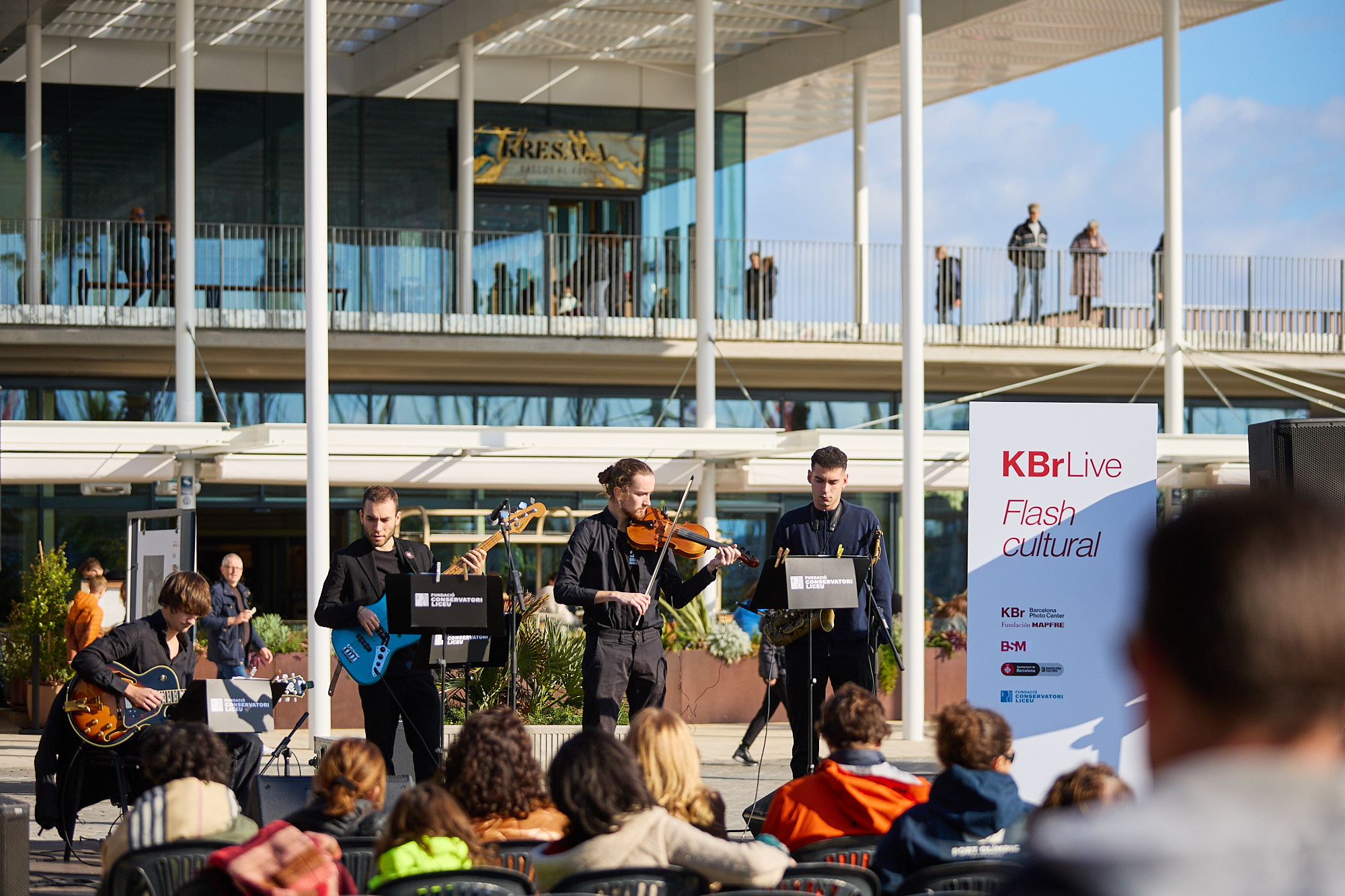
A student ensemble from the Conservatori Liceu will be performing a repertoire of French jazz inspired by the exhibition Henri Cartier-Bresson. Watch! Watch! Watch! at the KBr Fundació MAPFRE

The Port Olímpic is hosting a new concert in the ‘KBr Live’ series on Sunday, 26 January. The cultural programme is the result of the partnership between Port Olímpic, Fundació MAPFRE and the Barcelona Institute of Culture (ICUB) to incorporate photography and performing arts into the programme of family events at the Port.

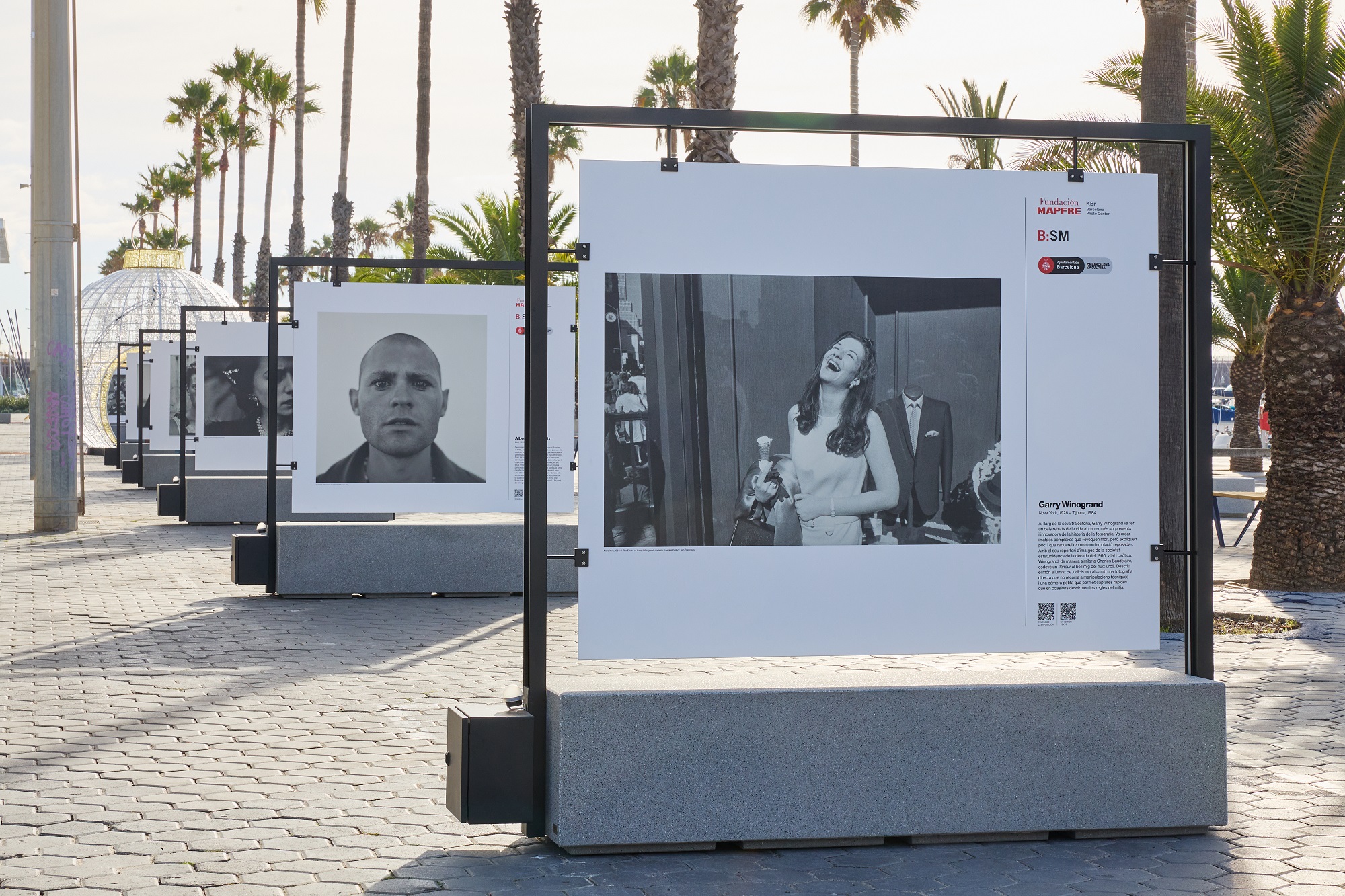
The concert is at the Moll de Mestral wharf at 12.30 pm and is being offered by the Fundació Conservatori Liceu. The concert will feature pieces inspired by French jazz from the mid-20th century, tying in with the focus of the exhibition Henri Cartier-Bresson. Watch! Watch! Watch!, which is on display until 26 January 2025 at the KBr Fundació MAPFRE photography centre.

As part of this collaboration with Fundació Conservatori Liceu, the Jazz and Modern Music department of the musical institution is bringing some of its most outstanding students to perform a repertoire inspired by French jazz from the mid-20th century, with special attention to Jazz Manouche, a genuinely French style associated with exceptional musicians such as Django Reinhardt, Stéphane Grappelli and Michel Legrand.

The ‘KBr Live’ programme is set to run throughout the year, offering a series of music and dance activities connected to events at the KBr photography centre and the Fundació MAPFRE Collections, following a recent agreement between Fundació MAPFRE, Port Olímpic and the ICUB to offer photography exhibitions, music, dance and photography-themed family activities at the Port Olímpic. 

Port Olímpic to host a concert by the Conservatori del Liceu as part of the “KBr Live” programme 
Read the note
Fecha de publicación
News or press release?
Press release
Etiqueta
Imagen destacada
Imatge
Cuerpo

Major tours from national and international artists once again included concerts at the Anella Olímpica last year, consolidating Barcelona as leading European city for live music

The Palau Sant Jordi and the Sant Jordi Club accounted for three quarters of the programme on the site, with nearly a million concert-goers between them 

2024 also saw the Estadi Olímpic become part of The Venue Barcelona, the ecosystem for innovative companies in music, sport and major events

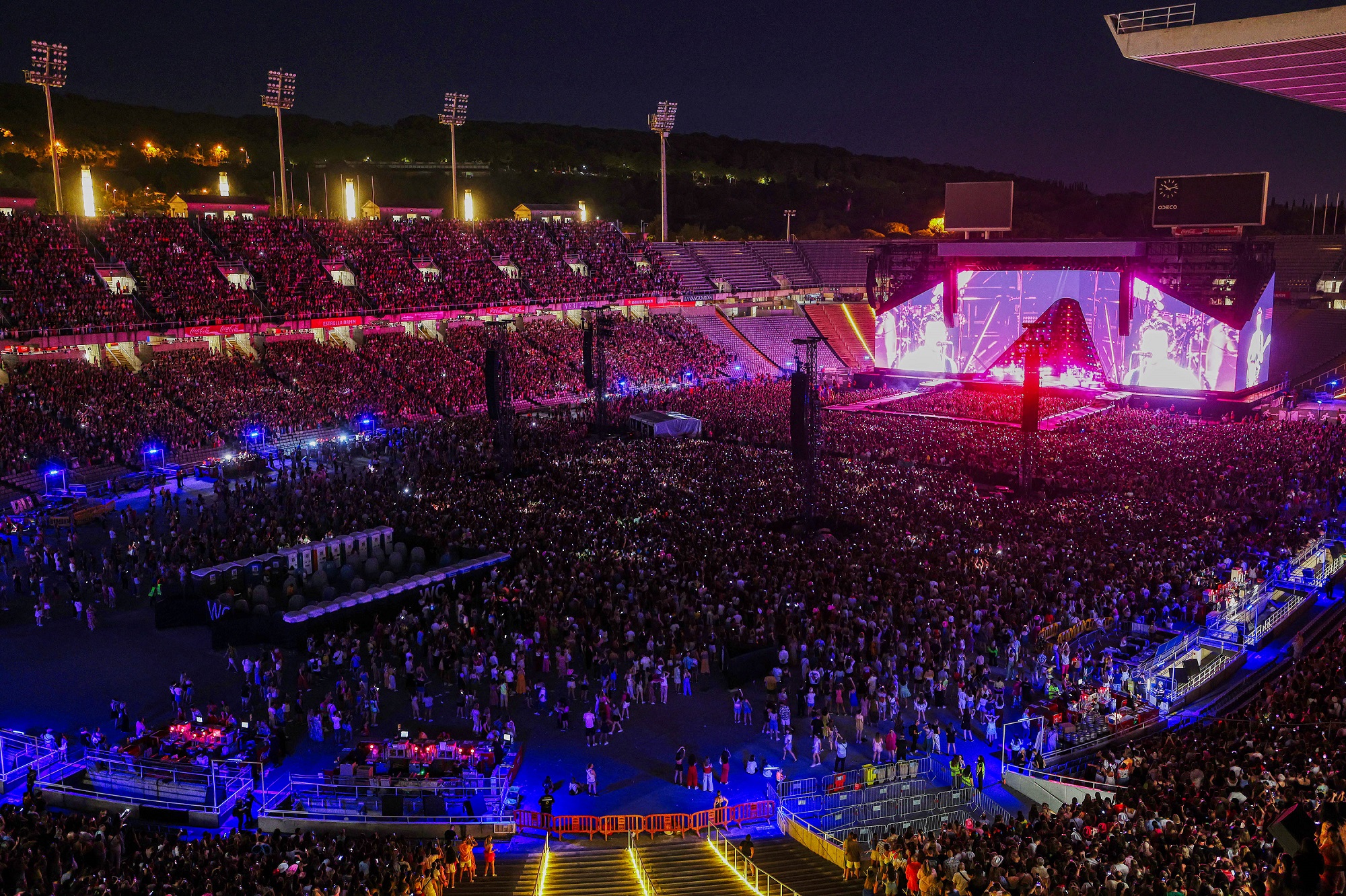
The Anella Olímpica (Olympic Ring) closed out another year with record figures. The Palau Sant Jordi, the Sant Jordi Club and the Estadi Olímpic Lluís Companys had nearly 2.2 million visitors and hosted 172 events, consolidating the good results from 2023.  

For the chair of BSM and First Deputy Mayor of Barcelona City Council, Laia Bonet, “last year’s figures once again show the appeal of the Anella Olímpica for international music, sports and entertainment circuits”. Bonet stressed the facility's key contribution in consolidating Barcelona as a leading city for experiencing live music, as well as other large-format events: “The versatility of the Anella Olímpica facilities and the expertise accumulated in organising major events make this BSM-managed municipal facility an essential stop for large national and international tours, as well as for important sports and entertainment events”, she said.  

By type, concerts are still the most common event at the complex, accounting for nearly 60% of its programme. There were 99 concerts in all last year, attracting nearly a million concert-goers.
By venue, the Palau Sant Jordi hosted the most events, followed by the Sant Jordi Club. Between them, the two venues hosted 76% of the programme.      

Besides concerts, over the course of the year the Anella Olímpica hosted sports events such as the Trial Indoor Barcelona and the Premier Padel, plus other entertainment events such as Disney on Ice, Vine a l’Estadi and 48H Open House Barcelona, among others. 

Between concerts and the rest of the programme, the Anella Olímpica received over 1.1 million visitors. On top of this figure, we should add the spectators that attended the 25 matches played by FC Barcelona.    

Varied music and entertainment programme catering for all audiences 

The healthy figures for 2024 once again demonstrated the Anella Olímpica’s capacity to adapt to new trends in music and entertainment. This effort helps to make the complex a meeting space for a variety of audiences of all ages, year after year. 

As a result of this versatility, and also thanks to the alliances with the main promoters in this sector, 2024 saw tour concerts by international artists such as Pearl Jam, Bruce Springsteen, Aventura, Rammstein and Luis Miguel. 

On a national level, the stages at the complex also hosted concerts by the likes of Estopa, Morad, The Tyets, Bad Gyal, Saiko, Joan Dausà and many others. 

The average age of spectators attending events at the Anella Olímpica is currently 39. By origin, nearly 90% of visitors live in Catalonia, 8% in other parts of Spain and the other 5% in other countries. 

The Venue, meeting point for innovation in music, sport and events

Last year also saw The Venue Barcelona become part of the Anella Olímpica. This centre for innovative companies in the music, sport and major events’ sectors was launched by BSM in conjunction with the Barcelona Institute of Sports (IBE) and is based at the Estadi Olímpic. 

The Venue is run by a consortium of companies which, in recent years, have successfully managed projects in areas such as the design and promotion of innovation centres, management of start-up acceleration programmes and developing results-oriented marketing solutions to position companies and businesses in their growth stage.

The centre currently has 20 members representing more than 450 companies, firmly establishing it as a leader in innovation for the music, sport and events’ sectors.

The Anella Olímpica closes out 2024 with 2.2 million visitors and over 170 events
Read the note
Fecha de publicación
News or press release?
Press release
Etiqueta
Imagen destacada
Imatge
Cuerpo

An access point will be created on Carrer de Wellington, providing a link between Ciutat Vella, Vila Olímpica and Passeig dels Til·lers, as well as the facilities of the future Ciutadella of Knowledge

This initiative will transform Parc de la Ciutadella into a more accessible, walkable, and permeable space

The new entrance will further open up the Zoo and integrate it into the city, making it the heart of the Ciutadella of Knowledge aimed at children

The project is part of the Ciutadella of Knowledge Strategy, aimed at transforming the park and its surroundings into a leading hub for knowledge, outreach, research, and innovation in Europe

A step forward in the process of improving Parc de la Ciutadella to make it more accessible, walkable, and permeable. A new access point will link Carrer de Wellington with Passeig de Picasso and Passeig dels Til·lers within the park itself. The project addresses the city's need to connect the Ciutat Vella with the Víla Olímpica/Nova Icària neighbourhood, providing the latter with direct access to the main green space in the city centre, benefiting thousands of residents who currently lack easy access. It will also help reinforce the Carbonera-Ciutadella-Avinguda Icària axis as a civic, cultural, and scientific connector between Ciutat Vella and Sant Martí, creating an alternative inland route to the seafront one.

This initiative will also connect and link the various facilities that are part of the Ciutadella of Knowledge scientific ecosystem, transforming the park and its surroundings into one of Europe’s leading knowledge, outreach, research, and innovation hubs.

The new access will be an avenue within the park, stretching from the intersection of Carrer de Wellington and Carrer de Villena to Passeig de Picasso. This will result in an avenue that completes the park's internal circulation network, running vertically from the mountain to the sea via Passeig dels Til·lers, and horizontally from Llobregat to Besòs, linking Passeig de Picasso with Carrer de Wellington. In total, 26,000 m2 of gravel and other permeable materials already found in Parc de la Ciutadella. It will be at least 20 metres wide, preserving and showcasing the existing monumental trees.

The access will provide a green link between the five key strategic projects that form the Ciutadella of Knowledge, connecting the Ciutadella and Carles I parks. It will also improve connectivity between the Vila Olímpica and Poblenou neighbourhoods, and those of Sant Pere, Santa Caterina and La Ribera. In addition, it will make it possible for the Ciutadella-Vila Olímpica metro station and the tramway to be included as public transport access options to the park. 

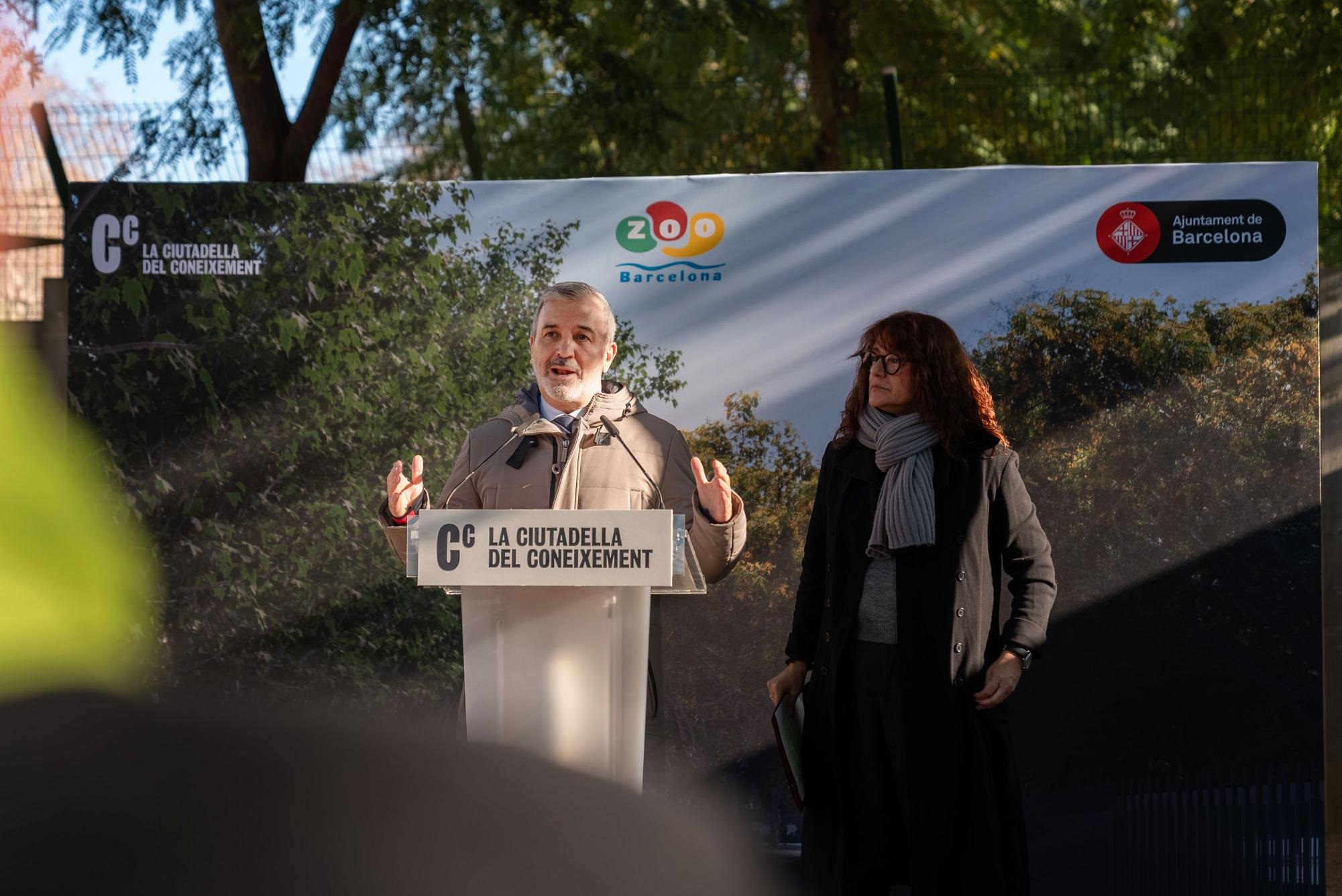
Mayor Jaume Collboni stressed the importance of a project that will enable “the creation of a biodiversity avenue that will transform Ciutadella and the relationship between the neighbourhoods and facilities on either side of the park. With the new avenue, we will achieve a more permeable, walkable, and accessible Ciutadella, as well as a Zoo that is more open to the city and better integrated into the surrounding park”. Collboni also highlighted the significance of the project, stating that it will “connect and link the various facilities that are part of the Ciutadella of Knowledge scientific ecosystem, transforming the park and its surroundings into a knowledge, outreach, research, and innovation hub”.

The intervention is outlined in the Ciutadella Master Plan drawn up by Barcelona City Council in 2023, which is expected to have a very positive impact on enhancing accessibility to the park and its buildings.

The new access will further open up the Zoo and integrate it into the city. Covering an area of 13 hectares, Zoo de Barcelona is the strategic project of the Ciutadella of Knowledge aimed at children.

The Zoo is undergoing a profound transformation that takes into account the effects of climate change and the loss of biodiversity on a global scale. Guided by animal welfare and sustainability criteria, the Zoo is working to become a space where both children and adults can connect with nature through educational, playful, and enjoyable experiences, while also getting involved in biodiversity conservation. This goal complements the Zoo's role as a driver of global partnerships for the restoration of habitats and the protection of endangered species.

In this context, the Zoo also aims to highlight its role as a park and green space within the city. It is, and will increasingly be, a vibrant space for children's activities; as well as a place for leisurely walks, outdoors, in a privileged natural setting.

The project consists of two areas. The first area (depicted in dark blue on the attached map) pertains to the Zoo and includes the new access from Carrer de Wellington, covering an area of 16,469 m2. The second area (depicted in light blue on the map) covers the pathway connecting the Av. Marquès d'Argentera access to Plaça Joan Fiveller. It spans 9,218 m2 and includes the gradual reduction of street-level parking spaces. The solution involves removing the existing paving to improve permeability and complete the water cycle. Additionally, the lighting will be improved, and tree planting will be intensified in this area.

The new access on Carrer Wellington and the associated avenue will involve a total investment of 13 million euros. The first phase, corresponding to the city level, will involve an investment of around 9 million euros.

According to the planned timeline, the drafting of the final project will begin this January, with the goal of tendering the works next autumn and starting construction in the first quarter of 2026. The works are expected to last approximately one year.

Recovery of a historic access

This new access is a long-awaited and necessary urban intervention, with several proposed projects over the past years, the latest one dating back to 2013. The Carrer de Wellington access was, in fact, included in the original park project design by Josep Fontseré and served as a key structural element and a transversal connector in the various changes made to the park from its completion until the 1950s. During Mayor Porcioles' tenure, this access was removed and repurposed as the entrance to the Zoo. Therefore, a historic access to Ciutadella Park is being restored.

Guaranteed mobility within the Zoo de Barcelona while the Wellington entrance is being revamped

The new access includes an underground passage within the Zoo, fully naturalised, which will blend with the rest of the Zoo through a series of ramps, stairs, and green embankments. These will integrate the existing trees and new vegetation, ensuring continuity and enhancing the visitor experience.

Renovation of Parc de la Ciutadella

This new access is part of the ongoing improvement and renovation works at Parc de la Ciutadella, which have a budget of 8.9 million euros and will continue throughout 2025. These works will improve drainage, paving, tree pits, curbs, the irrigation system and also the fountains in the park. They will be carried out in four areas:

  • Passeig Joaquim Renart, which runs parallel to Passeig de Pujades.
  • Josep Fontseré Gardens and access points, located just behind the Umbracle shade house, parallel to Passeig de Picasso.
  • Passeig dels Til·lers, the section of the access from Av. Marquès de l'Argentera leading to Plaça Joan Fiveller.
  • Central sector of the park. Once these works are completed, by 2026, the structural rehabilitation of the Umbracle shade house will commence. This building, listed as a Cultural Asset of Local Interest, forms part of the museum and scientific programme designed by Josep Fontseré i Mestres, alongside the Hivernacle greenhouse and the Martorell Exhibition Centre. This new intervention is in addition to those already carried out on the buildings of the Martorell Exhibition Centre, the Hivernacle, the façade of the secondary school Institut Verdaguer, and the Plaça d'Armes, all completed in recent years.

Ciutadella of Knowledge

This new step will also serve to connect the various facilities that form part of the Ciutadella of Knowledge, which includes five strategic projects with a total associated investment of €290 million. This includes the new research complex at the old fish market, Mercat del Peix, featuring three buildings currently under construction; the development of a CSIC Centre for Biosciences; the establishment of an axis comprising four facilities of significant heritage and scientific value (the Hivernacle greenhouse, the Martorell Exhibition Centre, the Umbracle shade house, and the Three Dragons Castle); the construction of Barcelona’s Central Urban Library; and the promotion and expansion of scientific and educational activities at Zoo de Barcelona.

By the end of this term, 80% of the project is expected to be completed, and within the next 10 years, the Ciutadella of Knowledge will become an internationally significant reality, bringing together nearly 2,000 researchers.

The aim is to promote scientific knowledge and research in areas such as precision medicine, biodiversity and evolutionary biology, planetary welfare, molecular biology, biomedicine, the diversity and evolution of the natural world, animal welfare and indigenous wildlife management.

The Ciutadella of Knowledge is a project led by Barcelona City Council in collaboration with the Catalan Government, the Spanish Ministry of Science, Innovation and Universities, Pompeu Fabra University, the Autonomous University of Barcelona, the University of Barcelona, the Spanish National Research Council, the Pasqual Maragall Foundation, the Barcelona Institute of Science and Technology, and the Barcelona Biomedical Research Park.

Parc de la Ciutadella to get a new entrance, linking Passeig de Picasso with Vila Olímpica
Read the note
Fecha de publicación
News or press release?
Press release
Etiqueta
Imagen destacada
Imatge
Cuerpo

The Aparcaments BSM Network of car parks will feature 13 battery swapping stations for electric cars and motorbikes that take Silence batteries 

This strengthens the pilot project launched by BSM and Silence, ACCIONA’s electric vehicle brand, to promote a more sustainable and planned-out approach to urban mobility

BSM and Silence are furthering their partnership to promote sustainable mobility with an agreement that will consolidate and expand the availability of battery-swapping stations in the Aparcaments BSM Network, the city’s largest car park network with a total of 43 sites. 

The Aparcaments BSM Network is deepening its commitment to transforming car parks into service hubs that go beyond vehicle parking and adapt to residents’ new habits and needs. 

The five-year agreement signed with Silence, ACCIONA’s electric vehicle brand, will triple the current number of battery-swapping stations at Aparcaments BSM car parks, increasing from four to 13 stations. These batteries are exclusively for electric cars and motorbikes that take Silence batteries. 

Specifically, the four battery-swapping stations launched in 2023 as part of a pilot project will be reinforced, and nine more will be added in early 2025.  

The new battery-swapping stations will be located at the BSM Marquès de Mulhacén, BSM Passeig Maragall, BSM Tanatori les Corts, BSM Plaça del Fòrum, BSM Sant Genís, BSM Rambla Poblenou, BSM Avinguda Gaudí, BSM Mitre-Putxet, and BSM Litoral Port car parks, joining the four car parks that already have one (BMS Cotxeres de Sarrià, BSM Plaça Navas, BMS Gràcia Motos, and BMS Illa Borbó).

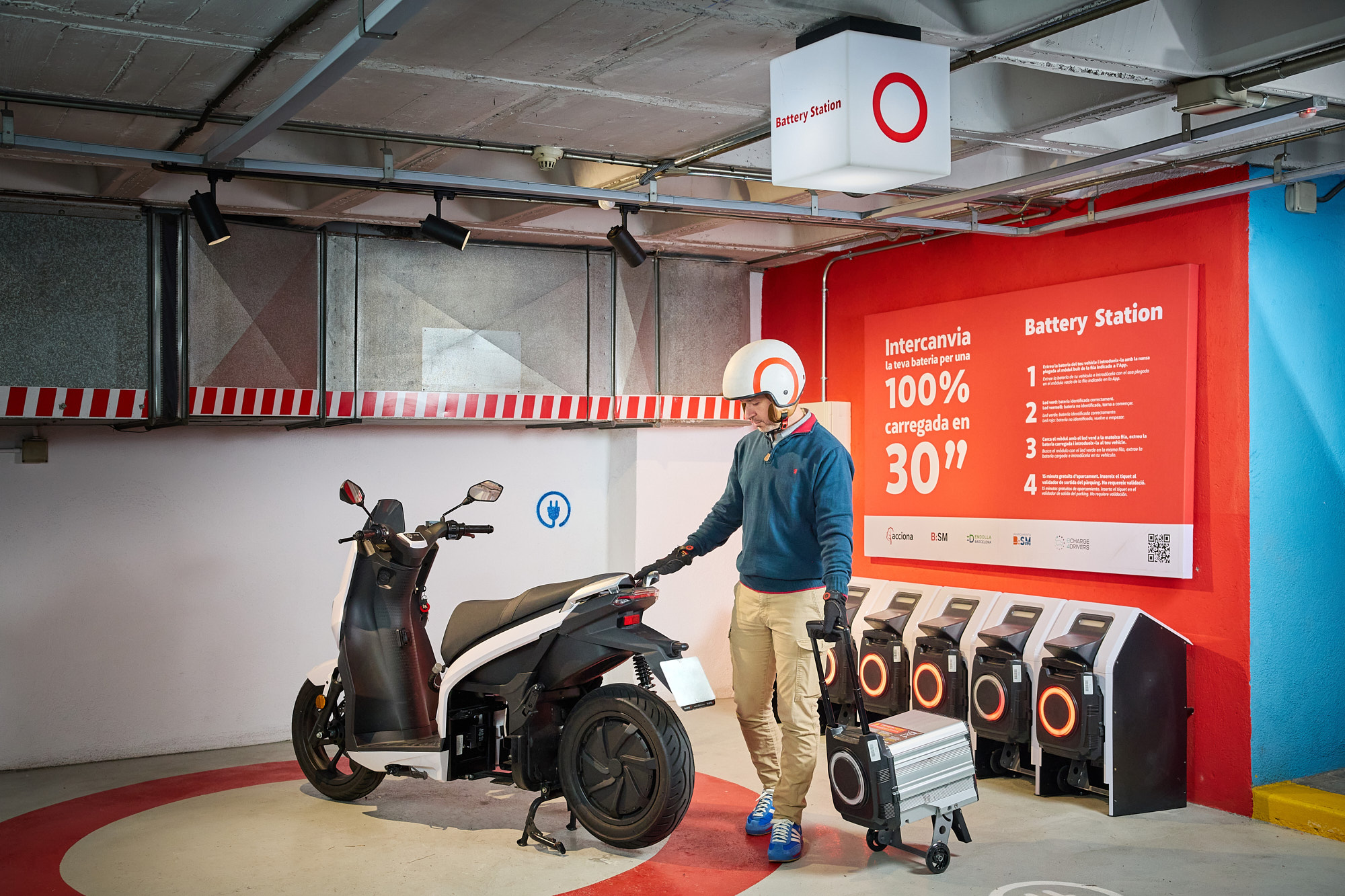
At these battery-swapping stations, users who have signed up for Silence’s shared battery system can take a charged battery and leave a depleted one, saving charging waiting time. The Silence app, Battery Station, can be used to find and reserve batteries.  

‘This agreement is a step further in transforming Aparcaments BSM into mobility service centres that adapt to and address residents’ new habits and needs,’ says Laia Bonet, first deputy mayor and president of BSM. ‘The agreement with Silence is also a good example of how public-private partnerships help tackle some of the challenges facing e-mobility, such as reducing charging times.’ 

The head of the Aparcaments BSM Division, Mireia Coma, welcomes the opportunity to carry out a pilot project with Silence. ‘A year on, we have found it to be a win-win for both parties,’ she says. ‘The use of the battery-swapping stations has steadily increased, enabling the establishment of a long-term agreement between Aparcaments BSM and Silence to expand the service to nine more car parks, bringing sustainable mobility options to as many people as possible.’ 

‘The locations offered by Aparcaments B:SM are unbeatable for users of battery-swapping stations in Barcelona,’ says Pepe Martí, head of Battery as a Service at Silence, who also highlights ‘the convenience of the service facilities, as well as BSM’s eagerness to work together to provide the best solution for our clients.’

Usage has quadrupled in just over a year

This agreement follows the success of the pilot project launched by BSM and Silence, which enabled the testing and evaluation of these battery-swapping stations within the Aparcaments BSM Network. 
In just over a year, the four battery-swapping stations tested have recorded more than 9,500 uses, increasing from an average of 7 daily uses in the first few months to over 25 daily uses in recent months. This exponential growth demonstrates the public’s interest in electric vehicles, particularly in this battery subscription system. 

Aparcaments BSM, leading the way in new urban mobility 

The aim of BSM is to improve people’s quality of life by creating positive experiences to build a healthy and pioneering Barcelona. One of its goals is to contribute to the shift towards a more sustainable, planned-out, connected and shared approach to mobility. 

The company is currently in the process of gradually transforming the car parks in its network into spaces that go beyond vehicle parking to include new urban mobility services and solutions, always with users in mind. 

These changes, all of which are based on digitalisation and the use of new technology, reflect new social habits and needs related to the transition to e-mobility and the expansion of new forms of personal mobility. 
 

BSM and Silence strengthen their partnership and expand the availability of battery-swapping stations at car parks
Read the note
Fecha de publicación
News or press release?
Press release
Imagen destacada
Imatge
Cuerpo

Yoyo arrived at the Zoo de Barcelona in 2009 and is believed to have lived for 54 years, far exceeding the life expectancy of African elephants living under human care 

She was a friendly yet strong-willed animal who also served as a role model and caretaker for the other elephants in the group, Susi and Bully

The elephant was part of the group of animals housed at the Zoo de Barcelona as a result of an intervention by the authorities 

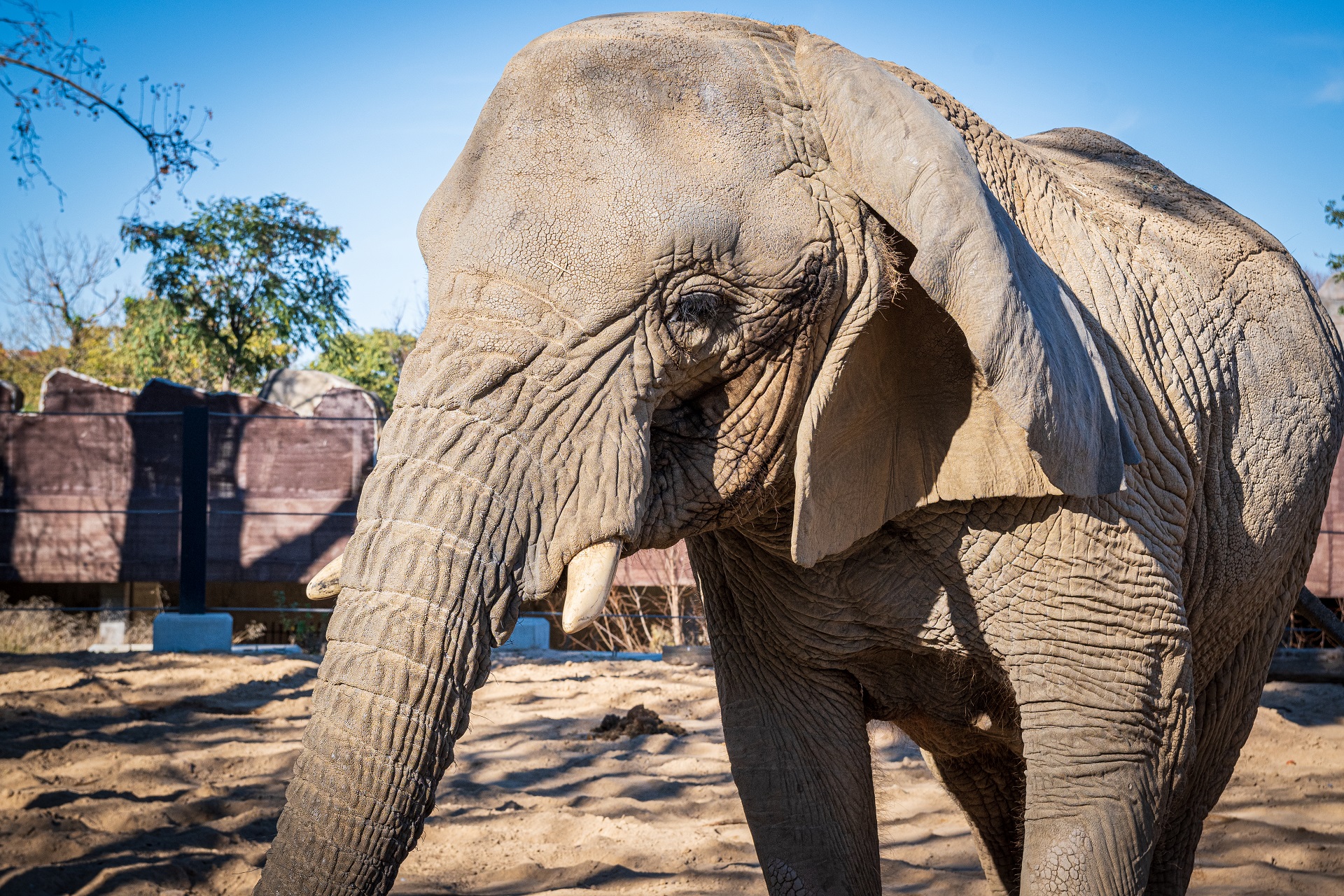
The Zoo de Barcelona has lost one of its most beloved residents, the African elephant Yoyo. Although her exact date of birth is unknown, she is believed to have been over 54 years old, far exceeding the life expectancy of this species under human care, which is around 39 years. According to existing records, she was the oldest African elephant in the world.

Yoyo’s health had deteriorated in recent weeks due to issues related to her advanced age. This situation worsened and could not be reversed despite the efforts and care provided by the veterinary team and keepers at Zoo de Barcelona. 

Now, the Zoo’s technical team, together with staff from the Veterinary Pathology Diagnostic Service at the Autonomous University of Barcelona, will follow the established protocol for such cases and share all the information with the European Association of Zoos and Aquaria (EAZA) conservation programme, of which Zoo de Barcelona is a member. 

Zoo de Barcelona is also providing special attention to Susi and Bully, the other two elephants who lived with Yoyo. Together, they formed a close-knit group.

First Deputy Mayor and BSM President Laia Bonet expresses her condolences and highlights ‘Zoo de Barcelona's role as an international leader in the care and welfare of elderly elephants, as well as its work in conserving this highly endangered species. Yoyo received the utmost attention at all times from Zoo staff, who improved her wellbeing by providing the care she needed.’ 

‘The Zoo de Barcelona family and the entire team of professionals will always remember her as an endearing elephant, strong-willed, yet nurturing and a role model for her companions, Susi and Bully,’ says Antoni Alarcon, the director of the Zoo de Barcelona. ‘She was deeply loved by visitors and all of us.’ 

Zoo de Barcelona's role as a sanctuary for rescued animals

Yoyo was part of the group of animals housed at the Zoo de Barcelona as a result of an intervention by the authorities. For over three decades, the Zoo, as a member of the Convention on International Trade in Endangered Species of Wild Fauna and Flora (CITES), has been carrying out this work in partnership with the Ministry for the Ecological Transition. 

The expertise of the Zoo staff and its CITES affiliation make it an ideal facility for housing animals rescued by the authorities, whether due to illegal trade or other circumstances, as in Yoyo’s case.

The elephant arrived at the Zoo in 2009 following an intervention by the Government of Catalonia at the former RioLeón Safari. Before that, she had been in a circus, which left her with physical and psychological injuries that required extensive dedication and specialised care from Zoo staff. Over time, these injuries improved, as did the elephant’s demeanour.

Yoyo lived with two other elderly elephants, Susi and Bully, who had arrived at the Zoo under similar circumstances. The three were an inseparable group. The Zoo team supported them by strengthening their social skills and carefully timing their integration. 

The Sahel-Savannah Space, the elephant sanctuary at Zoo de Barcelona  

In 2013, Zoo de Barcelona moved the elephants to a new space replicating the Sahel savannah. This space was created using principles that promote animal welfare. The Sahel-Savannah area features, for instance, eight-meter-high feeding stations, allowing the elephants to forage much in the way they would in the wild. The space includes natural substrates, a mud wallow, branches, and freely accessible climate-controlled shelter facilities with natural light.  
 

Yoyo, the world’s oldest elephant, dies
Read the note
Fecha de publicación
News or press release?
Press release
Imagen destacada
Imatge
Cuerpo

On the weekend of 14th and 15th of December, grandparents can visit Tibidabo with their grandchildren under 16 for free  

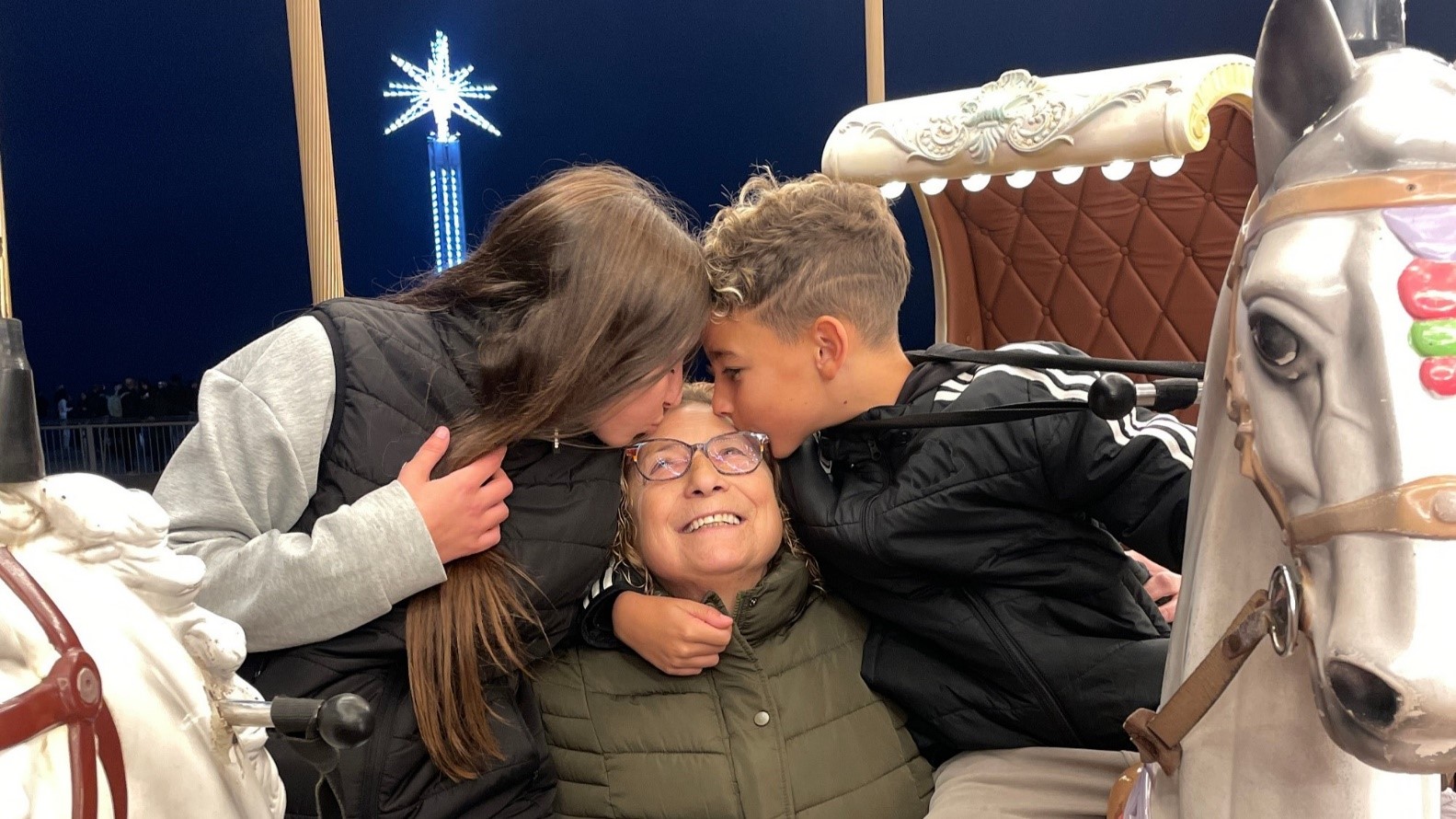
On 14th and 15th of December, all grandparents are invited to an unforgettable weekend at Parc d'Atraccions Tibidabo, with their grandchildren, free of charge. Now in its tenth year, TibidAvis is an opportunity for the oldest and youngest members of the family to enjoy a unique experience at the park.

In recognition of their crucial role in family life, all grandparents and up to two grandchildren under the age of 16 can enjoy free entry to the park throughout the weekend. To take advantage of this offer, visitors must show their ID at the Tibidabo ticket offices, the Tibidabo Store or the Aparcaments B:SM Sant Genís-Vall d’Hebron car park. Admission is also free for anyone over 60.

Thanks to this initiative, which is part of Tibidabo’s commitment to families and celebrates the key role of grandparents in helping parents achieve a work-life balance and in sharing love and wisdom, grandparents can enjoy a day of Christmas magic and fun with the youngest members of the family.

Tibidabo celebrates Christmas with a magnificent tree, an ice rink and new shows

Tibidabo’s Christmas programme will run until 5th of January. In addition to the decorations and the 10-metre Christmas tree to welcome all visitors, Tibidabo has something in store for everyone.

Plaça del Somnis will once again host a 200 m2 synthetic ice rink where, as well as skating, visitors can enjoy the dance show The Nutcracker on Ice, an artistic adaptation of Tchaikovsky’s ballet for all audiences, every afternoon.

The rink is included in the Tibidabo admission price and can also be visited separately with a ticket costing 5 euros.

During the festive season, visitors can also enjoy new shows and events on the park’s rides. Dididado – the park’s 4D cinema – will be screening the film Sleigh Ride, about the work of Santa Claus and his helpers on the night of 24 December. The Marionetarium has also been transformed for Christmas, featuring a show where music, snow and stars take centre stage.  
For thrill-seeking visitors, Hotel 666 will once again welcome Krampus, a sinister character who only appears at this time of year.

On 27th of December, the park will hold the Cançó de Pau (Song of Peace), one of its most heart-warming fundraising events, which this year marks its 27th edition.

TibidAvis, a weekend of fun at Tibidabo for grandparents and their grandchildren, is back
Read the note
Fecha de publicación
News or press release?
Press release
Etiqueta
Imagen destacada
Imatge
Cuerpo

The free outdoor performance will take place on Sunday, 15 December, at 12.30 pm at Moll de Mestral

A student ensemble from the Liceu Conservatory will perform a repertoire of French jazz inspired by the Henri Cartier-Bresson. Watch! Watch! Watch! exhibition hosted by KBr Fundació MAPFRE 

This is the first cultural activity resulting from the partnership between the Port Olímpic, Fundació MAPFRE, and ICUB


This Sunday, 15 December, the Port Olímpic is hosting the first concert in the ‘KBr Live’ series, a cultural programme resulting from the partnership between Port Olímpic, Fundació MAPFRE and the Barcelona Institute of Culture (ICUB) to incorporate photography and performing arts into the programme of family events at the Port. 

The Fundació Conservatori Liceu concert is inspired by French jazz from the mid-20th century, tying in with the focus of the Henri Cartier-Bresson. Watch! Watch! Watch! exhibition, on display until 26 January 2025 at the KBr Fundació MAPFRE photography centre.

As part of this collaboration with Fundació Conservatori Liceu, the Jazz and Modern Music department of the musical institution is bringing some of its most outstanding students to perform a repertoire inspired by French jazz from the mid-20th century, with special attention to Jazz Manouche, a genuinely French style associated with exceptional musicians such as Django Reinhardt, Stéphane Grappelli and Michel Legrand.

This performance marks the beginning of ‘KBr Live’ programming, a series of music and dance activities connected to events at the KBr photography centre and the Fundació MAPFRE Collections, following a recent agreement between Fundació MAPFRE, Port Olímpic and ICUB to offer photography exhibitions, music, dance and photography-themed family activities at Port Olímpic.

The ‘KBr Live’ programme of events kicks off with a jazz concert at Port Olímpic by the Liceu Conservatory
Read the note
Fecha de publicación
News or press release?
Press release
Etiqueta
Imagen destacada
Imatge
Cuerpo

For 2026-2028, contracts to hold late-night music festivals at Parc del Fòrum will be awarded by public tender, increasing the number of promoters who can bid

The Primavera Sound and Cruïlla festivals will continue to be governed by the current rules, as they are held under their own specific processes

All bidding procedures will include mandatory measures for music promoters in relation to events’ acoustic impact, safety from a gender perspective, sustainability, social return for the local area and payment of fees for special Guàrdia Urbana city police, Fire Brigade and cleaning services

Activity will not increase, instead remaining at current levels: 15 days for musical events during times earmarked for cultural activities and 15 days for concerts finishing after 11 pm

Barcelona City Council will introduce new regulations for music festivals at Parc del Fòrum to improve harmony with local residents and enhance the positive impact of these activities on surrounding neighbourhoods, in an effort to balance local residents’ demands with the needs of the music industry.

In the three-year period from 2026 to 2028, music events will thus be awarded by public tender, increasing the number of promoters who can apply. Activity will not increase, instead remaining at current levels: 15 days for musical events during times earmarked for cultural activities and 15 days for concerts finishing after 11 pm. Furthermore, Friday concerts will have to finish by 1 am to allow event-goers to take the metro home and local residents to rest.

The new rules will not apply to city events held at Parc del Fòrum, such as the Cruïlla and Primavera Sound festivals, which are governed by their own regulated processes based on city-wide criteria and whose contracts are still in force. Putting these events out to tender will therefore open up new possibilities for nine days of small and large late-night music festival events. The new process for awarding these contracts also facilitates one of the changes the music industry has been calling for: the ability to plan in the medium term, improving the logistics and performer recruitment services.

In addition, both the City Council and BSM, the municipal company that runs Parc del Fòrum, will strive to gradually spread out events over the year, particularly during the high season (spring and summer), and ensure that music events are not held on consecutive weekends.
 
New acoustic impact, mobility, safety, sustainability and local benefit obligations for bidders

Under the new bidding procedures, music promoters will also be subject to new requirements.

Their event plans will have to include noise studies and measures to address noise from event-goers between the Parc del Fòrum and public services and crowded spaces. They will also have to submit a specific safety protection plan from a gender perspective (with details of purple points, safe routes at night, etc.), a sustainability plan, with measures such as using environmentally friendly plates and cups, and a plan for social return to the local area, including, for example, recruiting volunteers or additional staff or hiring young people or vulnerable individuals as part of job placement programmes.

They will also be required to hold meetings with local resident associations and representatives and pay specific fees to cover special municipal services, including those provided by the Guàrdia Urbana, the Barcelona Fire Brigade and cleaning staff.
 
Building on existing work

These initiatives seek to protect local residents’ right to rest and peace and quiet while addressing the music industry’s needs. Certified acoustic control systems are already in operation at Parc del Fòrum 24/7/365. These systems monitor noise levels both on stage and in the venue’s interior and immediate surroundings to ensure that the maximum permitted levels are not exceeded.

Music event promoters are already required to submit an acoustic impact plan with a simulation of immission levels in the buildings closest to the venue. They are also subject to other requirements, such as orienting the stage in accordance with regulations to minimise the acoustic impact of events on the surrounding area, installing officially approved sound limiters and submitting a report after the event with details of the sound levels recorded.

The social harmony and safety measures include increasing the number of Guàrdia Urbana officers and access control staff. Furthermore, specific routes have been established in the area to ensure that everyone is able to get around, help event-goers reach public transport and avoid large crowds passing by people’s homes.

Cleaning services will also be increased for events, with additional cleaning outside the venue after each event, focusing on the routes taken by event-goers to reach public transport. Other measures include closing and hosing down the areas outside the venue to prevent overcrowding around it, possible closures of the Ernest Lluch entrance towards Eduard Maristany to prevent crowds in nearby residential blocks, and special measures for residential blocks adjacent to the Fòrum.

The mobility measures to be put in place during major events include, among others, cheaper underground parking for motorcycles, special shuttle services and late-night timetables for the TRAM on weekdays that are not public holidays, and arrangements with the city’s taxi service.
 
Social return for the local area

Parc del Fòrum also supports initiatives to benefit the local area.

For example, a total of 524 young people from El Besòs i el Maresme neighbourhood were hired in 2024 in partnership with organisations and promoters of the events held at Parc del Fòrum.

Parc del Fòrum also promotes sustainability through initiatives such as using 100% certified green energy, electrifying its entire fleet of vehicles, holding fossil fuel-free events and using groundwater for non-drinking water purposes at food and drink outlets. These initiatives reduce the venue’s CO2 emissions by 100 tonnes, and save over 60,000 litres of water per year.

Barcelona presents a plan for festivals at the Fòrum, setting out the number of events, the categories and the venue’s obligations to the city
Read the note
Fecha de publicación
News or press release?
Press release
Etiqueta