Imagen de cabecera
Imagen destacada
Imatge
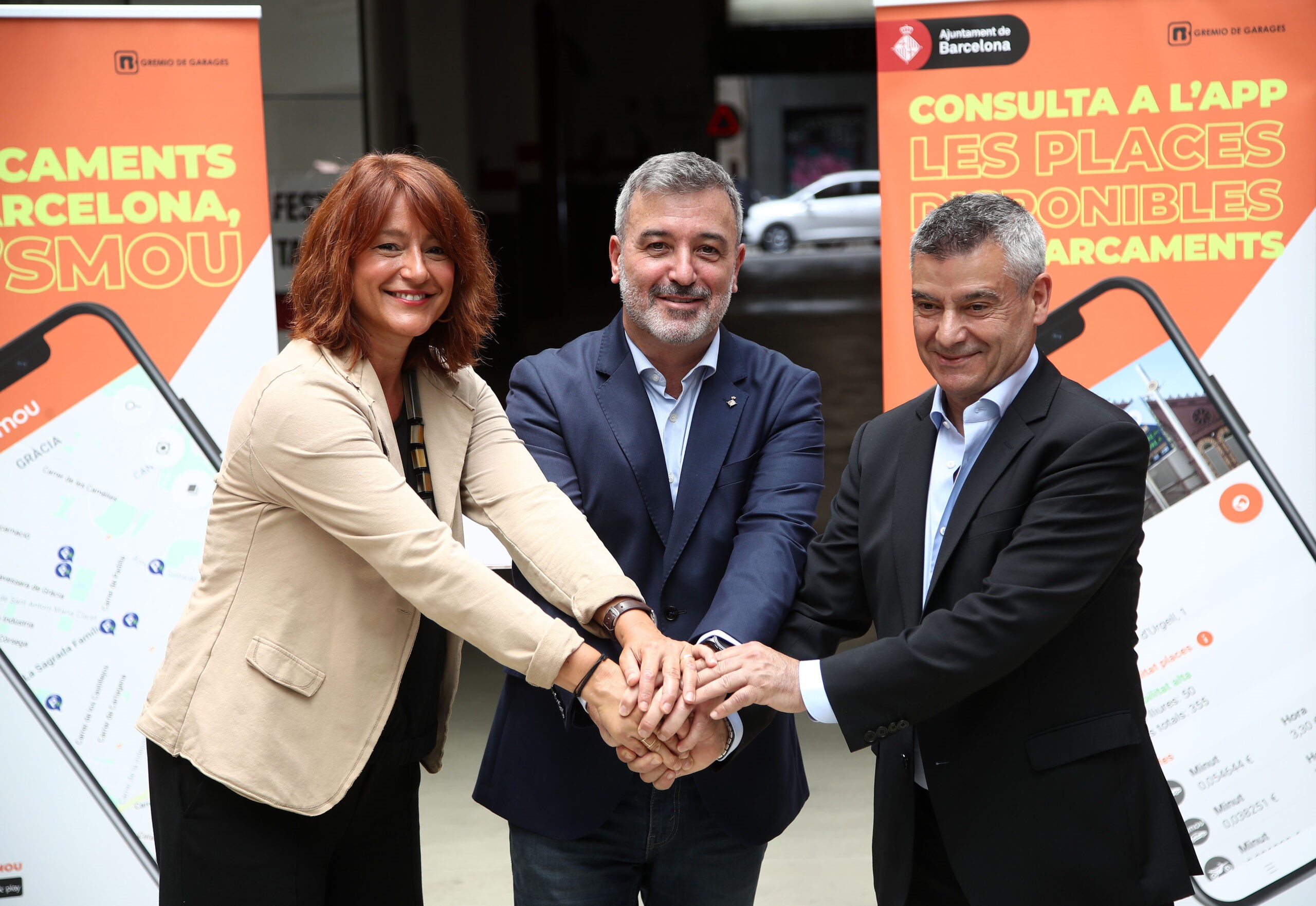
 Presentation of the agreement with the Garage Guild to facilitate the real-time consultation of information and availability of parking spaces in Barcelona
Cuerpo

Private-vehicle users will have information at hand, through their mobiles, on 150 car parks and 45,000 outdoor public-highway parking places

SMOU personal-mobility app users will be able to perform real-time queries on the availability of 75% of parking places found in the city from the app

The new function will help to reduce the time and effort of finding parking places, thereby cutting road traffic, the occupation of public space and pollution

You can now find out all about parking availability before you leave home thanks to an initiative from Barcelona City Council and the Barcelona Garages Guild. Private-vehicle users can now check for the location of more than 45,000 parking places through Barcelona’s personal-mobility app, SMOU.

Under the agreement city residents will be provided with practical information on more than 150 car parks run by various operators belonging to the Barcelona Garages Guild, such as the BSM Car Park Network, BAMSA, SABA, Interparking, Telpark, Garatge Santa Rosa, Garaje Garcilaso, Central Parking Barcelona, Onix Renta, GP Trade, Parking 2000, Parkia, ASECAT, Garajes Rocas, Parking Cienfuegos, Aramunt, Garatge Santa Perpètua, El Nou Raval, Parking IMSA, Parkings Plafer, Parking Legalitat, Parking Park, Parking Principal, Garatge Londres, Agrupació Bonet, Garatge Carles, Parking Balmes, Copark, Aparcament Dr. Roig i Raventós and Parking Aldana. 

In addition, users can perform real-time queries to check the availability of 75% of places available from the app, a figure that will steadily grow thanks to the collaboration of the Garages Guild. 

A technological solution promoting sustainable mobility

This new function will enable private-vehicle users to find out, from their mobile, the closest available parking place to their destination. This will enable routes to be planned and simplified, thereby reducing the time it takes to find a parking place. It will consequently have a direct effect on the volume of road traffic, the occupation of public space and pollution. 

Through this project, operators belonging to the Barcelona Garages Guild are showing their support for the promotion of sustainable, safe, digital, integrated and planned mobility that helps to reduce road traffic, the occupation of public space and the volume of polluting emissions.

User experience takes centre stage

The experience and needs of private-vehicle users have been at the centre of the project design at all times. The map of Barcelona offers a visual, intuitive display of the location of each of the 150 car parks on which information is provided so users can find the off-street parking options that are available in the city.

Users can access a detailed file on each car park, stating access point addresses, opening times, type of vehicles admitted, available places, the various prices/hour, the list of services offered in the car park (including 24-hour opening, car sharing, electric charging, video-surveillance, vehicle-guidance system, places for people with reduced mobility, mobile phone coverage, payments by app or card) and information on gauge and maximum width for accessing the car park.

As for availability of parking places, real-time information is shown intuitively from the car park location point on the map in the app. The user is given sufficient information, expressed simply and immediately through a traffic-light indicator, so they can make a decision as to where to park. So, green indicates high availability of unoccupied parking places; yellow, medium availability of places; red, low availability of places; and, if there is no information at the time of the query, the colour will be grey.

One app, a multitude of services

Boasting more than 570,000 users and a million and half operations a month, SMOU is an app that promotes intermodality in mobility in a simple, intuitive, sustainable and safe way. It also allows users to plan and personalise their journeys without any need to download other applications. 


This is a project financed with funds from the Recovery, Transformation and Resilience Plan, financed by European Union – NextGenerationEU.

Logos Next Generation


Agreement with the Garages Guild to provide real-time information on the availability of parking spaces in Barcelona’s car parks
Read the note
Fecha de publicación
News or press release?
Press release
Imagen de cabecera
Imagen destacada
Imatge
A thousand people with functional diversity enjoy the attractions of Tibidabo
Cuerpo

This is the 26th edition of its solidarity day, where the Park opens its gates to over 1,000 people with functional diversity so they can enjoy a whole day of activities for free

Tibidabo continues its efforts to make its spaces more accessible and inclusive

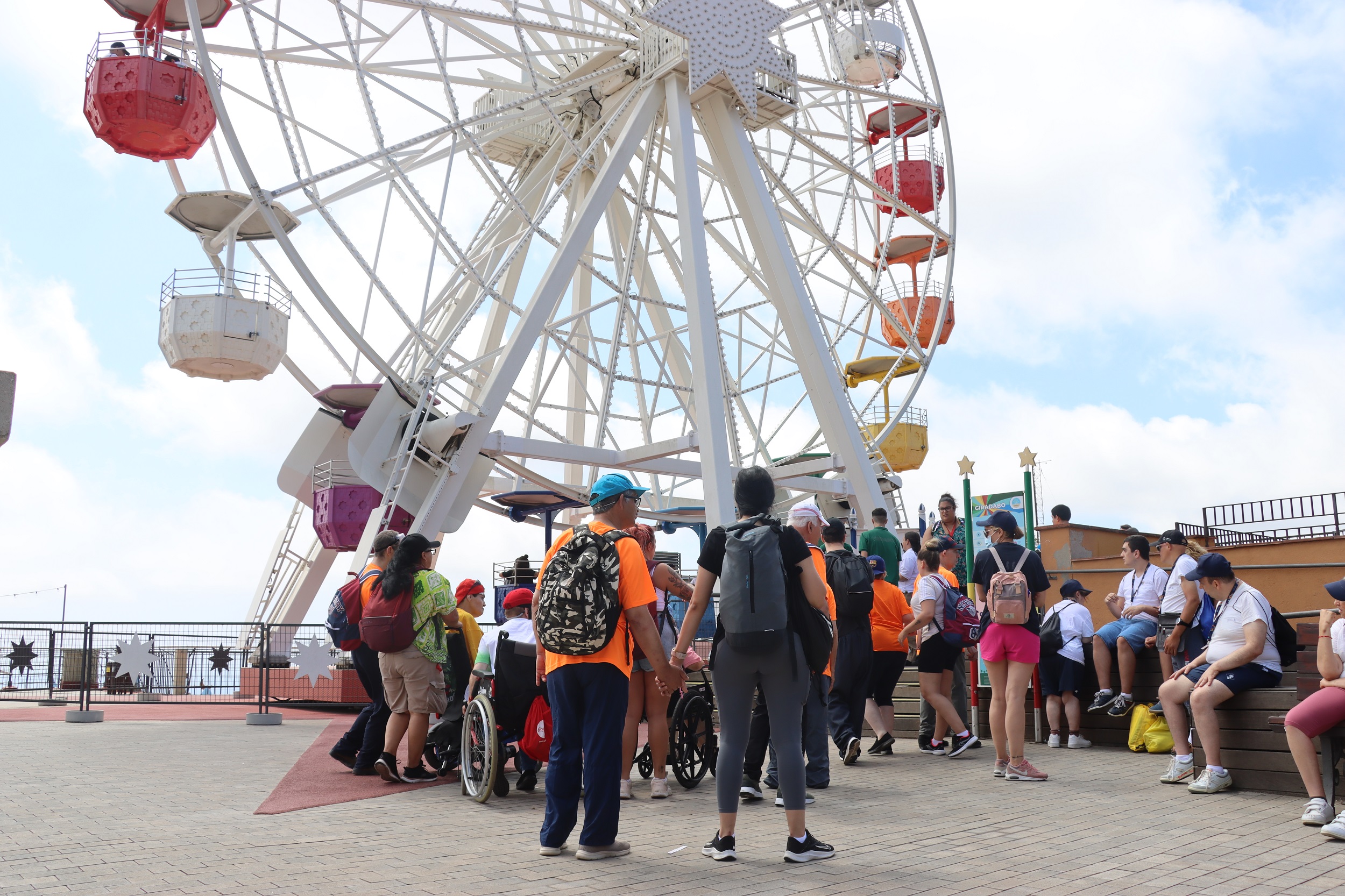
Tibidabo Amusement Park is showing its most inclusive by holding of the 26th edition of its “Summer without barriers” solidarity festival. The Park has opened for free today for 1,000 people with functional diversity so they can enjoy its attractions and shows. The event is organised in collaboration with 118 volunteers from the Red Cross and Voluntaris 2000, and with 11 organisations and associations taking part from all around Catalonia.

It is one of the social action projects being run by Tibidabo to promote the inclusion of various groups. “A summer without barriers” is an annual event that ensures the inclusion of people with functional diversity and works to encourage their personal and social independence. This edition has centred on one of the Park's latest new features: the “Cuca de Llum” or glow worm funicular which, thanks to its innovative design, enables space to be freed up and adapted to people with reduced mobility.

The event has been attended by the Fifth Deputy Mayor and Chair of Tibidabo Amusement Park, Albert Batlle.

An ever-more accessible Tibidabo

The Park remains faithful to its inclusive spirit and to its commitment to making its spaces and attractions more accessible. Consequently, its facilities are increasingly being increasingly adapted so more people can enjoy them.  

Tibidabo currently has a preview dossier for checking out the various features of each attraction using descriptive pictograms. This guide enables families and educators to plan their visits to the Park in advance. In addition, an accessibility map was published in 2018 which shows the park with all its available services.

Aside from all that, more than half of the Park’s attractions are fully adapted for people with reduced mobility, including the panoramic big wheel “Giradabo” and “Embruixabruixes”, which has adapted carriages. The Panoramic Area also has a Barcelona panel showing the city’s architectural features and most iconic spaces in Braille. 

You can check out all the Amusement Park’s accessibility-related initiatives in the website’s new accessibility section: www.tibidabo.cat/accessibilitat. 

Tibidabo holds its  ‘Summer without barriers’ festival
Read the note
Fecha de publicación
News or press release?
Press release
Imagen de cabecera
Imagen destacada
Imatge
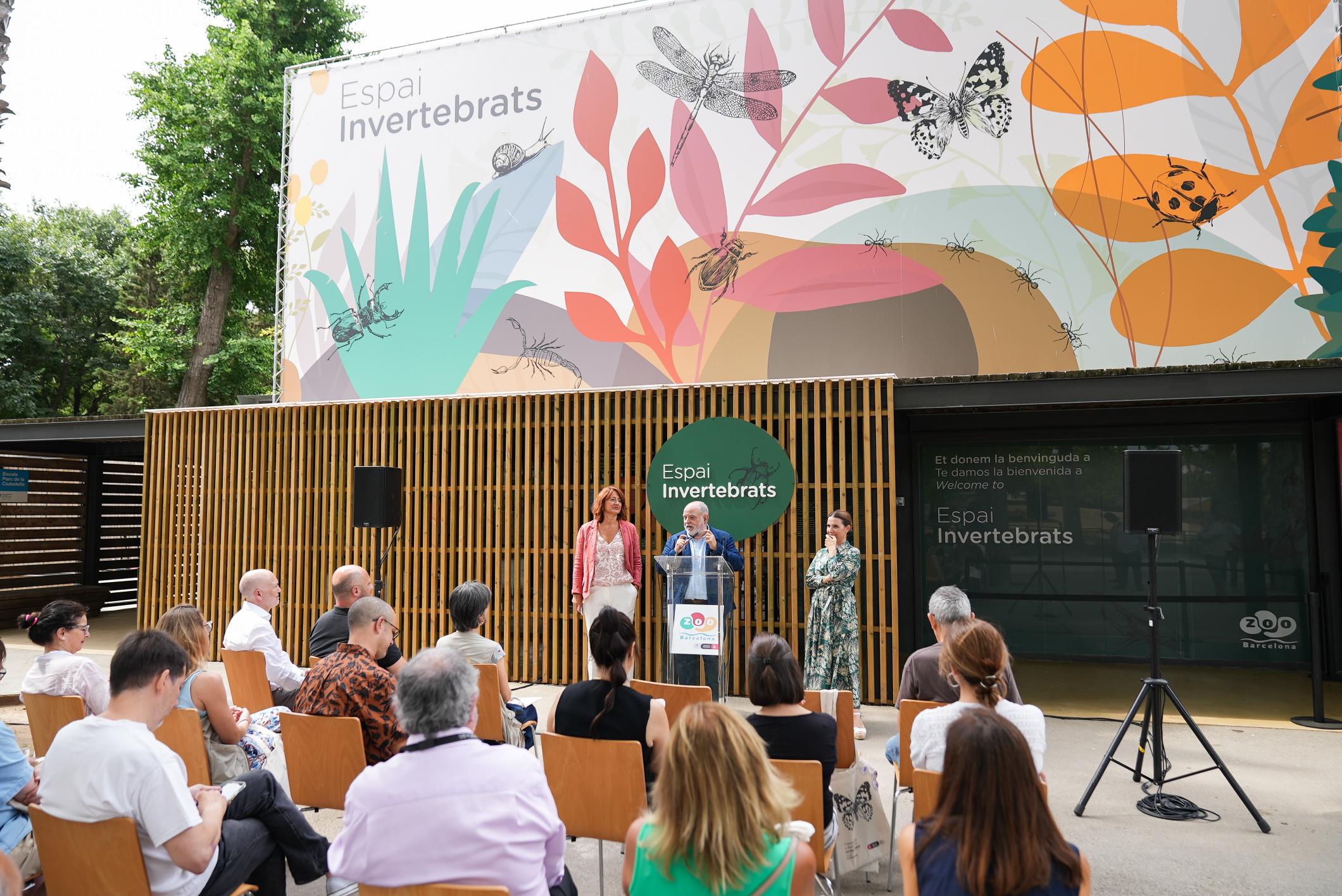
Press conference at the Zoo at the Inauguration of the Invertebrate Space
Cuerpo

Boasting an area of 300m2, the new facility reproduces the habitats and climate conditions required for 33 different species 

The space has been designed especially for family visits. It also includes a laboratory for visitors to watch research projects and reproductive support work carried out there 

In line with the New Zoo Model, the Invertebrates Space is aimed at raising awareness, educating and launching conservation projects on a group of species hardly ever represented in preservation and outreach programmes.

To discover the diversity of existing invertebrate species and emphasise the importance of these animals for life on our planet. These are the main goals of Barcelona Zoo’s Invertebrates Space. The facility, which will open to the public tomorrow, covers an area of 300 square metres dedicated to giving greater visibility to awareness-raising, educational and conservation projects on invertebrates, which represent 97% the world’s animal species and are the basis for biodiversity and balance in ecosystems. 

The Invertebrates Space brings together 33 species distributed in 30 separate facilities, including terrariums and aquariums. Visitor routes are divided into five large areas: Mediterranean, Forest, Island, Butterfly and Domestic. The latter will give visitors a close-up of the features of invertebrate species living in our homes, in everyday spaces such as closets, terraces and gardens.

Insects, arachnids, myriapods and crustaceans are the star attractions of a facility technically conceived to reproduce the habitat of the species it hosts and the climate conditions they develop in. Notable examples include scorpions, empusa and insects such as bees, which have an open facility enabling them to pollinate plants out in the open air. Also included are endangered species in Catalonia such as triops, one of the oldest genus of animals on the planet.

The biggest facility in the Invertebrates Space is the butterfly park, where visitors can observe and learn about the metamorphosis process in butterflies. It also includes a visible laboratory for the public. Maintenance and support work will be carried out there for the reproduction and growth of species with special requirements. Research and conservation projects will also be conducted in the lab in collaboration with the European Association of Zoos and Aquariums (EAZA) and the Iberian Association of Zoos and Aquariums (AIZA). 

An educational visit that fits in with the New Zoo Model

The new Invertebrates Space fits in with the New Zoo Model, which is committed to education, research and conservation. Visits to the Space have been specially designed for families. The tour, which lasts some 30 minutes on average, will be made by small groups.

The Space includes a sound ambience, graphic resources, interactive features and various audiovisual pieces, among numerous other media that will be periodically renovated and expanded. What's more, by using QR codes, visitors will be able to download a guide on the species found in the facility in Catalan, Spanish and English. All the interpretative features contain information for children, teenagers and adults, aiming to raise awareness, among all visitor profiles, of these species and, in this case, of the importance of invertebrates and their contribution to nature. 

Barcelona Zoo will be designing new family activities and educational visits for schools around this new facility. 

The Invertebrates Space is dedicated to the North American biologist and thinker, Edward Osborne Wilson, who died in 2021. The recipient of the 2007 International Catalonia Prize, Wilson was an honorary professor of Comparative Zoology at the University of Harvard and the person responsible for the introduction of such terms as biodiversity, social behaviour, reproductive success and genetic kinship. In addition, he launched numerous research projects on biological evolution and the use of pheromones as a means of communication among ants. 
 

Barcelona Zoo opens its new Invertebrates Space to raise the profile of this group of animal species
Read the note
Fecha de publicación
News or press release?
Press release
Imagen de cabecera
Imagen destacada
Imatge
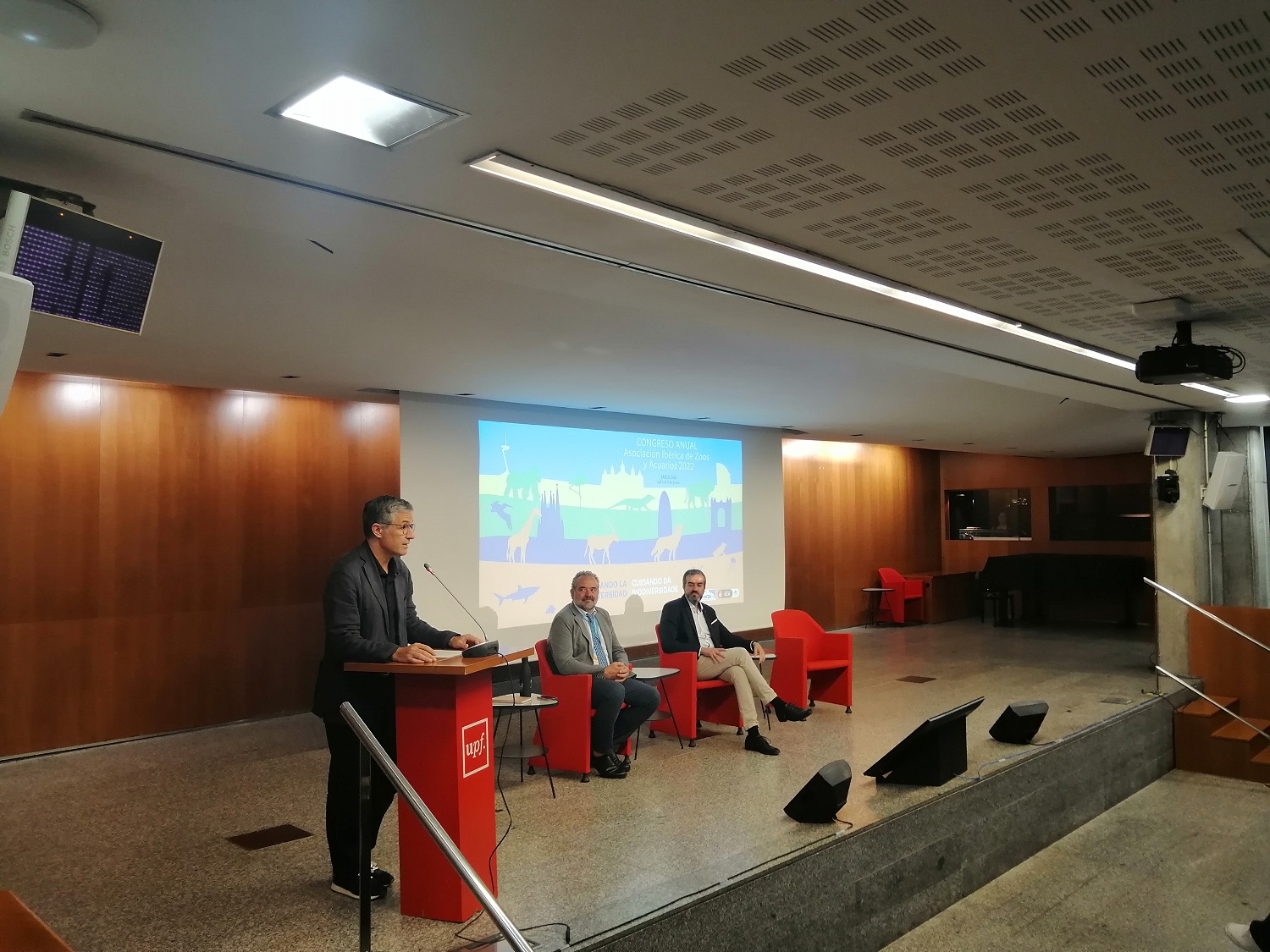
Three people making a presentation on a stage
Cuerpo

Barcelona Zoo is the host venue and organiser of the meeting, to be held on 1 and 2 June at the UPF’s Ciutadella Campus, under the slogan “Caring for Biodiversity” 

Over 150 professionals will be taking part in the conference, discussing, debating and sharing knowledge of species conservation and the role played by zoos today

Barcelona will be hosting the Annual Conference of the Iberian Association of Zoos and Aquariums (AIZA) on 1 and 2 June, which resumes its face-to-face format after a two-year break. Barcelona Zoo is the organiser and host venue of the meeting, which is to be held in the Ciutadella Campus of the Universitat Pompeu Fabra, with over 150 zoology and aquarium experts from around the Spanish State taking part. 

Under the slogan “Caring for Biodiversity”, the conference's programme will include numerous scientific lectures, roundtables and talks on the role zoos currently play in the preservation and conservation of species. The meeting will be divided into four main thematic areas corresponding to AIZA's work groups: veterinary science, education and communication, and conservation and aquariums. 

An institutional reception was held this morning, presided over by AIZA's Chair, Javier Almunia; the Deputy Chair of the Barcelona Zoo Foundation, Xavier Paton; and the Director of Area Services in Barcelona at the Catalan government’s Ministry of Climate Action, Food and Rural Agenda, Josep Pena. 

It was immediately followed by an opening lecture given by the environmental communicator, José Luis Gallego, entitled “Proteger la biodiversidad: un objetivo común” [Protecting biodiversity: a common goal]. An extensive programme of activities then began for sharing the experiences of zoological institutions in the management of biodiversity conservation, breeding programmes for endangered species, animal welfare and the importance of scientific dissemination work in society. 

Notable talks among those scheduled include the presentation of the Iberian Biodiversity Conservation Network (Red CBI), a project aimed at promoting endangered-species rearing and conservation projects in AIZA zoos and aquariums for the purposes of subsequently boosting their populations in the natural environment. Taking part in the session will be Spain's Secretary of State for the Environment, Hugo Morán, as well as the heads of biodiversity services from various autonomous regions. 

Special importance will also be given to a roundtable where representatives from the University of La Laguna, the University of Navarre, ESADE and Barcelona Zoo will be discussing the vision currently held by society of zoos and aquariums. 

The Zoo, for its part, will be taking advantage of the meeting to present some of its latest strategic projects, such as the creation of the BioBanc and the application of a new experience-based and ongoing educational methodology aimed at making citizens aware of the Zoo’s new role as a space committed to education, research and conservation. 


Barcelona hosts the Iberian Association of Zoos and Aquariums’ Annual Conference
Read the note
Fecha de publicación
News or press release?
Press release
Imagen de cabecera
Imagen destacada
Imatge
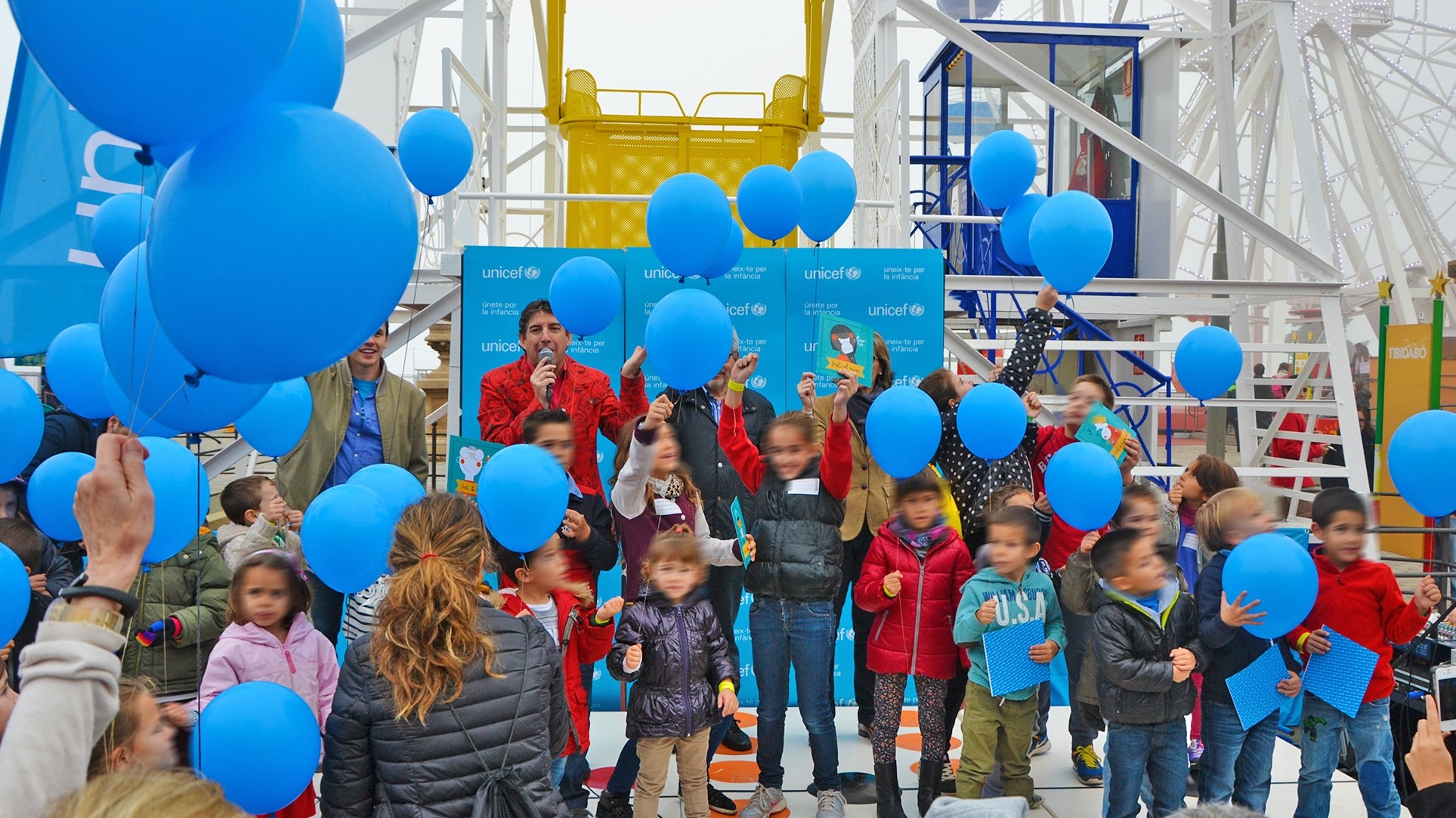
Celebració d'una festa d'Unicef, plena de nens i globus blaus, al Parc d'Atraccions Tibidabo
Cuerpo

Today, coinciding International Right to Play Day, the Amusement Park is holding a commemorative ceremony 

The agreement has enabled the construction of over 100 new schools in Guinea Bissau and provided access to education for 111,352 children in Madagascar

A decade of a joint commitment to furthering children's rights. Today, the Tibidabo Amusement Park and UNICEF are celebrating the 10th anniversary of the strategic partnership, through which the two organisations work to further the rights of children. 

The celebration coincides with International Right to Play Day. A total of 500 TibiClub members, chosen in a draw, were able to join in and receive a commemorative Park Mascot cuddly toy.

The event was attended by Albert Batlle, Barcelona City Council's Fifth Deputy Mayor and president of Tibidabo Amusement Park, and Jaume Lanaspa, president of the Catalan UNICEF Committee. In their speeches, they explained what this 10-year partnership has meant for each of the organisations. 

Furthermore, during the day, it will be possible to visit an exhibition in the Automaton Museum that features the most important milestones of these 10 years of collaboration. In the exhibition, visitors to the park will be able to leave a personal message, explaining what play has represented in their lives. 

10-year commitment to children's rights 

The collaboration agreement between Tibidabo Amusement Park and the Catalan UNICEF Committee was signed in 2012. From the beginning, the main goal for the two organisations has been based on promoting knowledge about the rights of children in society as a whole and visitors to the park. This partnership is one example of the social showcasing and awareness-raising activities that Tibidabo Amusement Park carries out all year, focusing especially on children. 

Every year, Tibidabo allocates 0.4% of its revenue from entrance ticket and family ticket sales to UNICEF, as well as the sum of €2 on each entrance ticket for solidarity activities. These resources make it possible to develop various programmes to support the most vulnerable children in the world, and in particular, the Schools for Africa initiative.

Tibidabo Amusement Park's contribution has been allocated to education programmes in Madagascar and Guinea Bissau, two countries suffering from persistent poverty, which acts as a barrier to the development of each country and its citizens. Among other success stories, the programme has been able to provide 111,352 Madagascan children with access to school and to construct and renovate 100 schools in Guinea Bissau. All of these results and achievements have helped to provide more and more children with their right to a high-quality education. Furthermore, these achievements will have a direct effect on the development of their communities, and therefore their country.  

Throughout the year, in collaboration with UNICEF, Tibidabo carries out various activities, educational workshops, talks and events aimed at informing the families and children who visit the park about children's rights. UNICEF has also been present at various editions of the Song for Peace Festival.

10-year strategic partnership between Tibidabo and Unicef
Read the note
Fecha de publicación
News or press release?
Press release
Imagen destacada
Imatge
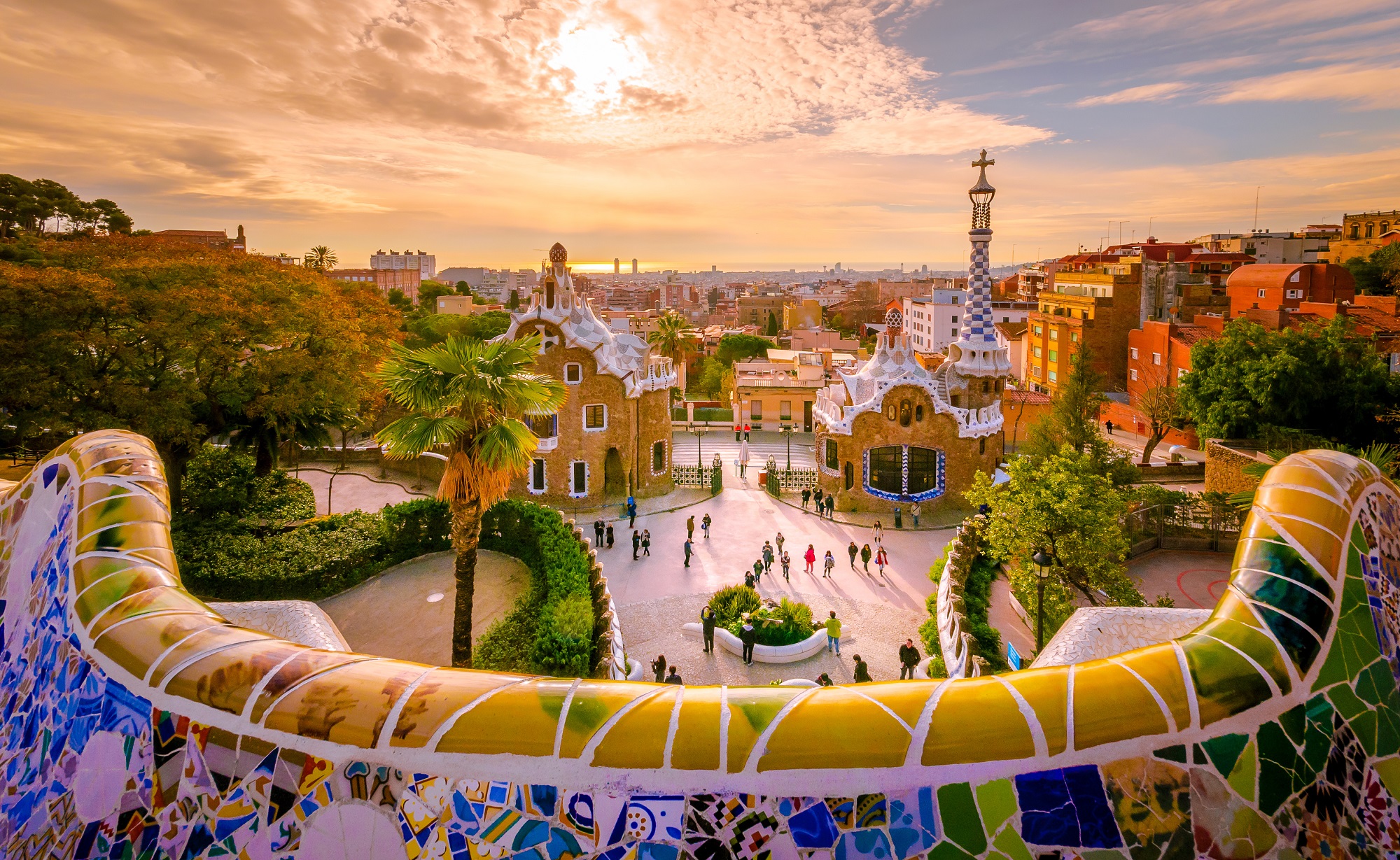
Vista de l'accés principals del Park Güell des de la Plaça de la Natura al vespre
Cuerpo

The Park is playing host to the 9th “Barcelona history and music” cycle, which will be paying homage to the music broadcast by Ràdio Barcelona during the Civil War

Once again there will be “Barcelona in motion, film nights” screenings , highlighting the city's relationship with the film industry

MUHBA also has new historical routes on its programme and the Park will be offering guided tours

Park Güell will be offering a full cultural programme during the months of June, July, August and September. Organised in collaboration with the Museu d’Història de Barcelona (MUHBA), the programme is aimed at providing new opportunities for city residents to enjoy this iconic space. 

The common thread of the programme is the city’s history.  Highlights include the 9th “Barcelona history and music” cycle, the film screenings of “Barcelona set: when cities are the setting” as well as new itineraries and commented visits. At the same time, the Park will be offering guided tours in Catalan, Spanish, English and French. 

9th “Barcelona history and music” cycle 

Plaça de la Natura is to become a big summer music stage once again, this time for the 9th “Barcelona history and music” cycle, organised in collaboration with the Catalan Higher School of Music (ESMUC). This year's programme is entitled “Music, War and Ràdio Barcelona”, as it offers some of the works and music styles broadcast during the Civil War on Ràdio Barcelona: concerts performed live by the broadcaster's symphony orchestra, featuring chamber, Lieder, dance, jazz and classical music. They will attempt to capture the atmosphere that the music was capable of creating, despite the war, at home and in bars and cafés where people would gather to listen to the radio. 

  • Chamber music on the air (Friday, 17 June, at 8.30 pm), with Maria Cuatrecasas (violin) and Ignasi Piera (cello).
  • Jazz at its most European (Friday, 1 July, at 8.30 pm), with Eva Slongo, Tcha Limberger, Bastien Ribot, Christoph Mallinger, Albert Bello, Oriol Saña and teachers and students from the EMMCA.
  • Lieder sung in Catalan (Friday, 8 July, at 8.30 pm), with Mireia Tarragó (voice), Laura Peribañez (cello) and Carmen Santamaria (piano).
  • Cobla music against fascism (Friday, 15 July, at 8.30 pm), performed by the ESMUC cobla music ensemble.

4th “Barcelona in motion, film nights” cycle

Plaça de la Natura will become a big outdoor cinema for the “Barcelona in motion, film nights” cycle. Entitled “Barcelona set: when cities are the setting”, it offers screenings of films shot largely in Barcelona, and which give a central role to the city’s urban-planning and orographic features. 

The cycle's programme includes screenings of such films as Vida en sombras / Life in Shadows (Wednesday, 22 June, at 9.30 pm), Perfume (Wednesday, 29 June, at 9.30 pm) and The machinist (Wednesday, 6 July, at 9.30 pm). Perfume and The machinist will be in their original version, with Spanish subtitles.

Admission is free for both the concerts and the film screenings but you will need to book your place in advance. You can do that on the MUHBA website as of 1 June. 

Historical itineraries and routes

The MUHBA will also be providing continuity to several historical-activity formats during the months of June, July, August and September. They will cost €2 and last somewhere between 1 and 3 hours, and will deal with several aspects relating to the Park’s development, its links to the city and the development of its surrounding neighbourhoods at the start of the 20th century. The dates and times of these tours, as well as ticket sales, will be available from the MUHBA website from June onwards.

More guided tours during the summer months

The Park will also be boosting its guided-tour offers over the coming months. Guided tours will be on offer every Friday and weekend in June and available every day of the week in July and August. The tours will be given at various times, in Catalan, Spanish, English and French. 

Tours will cost €22 and include admission to the park and specialist guide services. Tickets can be purchased directly from the Park Güell website. 


Park Güell is getting ready for the summer with music, films, new cultural routes and guided tours 
Read the note
Fecha de publicación
News or press release?
Press release
Imagen de cabecera
Imagen destacada
Imatge
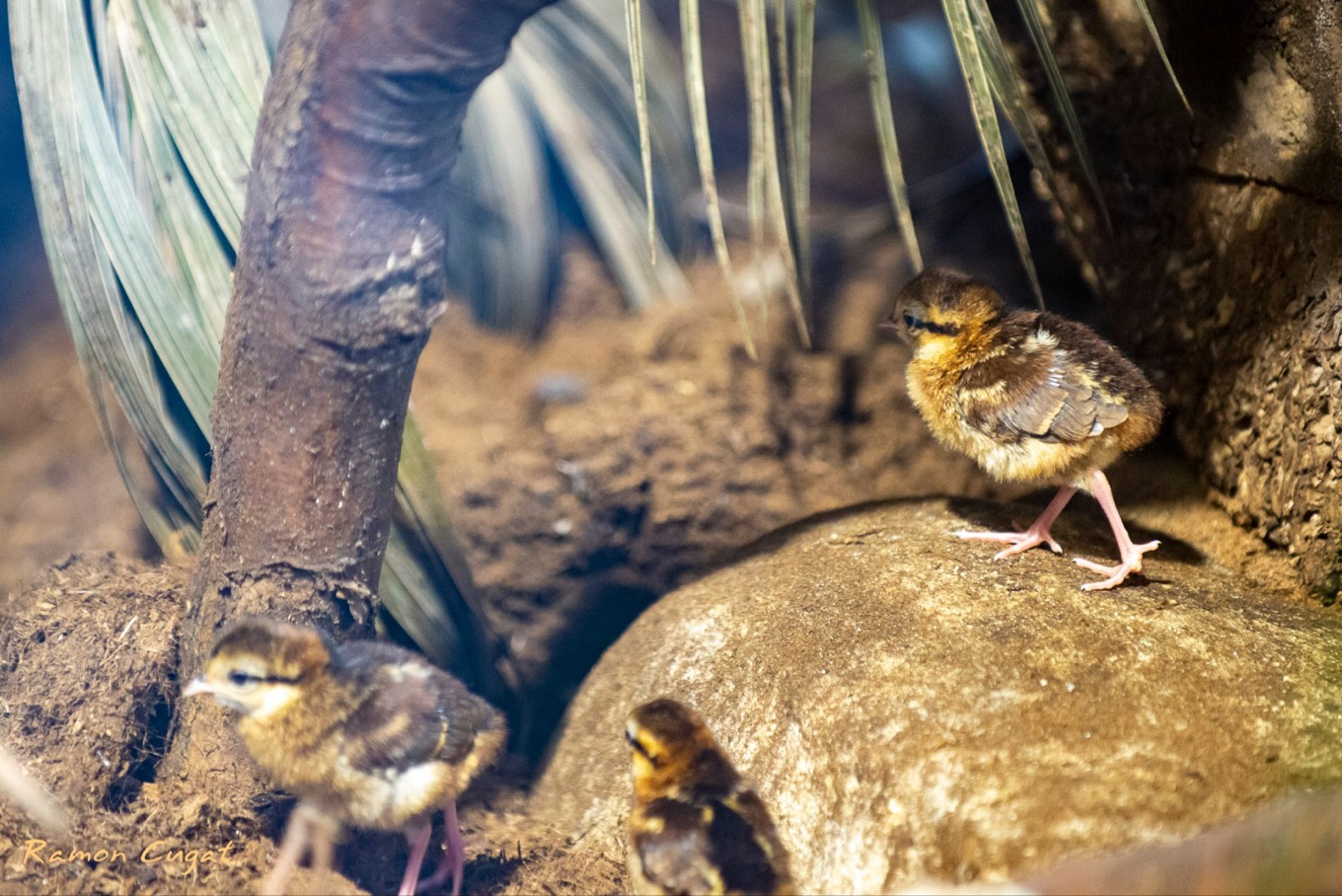
Two Edward's pheasant chicks, Barcelona Zoo
Cuerpo

The Zoo is involved in the European Endangered Species Programme (EEP), which works towards the conservation of animals such as the Edward’s Pheasant

The species has not been recorded in its natural habitat since the year 2000

April saw the birth of four Edward’s Pheasant chicks (Lophura Edwardsi) at the Zoo, a species endemic to Vietnam and in critical danger of extinction according to the Red List from the International Union for the Conservation of Nature.

Barcelona Zoo, which is currently home to six individuals from this species, is an active participant in the European EAZA Ex-situ Programme (EEP) for endangered species, coordinated by the European Association of Zoos and Aquariums, to facilitate the reproduction of the Edward’s Pheasant. The Zoo’s link with these conservation programmes reaffirms its goal of actively pursuing the preservation of biodiversity, animal welfare, research and scientific dissemination.

The situation faced by the Edward’s Pheasant in the wild is the consequence of phenomena such as the loss of its habitat, hunting and defoliation caused by the war in Vietnam. The species has not been recorded in the wild since the year 2000. Because of this, and following field work, the species is regarded as possibly now extinct in its natural habitat.

Given this situation, the NGO VietNature is working closely with EAZA and the World Pheasant Association to reintroduce the species into the wild. A joint action plan has allowed over 700 hectares of land to be earmarked in the Khe Nuoc Trong Reserve in Vietnam, for the preservation of space where individuals of this species can be reintroduced in the future. The goal of the project is to be able to reintroduce them in 2029.

The global population of the Edward’s Pheasant consists of 124 males, 108 females and 47 individuals which have not yet been sexed.
 

Barcelona Zoo sees the birth of four Edward's Pheasant chicks, a species in critical danger of extinction
Read the note
Fecha de publicación
News or press release?
Press release
Imagen de cabecera
Imagen destacada
Imatge
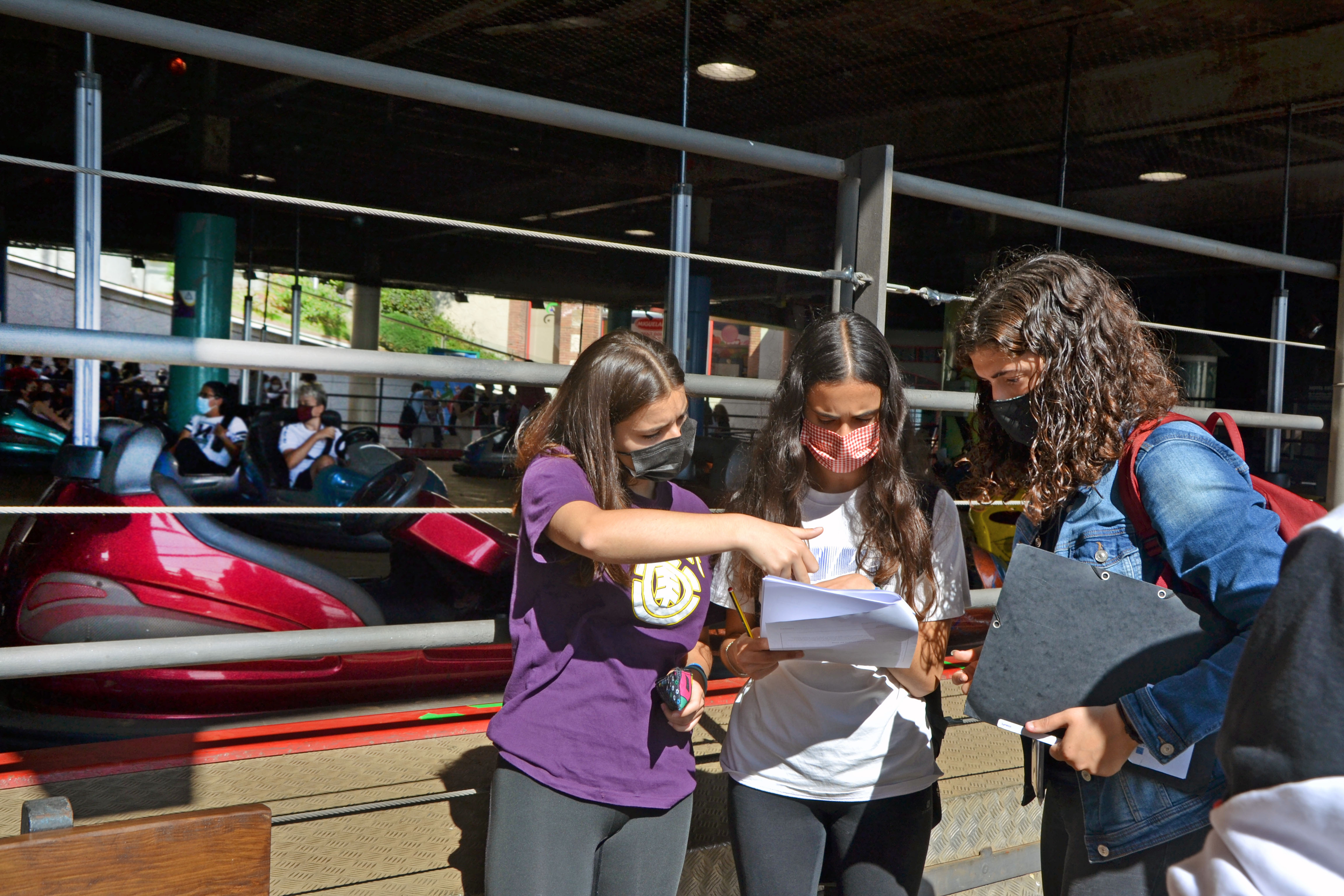
Two young women studying a document in front of a Tibidabo attraction
Cuerpo

More than 2,300 4th-year compulsory secondary-education and baccalaureate students from 60 schools have taken part in a new edition of Fisidabo 2K

The day event at Tibidabo follows those held at the Fòrum and Anella to continue fostering scientific vocation among secondary school students

These STEAM projects (Science, Technology, Engineering, Arts and Maths) make Barcelona an educational-innovation hub at the service of the city’s young talent

Tibidabo Amusement Park was transformed into a giant laboratory today. The Park played host to an educational Fisidabo 2K day, where 2,397 4th-year compulsory secondary-education and baccalaureate students were able to carry out a whole series of activities to broaden their knowledge of physics. Sixty-six schools took part in this year’s edition, 52 from Barcelona and its Metropolitan Area and 14 from the rest of the region. Launched jointly by Barcelona de Serveis Municipals (B:SM) and the the bachelor's degree in Physical Engineering from the Higher Technical School of Telecommunication Engineering at the Polytechnic University of Catalonia · BarcelonaTech (UPC), the project is aimed at promoting scientific vocation among teenagers.

This initiative, now celebrating its 5th edition, aims to provide students with knowledge in a flexible way, fostering creativity and innovation in a playful environment, whilst maintaining academic rigour. It also also seeks to highlight female role models and break down stereotypes, fostering scientific vocation among young women. The Fisidabo 2K will be offering physics-related experiments with the aim of making students active subjects who play a direct role in their own learning process. The Park’s attractions were therefore turned into a scientific testing ground where students had to apply their knowledge through direct experience. 

This year’s edition had 26 proposed experiments for, among other things, calculating the acceleration, velocity and energy of the Roller Coaster, studying the forces that act on the Piratta, measuring the characteristics of the Viking's circular movement and investigating why the mirrors in the Miramiralls reflect images so differently. 

Meanwhile, the Cuca de Llum funicular became a mobile laboratory for students to play at being engineers. Students were invited to determine the characteristics of its movement and calculate the power its engine requires to drive the funicular up to the highest part of Tibidabo.

Fisidabo Hipàtia, the precursor to the project

The Fisidabo Hipàtia was also held today, a pioneering day event now in its tenth year which was created to encourage the practical learning of scientific processes. In this case, it was students on the international CELLEX mathematical sciences baccalaureate who presented the proposed experiments based on the Park’s attractions. The students designed, constructed and tried out the experiment, resulting in a report on the experiment which had the potential to become a scientific article for publication in an international journal.

This year's experiments included one where a group of students measured the force of the waves in the Alaska attraction to calculate the energy that could be extracted from their movement. The experiment is very similar to the one made in experimental channels all around the world for investigating tidal forces.

An educational innovation hub at the service of the city’s young talent

The Fisidabo 2K is part of a very extensive educational project featuring four days of activities. Visions STEAM Fòrum was held at Parc del Fòrum on the 23 March for fourth-year ESO and baccalaureate students, enabling them to carry out experiments in the fields of biology, physics, mathematics, chemistry and technology. 7 April marked the turn of Visions STEAM - Anella, with over 1,500 students at the Olympic Stadium.

A new feature this year, Visions STEAM – Zoo, for 1st- and 2nd-year ESO students, will be held for the first time on 9 November. That means all secondary-education years will be covered, from 1st-year ESO to 2nd-year baccalaureate. So over 6,000 teenagers are expected to benefit from STEAM activities in 2022.
 

Tibidabo is transformed into a physics laboratory for 4th-year compulsory secondary-education and baccalaureate students
Read the note
Fecha de publicación
News or press release?
Press release
Imagen destacada
Imatge
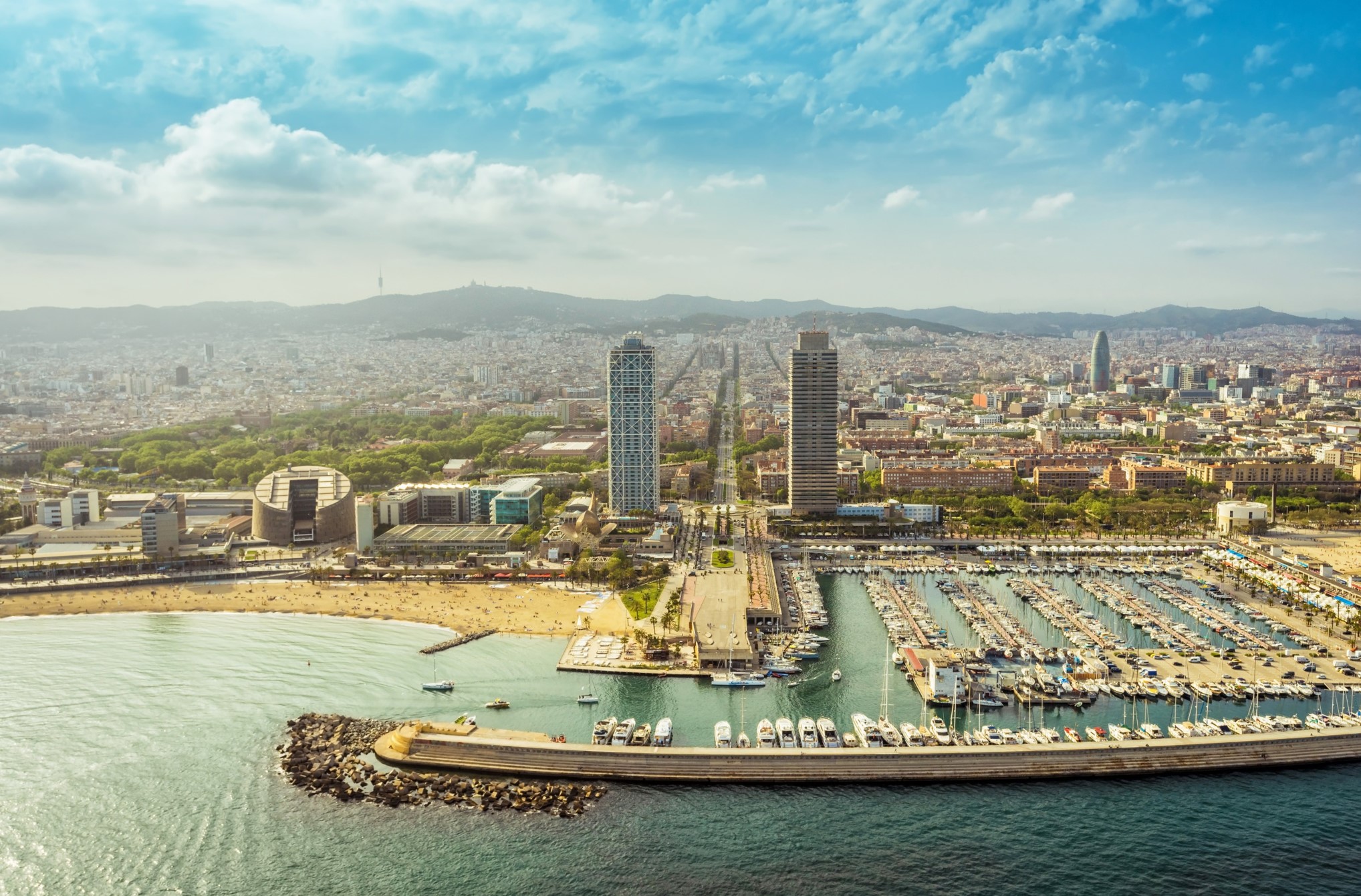
Panoramic view of the Olympic Port, on a sunny day
Cuerpo

On from 6 to 18 May, the fair will feature the best vermouth producers, live music performances, an extensive culinary offering and activities and workshops

By playing host to the fair, the Olympic Port is reaffirming its ambition to become a meeting space for all city residents 

The Olympic Port is playing host to the Vermouth & Soul Fair, from 6 to 8 May, a fair that pays homage to the culture of vermouth, music and food. The meeting will bring together the best in vermouth and aperitif producers and establishments. It will also feature an extensive culinary offering and numerous activities, such as workshops and vermouth-tasting sessions, dance classes, live music and catamaran excursions. 
 
To gain admission to the fair you will need to purchase a ticket from the vermutandsoul.com website for one of the available time slots on Friday (from 5 pm to 11 pm), Saturday (from 11 am to 4.30 pm or from 5 pm to 11 pm) and Sunday (from 11 am to 4 pm or from 4.30 pm to 9 pm). 

The Olympic Port, a meeting space for city residents 

The Vermouth & Soul Fair being held at the Olympic Port represents the ambition to convert the space into a new social and family meeting point by the sea. 

The opening up of the Olympic Port to Barcelona’s residents is one of the strategic cornerstones of the transformation project led by Barcelona de Serveis Municipals (B:SM). It is in this new era that the Olympic Port is aiming to become a public space where, under sustainability and public-management criteria, sailing will coexist with the generation of economic activity, mainly linked to the sea and the blue economy. A new food space is also being launched. 


 The Vermouth & Soul Fair docks at the Olympic Port 
Read the note
Fecha de publicación
News or press release?
Press release
Imagen de cabecera
Imagen destacada
Imatge
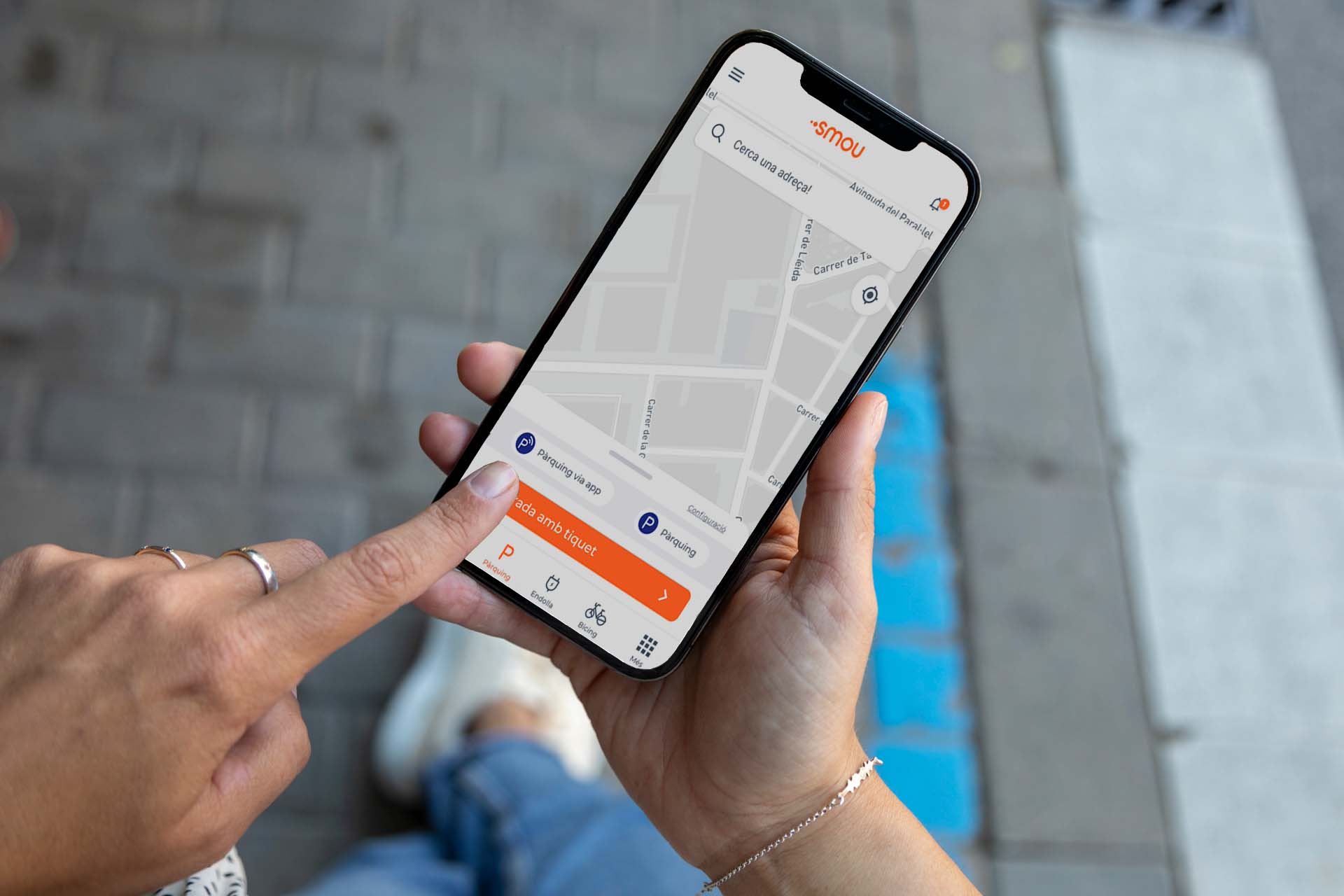
Someone using the SMOU app
Cuerpo

During the first four months of the year, the use of digital tickets increased by 50% compared to the same period in 2021

With over 560,000 users in all, SMOU continues to grow and innovate, helping to foster sustainable, safe, digital and integrated mobility


SMOU, the app that unites different personal mobility services and facilitates travel for people in Barcelona and the metropolitan area, continues to help transform mobility.  At present, over 75,000 people use the app to pay for parking by minutes in B:SM car parks. The figures come after the app’s digital parking service notched up 50% growth in the first four months of the year, compared to the same period in 2021.

Available at 45 car parks in the B:SM network, the service allows users to pay for parking by minutes without having to get a paper ticket or go to the ticket payment machines. At the same time, the service lifts the automatic barrier with number-plate reading technology. All this has made the app a practical and secure payment method which saves time and does away with the use of paper. SMOU also helps improve mobility in the city as it streamlines entry and exit processes at car parks, minimising waiting times and queues. 

B:SM’s commitment to increase the use of digital tickets is also reflected in the current 30% discount offered if users pay for parking by minutes with the SMOU app in B:SM car parks. 

Better organised mobility on a single application

On a single application, SMOU offers users a multitude of services that promote planned, organised, safe, digital, connected and integrated mobility.  After just three years, there are now over 560,000 people using the app every day to get around the city and the metropolitan area, contributing to sustainability.

SMOU currently allows users to locate regulated parking areas and pay for parking meters in blue and green parking areas in Barcelona and ten metropolitan municipalities. The app also allows users to locate and access B:SM car parks with number-plate reading, without collecting a ticket or going to the ticket payment machines. It is also the official application for reserving and using Bicing and e-vehicle charging points in the Endolla Barcelona network. 

Other mobility services include information about the city's bicycle lanes and marking the best route for cycling from A to B. It is also able to activate municipal towing warnings in the event that a vehicle registered on the application is being moved or towed away. SMOU’s dynamic map includes information on the vehicles of car-sharing operators and the location of motorcycles and bicycles belonging to vehicle sharing operators officially licensed by Barcelona City Council.  
 

Over 75,000 people now use the SMOU app to pay for parking in B:SM car parks
Read the note
Fecha de publicación
News or press release?
Press release