Imagen destacada
Imatge
Cuerpo

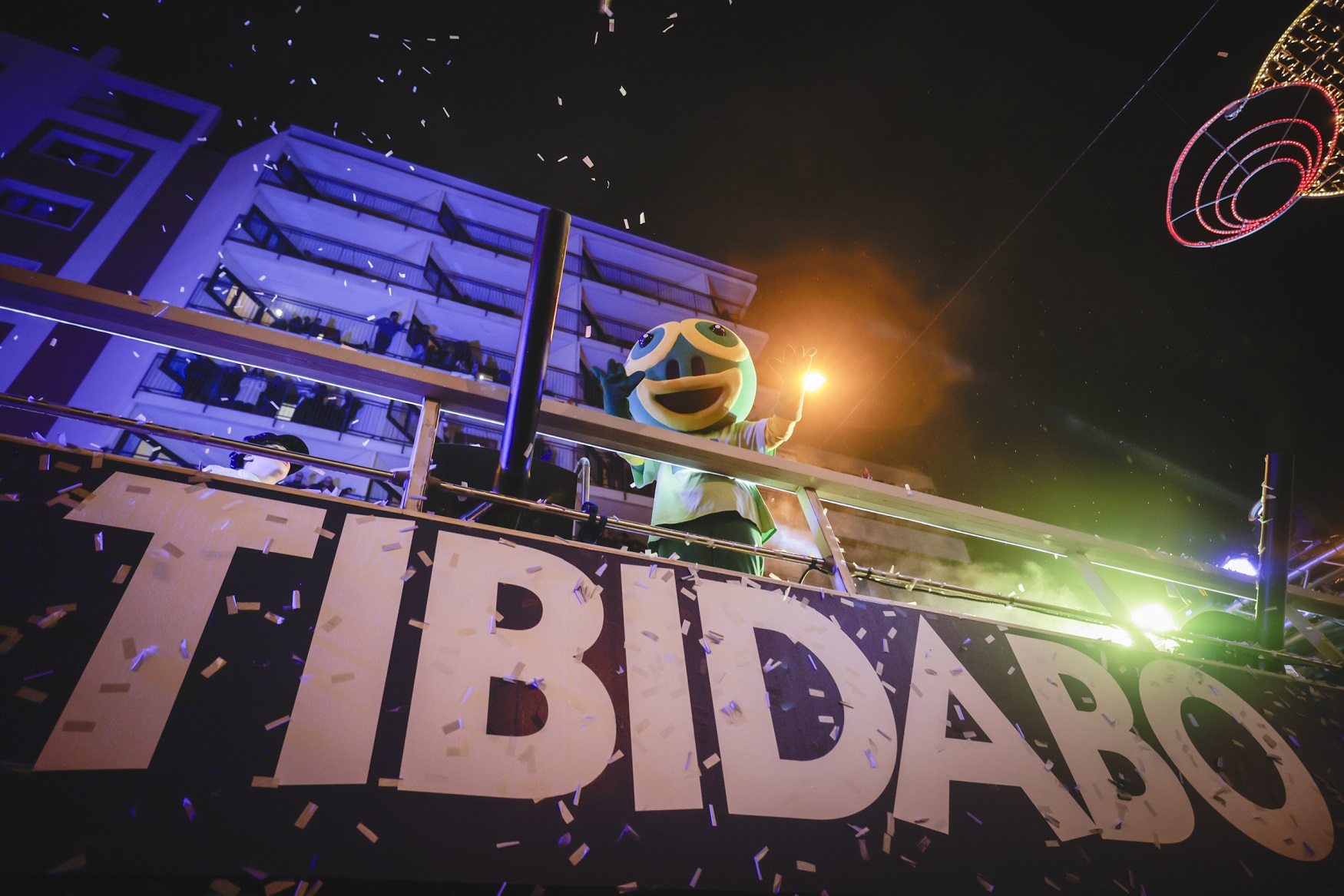
Tibidabo’s mascots –Ti, Bi, Da and Bo– will enliven one of the floats which will be handing out sweets to the crowd and will close out the entourage of Their Majesties the Three Kings

Their participation in Barcelona’s Three Kings Parade is the closing event of the amusement park’s Christmas programming

For the first time, the magic of Tibidabo will be part of Barcelona’s Three Kings Parade, which will run through the city streets on 5 January starting at 6 pm. Tibidabo’s mascots –Ti, Bi, Da and Bo– will be among the stars of the most magical night of the year and hand out coeliac-friendly sweets from a bus designed especially for the occasion, featuring images from the most iconic rides at the park, such as the Airplane, the Embruixabruixes and the Giradabo.

Tibidabo’s mascots will be accompanied by volunteers who will help them to hand out sweets to the crowd. 

Christmas at Tibidabo 

With its participation in Barcelona’s Three Kings Parade, Tibidabo will conclude its Christmas programming, focused on fun, solidarity and sustainability. 

One of Tibidabo’s main features this Christmas season was the 200 m2  sustainable ice-skating rink in Plaça dels Somnis, which more than 12,000 people have enjoyed. 

In addition to the ice rink, these days Tibidabo has also prepared activities for all audiences, including new 4D films, the new puppet show Marionetarium de Nadal and new features for visitors to the Krüeger Hotel. 

It also dedicated Christmas to caring for others by holding one of the most iconic events on Tibidabo’s calendar, the “Cançó de Pau”. More than 2,800 people gathered in Plaça dels Somnis on 27 December for this fundraising sing-along that calls for peace around the world. 
Tibidabo and its mascots participate in Barcelona’s Three Kings Parade for the first time
Read the note
Fecha de publicación
News or press release?
Press release
Etiqueta
Imagen destacada
Imatge
Cuerpo

In 2024, work on adapting areas for parcel collection at the 43 BSM car parks will commence, continuing throughout the year, thus progressing their transformation into mobility service centres 

In addition to these areas, which will be open to the public 24 hours a day, the number of delivery stations to be used by distribution operators when making deliveries to the end customer, either on foot or using sustainable vehicles, will be doubled   

In this way, BSM is building on the Click & Collect pilot tests and the distribution stations already introduced in limited spaces in some of its car parks, and is helping to reduce the amount of traffic and polluting emissions arising from the urban distribution of goods 

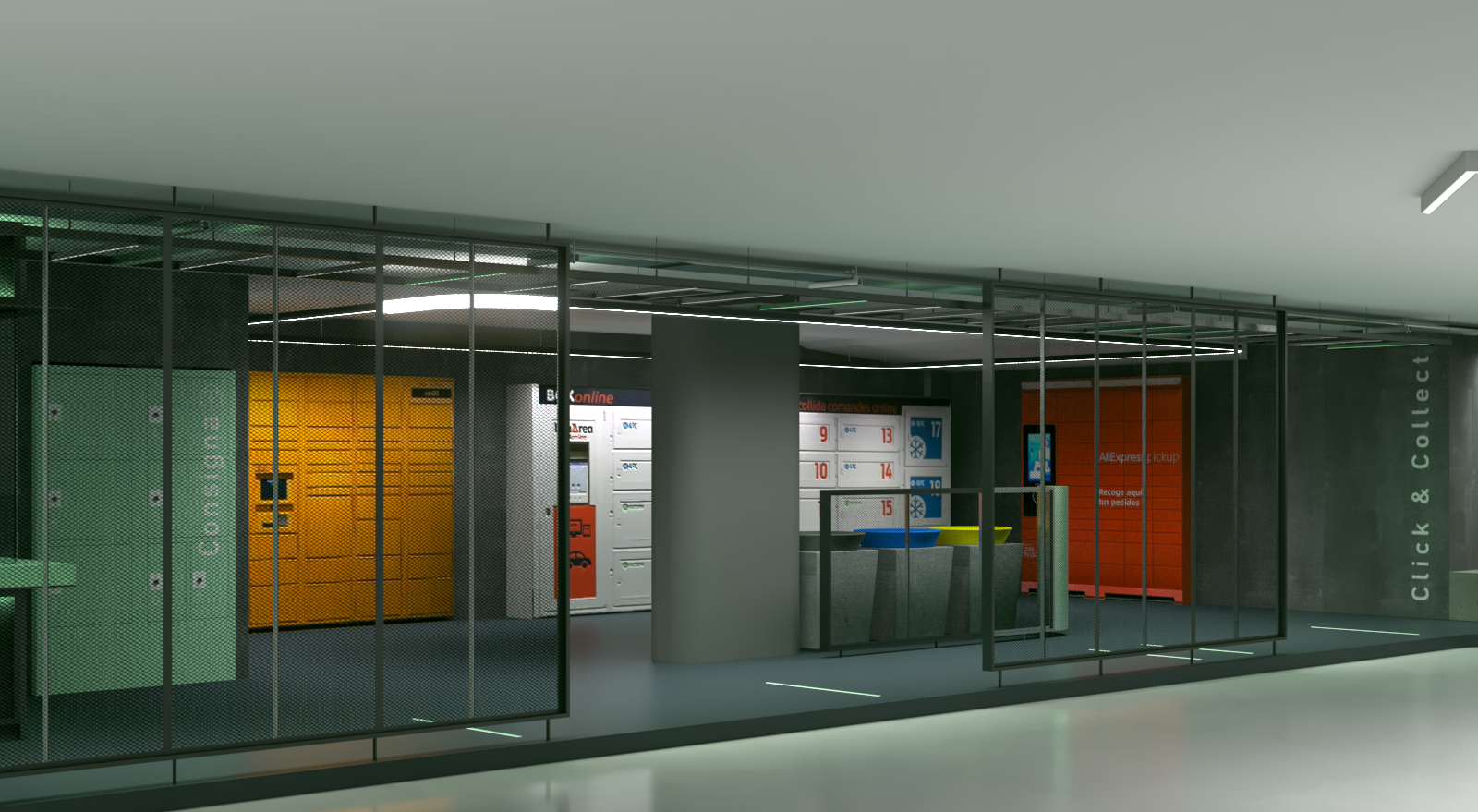
Barcelona de Serveis Municipals (BSM) has begun the process of equipping the entire network of BSM car parks with Click & Collect spaces where people can both pick up and return parcels 24 hours a day. A total of 43 car parks will be adapted to accommodate this service. The project will allow the consolidation and expansion of the Click & Collect pilot tests conducted with different logistics operators at 33 car parks. To date, these tests have been carried out in limited spaces, but the new adaptation project will allow consolidation and expansion, providing more space for the collection and return of parcels.

These advances fall within the “Special Urban Plan for New Activities in the Car Parks of the City of Barcelona” approved by the City Council, which allows the incorporation of logistics services into the city’s short stay car parks with the aim of improving and optimising the management of urban goods distribution in Barcelona. 

In addition to providing all BSM car parks with a parcel collection area for public use over the course of 2024, steps will also be taken to double the current number of distribution stations or CDUM units in the BSM car parks network. The plan is to have about 20 micro-distribution centres from where distribution operators can deliver goods to the surrounding neighbourhoods, either using sustainable vehicles or on foot.  

For First Deputy Mayor and BSM Chair, Laia Bonet, “Initiatives like these highlight the role of car parks in the city of Barcelona. By concentrating part of the urban goods distribution here, we are contributing to a reduction in traffic on public highways, and greater efficiency and sustainability in parcel delivery. Thanks to this strategy, delivery vans cover fewer kilometres because by making a single stop, they can deliver multiple packages to lockers or micro-distribution points. This means fewer journeys, and a reduction in both pollutant emissions and noise levels on public highways. It also makes delivery during off-peak hours and at night easier because as it takes place in a car park, there are no issues with noise”. 

Two key elements to make urban goods distribution more sustainable

The incorporation of Click & Collect spaces across the BSM car park network will be carried out in phases. In all cases, a designated area, properly signposted, will be set up where the lockers for different operators will be located. These parcel collection points will be open to the public 24 hours a day for the collection or return of orders, as is already the case with the Click & Collect points currently being tested in some BSM car parks. Essentially, their purpose is to provide the city with a sustainable alternative to home delivery of online purchases.

Regarding the distribution stations or CDUM units, spaces will also be adapted and signposted in the car parks where they are located. These function as micro-distribution platforms where logistics operators’ vans can unload packages, usually at night, and distribute them to the final consumer using smaller more sustainable vehicles, or on foot. Thanks to these spaces, which are already being tested in eight BSM car parks, the impact on the occupation of public space by urban goods distribution is reduced, as are the amount of traffic and pollutant emissions. 

A new parking model that responds to the new needs of today

Expanding Click & Collect spaces and micro-distribution points is a further step in the transformation process in which the BSM car park network is immersed, working towards making them mobility service centres. This new parking concept goes far beyond vehicle parking, integrating value-added services that respond to new habits and social needs, such as online shopping, electric mobility, and shared mobility.  

Currently, the new BSM Ciutadella del Coneixement Car Park is being built, located on the site bounded by Wellington, Villena, Ramon Trias Fargas streets and Icaria Avenue, and will be operational from the second quarter of 2025. 

With 7,000 m2 of surface area and a total budget of 10.7 million euros, it will be the first to be conceived as a true mobility hub, thanks both to the range of services it will offer, and its architecture and image. At the level of construction, this new conceptualisation involves a much more open definition of space, with flexible-use areas and higher ceilings that allow the entry of all types of vehicles.

BSM begins the expansion of Click & Collect spaces and micro-distribution points across its entire car park network
Read the note
Fecha de publicación
News or press release?
Press release
Etiqueta
Imagen destacada
Imatge
Cuerpo

The awards recognise cases of success and good practice which enable progress in the improvement of energy efficiency and competitiveness through digitalisation and innovation

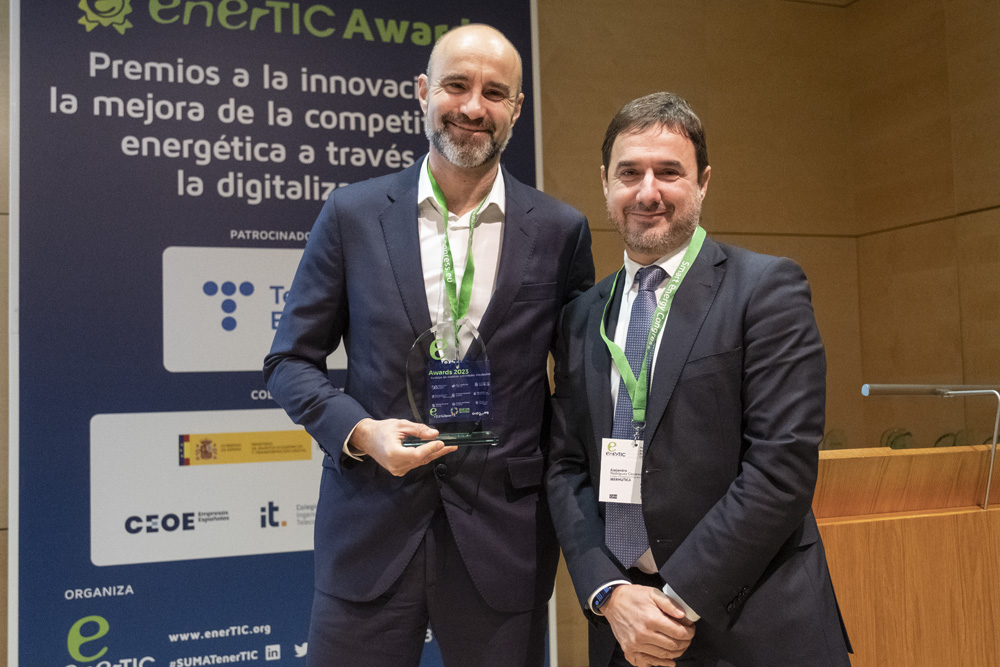
SMOU, the personal mobility and services app from BSM, was the winning project in the Smart Mobility category of the enerTIC energy innovation and competitiveness awards, which were handed out at the Secretary of State for Digitalisation and Artificial Intelligence in Madrid. Collected by BSM’s Director of Information Technology, Communication and Digital Strategy, Artur Frigola, the award recognises initiatives using information and communication technologies to improve commutes, lower CO2, emissions and other aspects.  In this regard, the award means recognition for SMOU’s promotion of sustainable, planned and combined mobility in Barcelona and the metropolitan area. 

The SMOU candidacy was presented jointly by BSM and the company Ibermática-Ayesa, the app’s tech partner. 

The awards were created a decade ago by the Platform for ICT Companies to Improve Energy Efficiency and Sustainability (enerTIC) and highlight the value of tech initiatives in driving the transition to energy efficiency and sustainability through digitalisation. 

SMOU, the leading personal-mobility services app in Barcelona and the metropolitan area

With 1,000,000 users in Barcelona and the metropolitan area, SMOU brings together some 20 mobility services. It includes solutions such as Bicing, the Endolla Barcelona network of EV charging points, payment of regulated parking both on-street and in BSM car parks by the minute, and managing AREA parking spaces for residents. It also allows users to check information on services such as shared bicycles, cars and motorbikes, plus real-time data on public transport, including a route planner to find the most efficient way to get from one point to another in the city, and various other travel options. The app also includes the taxi service, making it possible to request and pay for taxi travel around Barcelona and its metropolitan area, and it offers information and the locations of over 300 car parks. 

Last year, SMOU recorded a total of 16.4 million transactions, almost 45,000 a day. The app is constantly being upgraded, and just four years after its launch, the number of services and users is still growing.

BSM: sustainable mobility services for a better quality of life

Barcelona de Serveis Municipals (BSM) is one of the main service companies in Barcelona. In recent years, it has become a leader in managing mobility services and looking after public spaces, as well as a notable cultural and leisure operator.

BSM encourages sustainable, planned, integrated and connected mobility through the SMOU app. It also promotes the development of Endolla Barcelona, the most extensive public EV charging network in Spain, and manages the Bicing shared bicycle service, the regulated street parking service (AREA) and BSM's car park network, the largest in Barcelona.

The company also makes a significant contribution to professional mobility through solutions such as the SPRO app, aimed at goods distribution and tourist transport professionals. It also manages the Zona Bus parking and bus stop areas and Barcelona Nord Station, which is being transformed into the city's main local tourist transport hub.

Innovation, digitalisation and continuous improvement are the driving forces behind BSM's work to improve citizens' quality of life.

SMOU wins the enerTIC Award for energy innovation and competitiveness in the Smart Mobility category
Read the note
Fecha de publicación
News or press release?
Press release
Etiqueta
Imagen destacada
Imatge
Cuerpo

Park Güell has joined the project to promote scientific vocations organised by Barcelona de Serveis Municipals (BSM) and the Universitat Politècnica de Catalunya – Barcelona Tech (UPC) 

The pupils, from schools near the park, put into practice their knowledge of maths, science, art and technology in discovering the secrets of Antoni Gaudí and Modernist architecture 

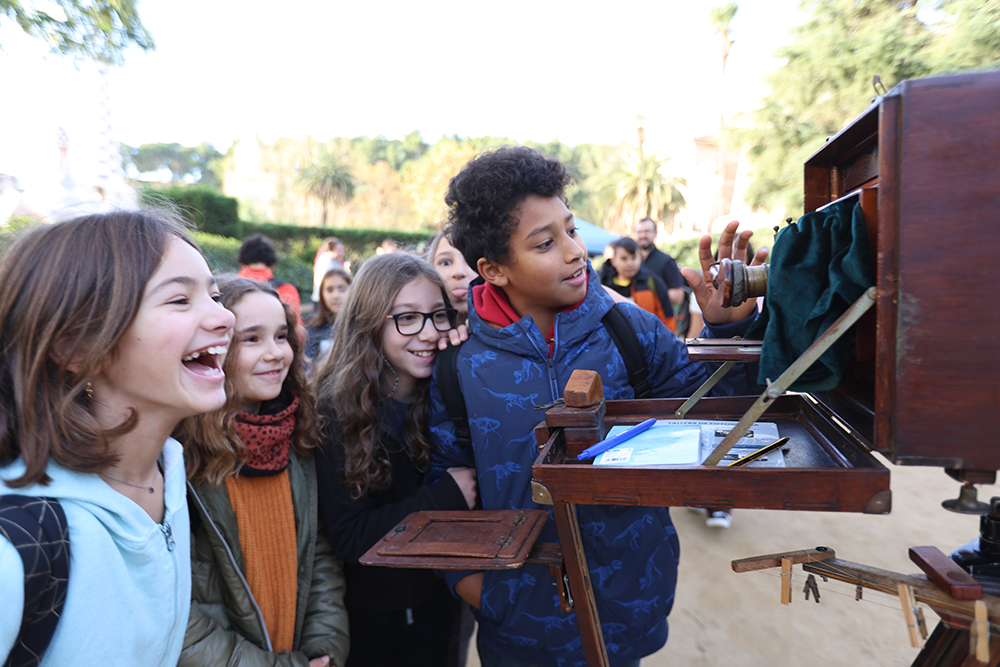
For the first time this morning, Park Güell provided the setting for the STEAM activities organised by Barcelona de Serveis Municipals (BSM) and Universitat Politècnica de Catalunya – Barcelona Tech (UPC) through the Barcelona East School of Engineering (EEBE). It involved the participation of over 600 children from the 5th and 6th years of primary school, a stage in education that has also incorporated the STEAM project for the first time. 

Pupils from ten schools, including three from neighbourhoods near Park Güell, worked on their curricular competencies in maths, science, art and technology while discovering the secrets of Gaudí’s work and Modernist architecture. They did so in three activities run by students from the UPC’s EEBE, along with two shows. 

In the day’s first activity, the children built round and catenary arches with different pieces of wood to discover which ones could be used for construction and the use of arches in architecture. 

The second activity challenged pupils to create a dome out of rods and elbow joints, stimulating planning and optimisation of material and human resources. 

In the last activity, the children discovered the history and architecture of Park Güell through an investigative game involving different elements of the park to discover a treasure valued by Gaudí. 

The first Park Güell STEAM event also included a show involving maths and dance inspired by the geometric shapes used by Gaudí and a demonstration of the importance of structure in both buildings and our brain, presented by neuroscientists. 

Upcoming STEAM sessions

With today’s session, Park Güell hosted STEAM activities organised by BSM and UPC for the first time. The programme for promoting scientific and technological vocations among primary and secondary school pupils continues on 20 March 2024, when the Parc del Fòrum will become a giant laboratory for students in the 4th year of compulsory secondary and non-compulsory baccalaureate education. 

The STEAM activities for the 2023-2024 school year conclude on 16 April in the Palau Sant Jordi arena and on 8 May in Tibidabo. In total, 7,000 students are expected to take part over the 2023-2024 school year.

Over 600 5th and 6th year primary school pupils take part in the first Park Güell STEAM  
Read the note
Fecha de publicación
News or press release?
Press release
Etiqueta
Imagen destacada
Imatge
Cuerpo

The Barcelona Zoo Foundation will support various protection projects in the forest zones where the species lives, as well as activities to research and monitor orangutans in the Sebangau National Park and the Rungan area in Central Kalimantan, Indonesia 

The agreement also supports local awareness-raising work 

The Barcelona Zoo Foundation and the Borneo Nature Foundation have been working on various biodiversity conservation initiatives since 2021

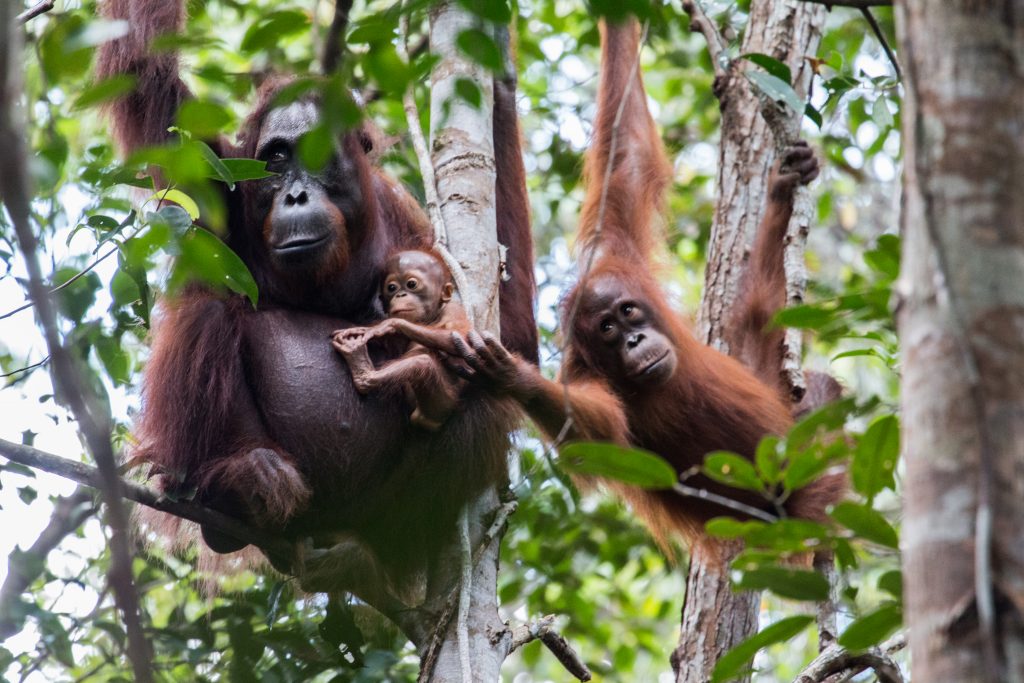
The Barcelona Zoo Foundation and Borneo Nature Foundation will be jointly promoting projects for the conservation and protection of the natural habitat of the Bornean orangutan in Indonesia. The two organisations have signed a new agreement that strengthens the cooperation framework established in 2021, with the aim of protecting orangutan populations on the island, both through initiatives to preserve and restore the forests in which they live and through environmental awareness activities aimed at the local population.

Through this agreement, the Barcelona Zoo Foundation will provide support for the field conservation initiatives that the Borneo Nature Foundation is running in Sebangau National Park and the Rungan area, in Central Kalimantan, Indonesia. One the areas where work has started is the protection of the species’ natural habitat. The Borneo Nature Foundation has several teams on the ground who work to combat deforestation and forest fires, while restoring degraded or burnt zones through reforestation projects. The Borneo Nature Foundation works to establish new protected areas in the Rungan area, creating a new green biodiversity corridor to ensure the long-term viability and connectivity of orangutan populations. 

In terms of research, the agreement includes monitoring the orangutan population, supporting surveillance and monitoring, and mapping priority conservation areas by creating new fieldwork teams and research expeditions. 

The Barcelona Zoo Foundation will also support outreach initiativesand environmental education programmes targeting local populations in Sebangau and Rungan. The work will focus on implementing training modules for children and adolescents in schools and community groups to promote environmental education and awareness of the need to preserve natural heritage and the existing orangutan populations. 

 “This agreement is a clear example of the role Barcelona Zoo plays in conservation, scientific research and education efforts regarding wildlife and its habitat, especially in relation to threatened species,” says the first deputy mayor and president of the Barcelona Zoo Foundation. “The Zoo carries out this work through universities, research centres and organisations such as Borneo Nature Foundation, highly committed to studying and protecting the orangutans' natural habitat.”   

Further “The collaboration agreement with Barcelona Zoo is a major step forward in integrating understanding, participation and awareness-raising regarding the current ecological crisis, together with strategies for species and ecosystem conservation in the field,” notes Bernat Ripoll Capilla, co-director of the Borneo Nature Foundation. “Local conservation, protection and restoration initiatives for tropical ecosystems and species that live in them are an essential part of global strategies to mitigate climate change.”

Zoo de Barcelona, a leader in the protection of critically endangered species

Zoo de Barcelona actively works on conservation, scientific research and education efforts in relation to wildlife and its natural habitats, with special focus on native and critically endangered species. It carries out this work in collaboration with other zoos, universities, scientific institutions and organisations, such as the Borneo Nature Foundation, following the guidelines established by the research committees of the World Association of Zoos and Aquariums (WAZA) and the European Association of Zoos and Aquariums (EAZA). 

The International Union for Conservation of Nature (IUCN) lists the Bornean orangutan as a critically endangered species. Deforestation and fires in the Borneo and Sumatra jungles have caused severe habitat loss and fragmentation, leading to a major decline in populations in recent decades. According to IUCN figures, in the last 40 years, the orangutan population has declined by almost 65%, and only 20% are in protected areas. If current trends continue, in the next 50 years the species may disappear altogether.

As part of the EAZA, Barcelona Zoo currently works with 36 institutions on various orangutan conservation programmes in Borneo. The Zoo itself is home to six members of the species.  

In addition, the Barcelona Zoo Foundation is working with the Evolutionary Biology Institute on the genetic analysis of the most recently described orangutan species, Pongo tapaluniensis. This project is crucial in terms of obtaining more information to characterise the species and contribute to international conservation efforts.

An organisation committed to conserving biodiversity in Indonesia

The Borneo Nature Foundation is a non-profit organisation which since 1999 has been working in the field of conservation and research to protect wildlife, the environment and indigenous cultures on the island of Borneo, Indonesia. The organisation’s field work includes high-quality scientific research as a basis for protecting and managing forests and particular expertise in monitoring the distribution, population status, behaviour and ecology of flagship species such as the orangutan, gibbon and clouded panther. The Borneo Nature Foundation’s programmes also support and empower local community-led initiatives to protect forests and biodiversity, including surveillance teams, fire-fighting units, environmental education and the replanting and restoration of damaged forests.

Zoo de Barcelona and Borneo Nature Foundation strengthen their alliance for the conservation of the natural habitat of Bornean orangutans in Indonesia
Read the note
Fecha de publicación
News or press release?
Press release
Etiqueta
Imagen destacada
Imatge
Cuerpo

From tomorrow, 6 December, kids visiting the Zoo can take part in “The Zoo Elves” theatrical activity and help these characters complete their mission of preserving the planet’s biodiversity 

The 21 and 22 December will be Babysitters’ Day, with free entry for all those grandparents, aunts, uncles and godparents taking kids to the Zoo 

Zoo de Barcelona is celebrating the Christmas period by increasing its offer of family activities. During December, visitors to the Zoo can enjoy a number of free activities for this time of the year, which not only add more fun to the Zoo visit but also promote respect for nature and biodiversity. 

New this year is the theatrical educational activity “The Zoo Elves”, which will invite kids to help these mischievous characters complete their mission of preserving the planet’s biodiversity. The activity will take place in the Zoo amphitheatre from 12 noon to 2 p.m. and will also include a parade around the park (see the Zoo website for dates). 

Another activity planned for this period is the “Recycled Animals” craft workshop, where participants can make animal figures from recycled materials, accompanied by the Zoo’s educators. The workshop will be held on 29 December, in the evening. 

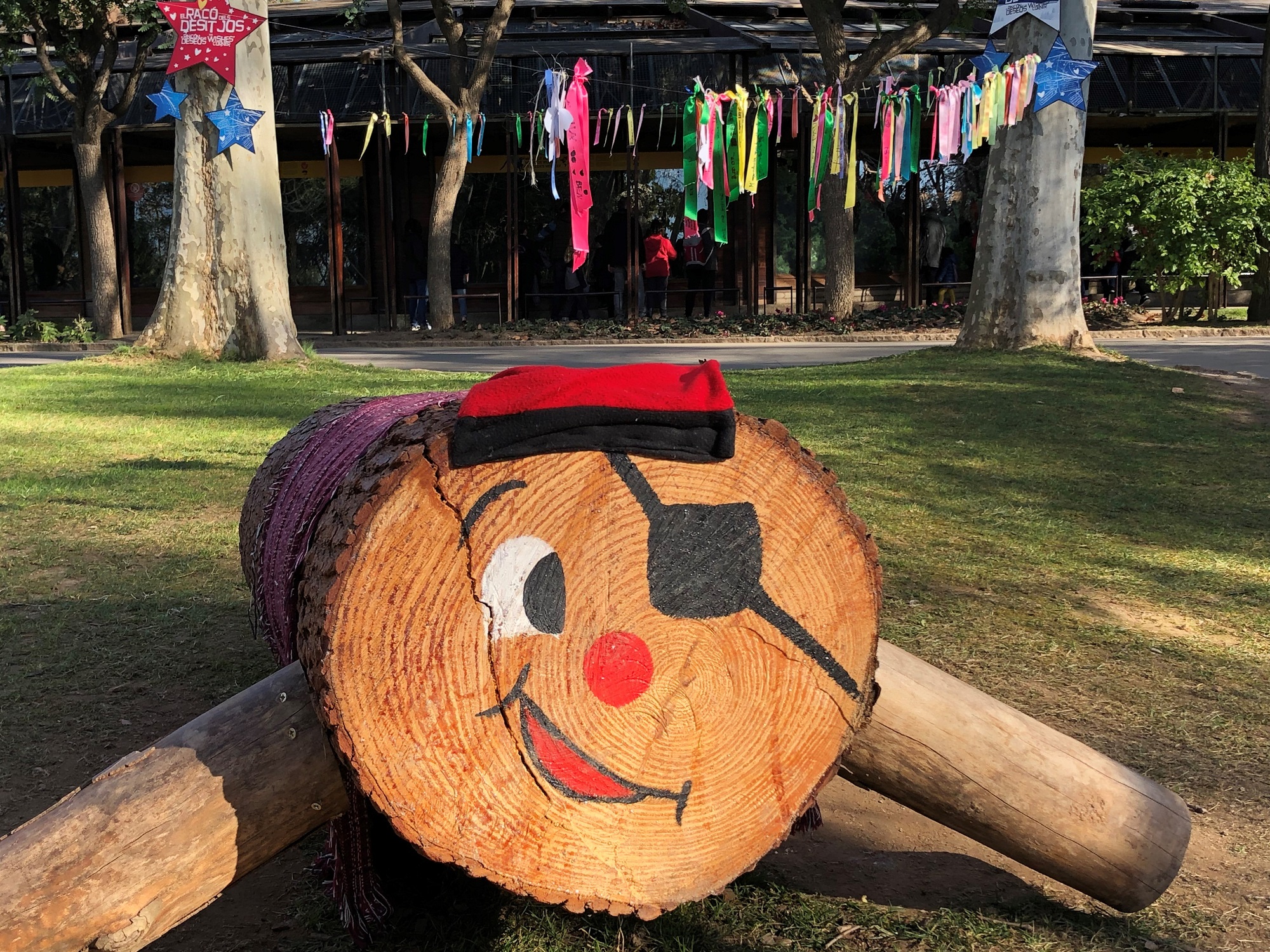
In addition, as in previous years, the Good Resolutions Corner will be set up, a place where kids can write down their good intentions for the coming year and also leave their letters to the Three Wise Men. And on 24 December, the educators will make sure the tió log does its poo in the Lady with the Umbrella Square.  

The Zoo holds its first Babysitters’ Day in honour of family members who look after the kids      

For the first time, the Zoo will be celebrating Babysitters’ Day, two days with free entry for grandparents, aunts, uncles and godparents who come with a child. This will be on 21 and 22 December and will also include a family activity to learn more about the Zoo’s kangaroos and their situation in the wild.  

The Christmas activity camp is back 

Once again, during the Christmas school holidays, the Zoo is offering three activity camps for children aged 5 to 14. The camps are “The Zoo’s Cooks” (21 and 22 December), “Let’s Travel with Animals” (from 27 to 29 December), and “Sign up for Conservation Work” (from 2 to 5 January), three educational free-time activities whose aim is to promote respect for the conservation of biodiversity and the natural environment. Prior booking via the Zoo website is required. 

Nature Passport activities continue

Alongside the special Christmas activities, the Zoo will continue the Nature Passport activities, exclusive to Zoo Club members. Since it was first introduced last year, the Nature Passport has become a consolidated fixture in the Zoo activity calendar, promoting respect for biodiversity while entertaining and giving out prizes to thousands of participants. The Nature Passport activities require prior booking in the private members’ area of the Zoo website. 

Zoo de Barcelona celebrates Christmas with new family activities
Read the note
Fecha de publicación
News or press release?
Press release
Etiqueta
Imagen destacada
Imatge
Cuerpo

The species is native to the Bolivian region of Los Llanos de Moxos and is critically endangered as a result of deforestation and illegal trade 

This is the first time it has bred at Zoo de Barcelona, one of the institutions taking part in the European ex situ conservation programme for this species 

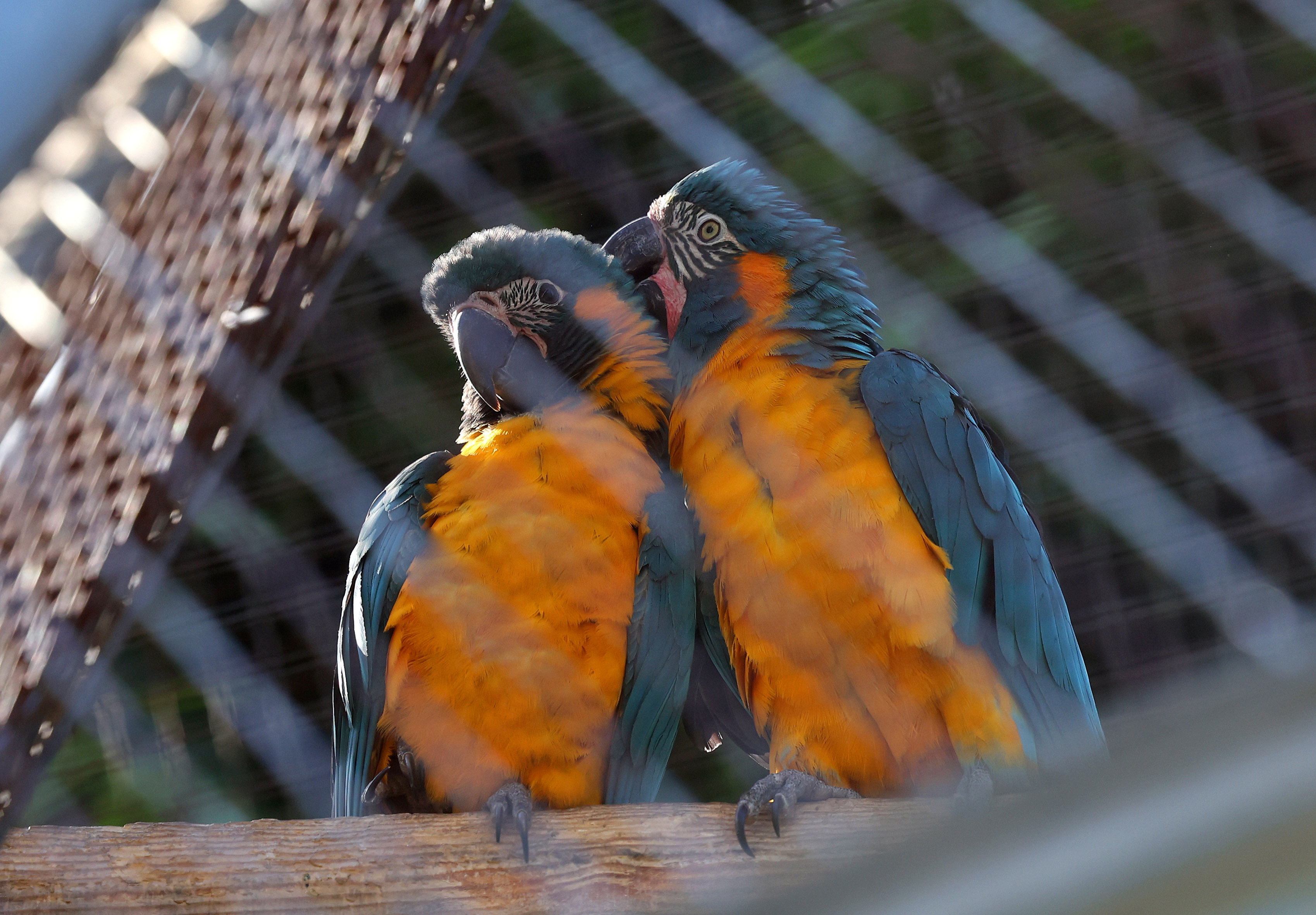
Two blue-throated macaw chicks (Ara glaucogularis) have been born at Zoo de Barcelona for the first time. The species is native to northern Bolivia and is critically endangered according to the International Union for the Conservation of Nature (IUCN). The main threats to the species come from deforestation and illegal capture. 

The chicks were born in the summer and remained in the nest until a few days ago, tended to only by the reproductive pair that conceived them. This is usual behaviour for the species when found in its natural habitat. They can now be seen at the Palmeral, the facility at the Zoo where they live.  

The birth of the two blue-throated macaws comes within the ex situ European Conservation Programme for this species, which the Zoo is actively involved in through the European Endangered Species Programme (EEP).

Estimates put the number of birds remaining in its natural habitat at between 200 and 300  

The blue-throated macaw is endemic to Bolivia. Its area of distribution is extremely limited as it can only be found in the region of Los Llanos de Moxos, in the north of the country. More specifically, the species lives in savannahs and forest wetlands with a tropical climate, generally between 200 and 300 metres above sea-level. It feeds on fruit from different palm trees. 

This species was believed to be extinct for years, until some individuals were spotted again in their natural habitat in 1992. Yet the prospects for its future are not very encouraging, as from the 1,000 plus individuals recorded in the early 1980s, between 200 and 300 remain today. The worrying decline in numbers means the species is now in critical danger of extinction, according to the International Union for the Conservation of Nature (IUCN). The main threats to the species come from deforestation and illegal trade.  

The bird’s appearance is very similar to the blue macaw, with a similar distribution of colours and plumage, but it can be distinguished by a blue mark on its throat, hence its name. Adult birds measure around 85 centimetres long and weigh between 900 grammes and 1.1 kilos. It has a life expectancy of 50 years. 

Zoo de Barcelona’s role in the conservation of threatened species 

Zoo de Barcelona is actively involved in conservation, scientific research and dissemination relating to wild fauna and its natural habitats, paying special attention to native species and the most threatened species. This work is carried out with other zoos, universities, scientific institutions and organisations, and in line with the directives established by the World Association of Zoos and Aquariums (WAZA) and the European Association of Zoos and Aquaria (EAZA).

Two blue-throated macaw chicks born at Zoo de Barcelona
Read the note
Fecha de publicación
News or press release?
Press release
Etiqueta
Imagen destacada
Imatge
Cuerpo

The park will have a synthetic ice rink of 200 m2 for the second year running, première the 4D film ‘Sleigh Ride’ and offer festive dessert workshops with the master cake chef Christian Escribà

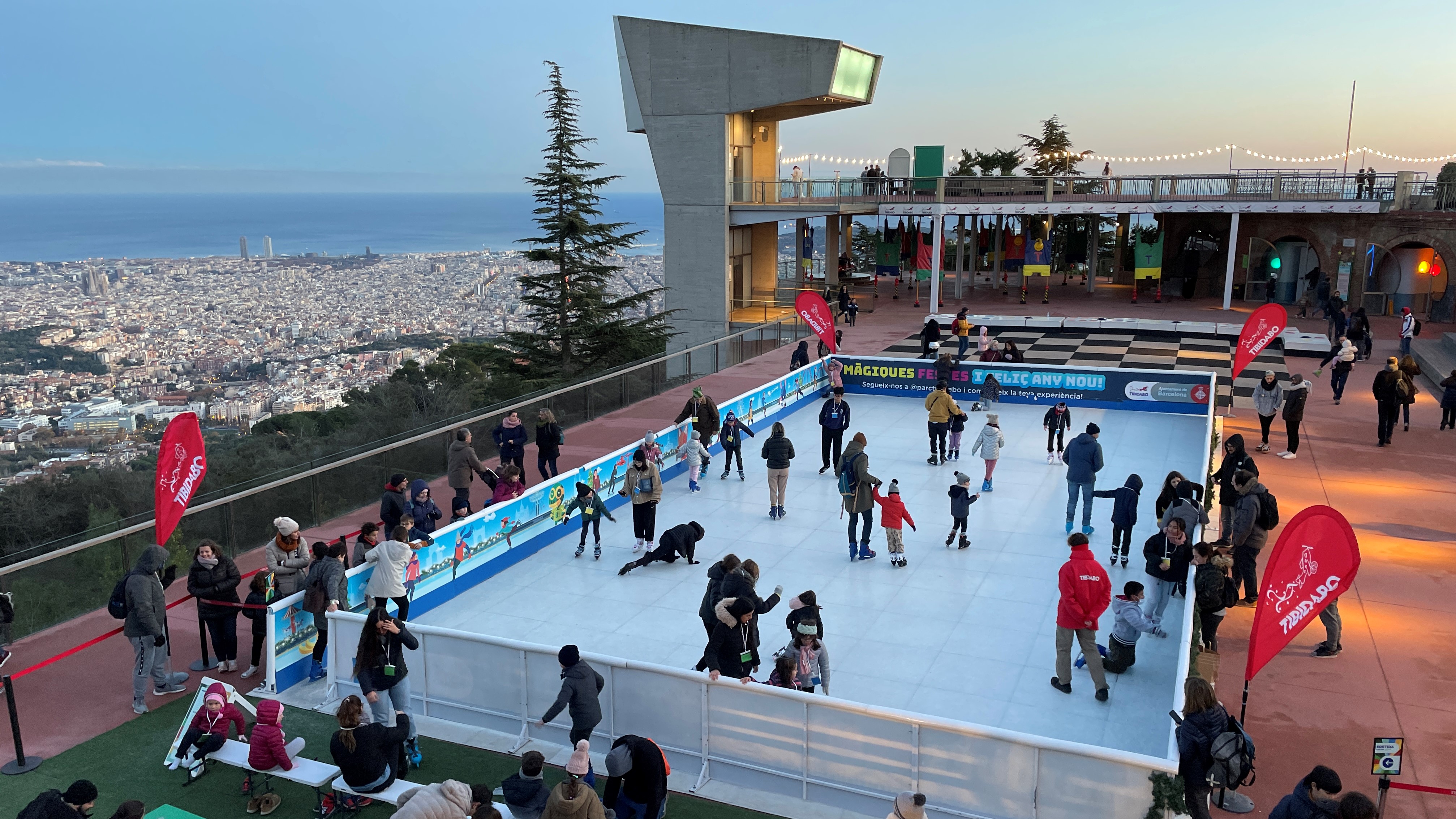
Tibidabo is celebrating Christmas from 25 November to 5 January, the park brimming with new activities for all its visitors. Plaça dels Somnis will be one of the star locations for the second year running, housing a synthetic ice rink of 200m2, with enough space for 40 skaters at any one time. The rink is made of sustainable materials which require neither power nor water, and which recreate the experience of skating on ice. 

Access to the ice rink is included in the admission price for Tibidabo but there’s also a chance for people to use the rink without visiting the rest of the park, at a price of 5 euros. 

Gastronomy and family activities also take centre stage for Christmas at Tibidabo. The Lego Room at the park will be hosting a workshop with the master cake chef Christian Escribà on 2 December, offering TibiClub members a session on Christmas desserts. In addition, the park’s cake shop, the Pastisseria Escribà, will be offering Christmas-inspired products throughout the festive season.

New for Christmas

Dididado, the park's 4D cinema, is another attraction over the festive season at Tibidabo. The new film Sleigh Ride follows the adventures of Father Christmas and his helpers on the night of 24 December. Elsewhere, the puppet theatre will be presenting the new show Marionetarium de Nadal

Christmas is a season for returns too. The Krüeger Hotel is again the Christmas residence for the famous Krampus, the wicked character we only get to see at this time of the year.

This Christmas brings the 9th edition of Tibidavis, on 16 and 17 December. The over 60s can access the park for free with two grandchildren over that weekend. 

Besides the rides and shows, Tibidabo will be devoting the Christmas season to solidarity and peace too. Over the festive season the Robotics Room will be offering a temporary exhibition on children’s rights, jointly organised with UNICEF Catalonia. 

The amusement park will also be hosting one of the most moving solidarity events of the year,the Cançó de Pau, or Song of Peace, now in its 26th edition and to be held on 27 December. Under the slogan “We all want peace, we want no more wars”, the song calls for peace around the world and conveys to children values such as tolerance, solidarity and respect. The event features the nun, Sor Lucia Caram, the businessman, Enrique Tomàs, and the children's story writer, Anna Lauradó, as ambassadors. 

Tibidabo celebrates Christmas with a sustainable ice rink, new shows and festive desserts
Read the note
Fecha de publicación
News or press release?
Press release
Etiqueta
Imagen destacada
Imatge
Cuerpo

The Zoo de Barcelona is offering a total of seven learning experiences, adaptable to different school levels, which cover subjects such as zoology, biology, ecology, biodiversity conservation and animal welfare      

It is also opening new educational spaces, including a laboratory and a room adapted to nursery-school pupils   

This new education plan is part of the Zoo's progress towards becoming a leading centre for biodiversity conservation and the promotion of respect for nature and the environment 

The Zoo de Barcelona is presenting a new educational series for primary and secondary schools, with the goal of raising awareness about the need to protect nature. This is a further step in Barcelona Zoo's process of becoming a biodiversity conservation centre and helping to raise awareness of the importance of caring for nature and the environment.

More specifically, this new educational project consists of a series of participation-based activities whose main goal is to help students reconnect with nature and influence their habits, acting as catalysts for change towards a society that is more respectful towards biodiversity and more active in defending it.

There are a total of seven activities, run by Zoo educators and following a practical STEAM methodology involving various subjects and dealing with real-world situations. The subjects include biology, ecology, zoology, biodiversity conservation and animal welfare, with special emphasis on local, native and endangered fauna. The activities can be adapted to any age group, from nursery-school to secondary-school students. 

The resources used in these activities include everything from microscopes to models of various natural planetary environments, samples of typical Mediterranean woodland features, and toy animals and plants, among others.

Coinciding with the launch of this new educational programme, the Zoo has also opened new educational spaces, namely a multi-purpose room, a laboratory and two classrooms, one of which has furniture adapted to nursery-school pupils.  

A groundbreaking team of educators in Spain

Founded in 1975, Barcelona Zoo's Department of Education is one of the first such departments in Europe and the first in Spain. From the very beginning, it has focused on officially recognised schools and all anyone interested in animals and nature. The Zoo School has helped to train a number of the country's experts in zoology and natural sciences, furthering many careers. Its educators work as a team, following a joint strategy to conserve biodiversity by harnessing zoos and aquariums' enormous potential for sharing knowledge and raising awareness. At an international level, they are all members of the International Zoo Educators Association (IZE) and the World Association of Zoos and Aquariums (WAZA). At a regional level, they are grouped under the umbrella of the European Association of Zoos and Aquariums (EAZA) and the Iberian Association of Zoos and Aquariums (AIZA), allowing them to constantly deepen their knowledge of this field and adapt to changing realities.

The Zoo is a biodiversity conservation centre and a leading facility for raising environmental awareness 

The Zoo de Barcelona new education plan is part of the New Zoo Model project, approved in 2019, which is based on species conservation, research and education. With these new activities, the Zoo furthers its commitment to decisively helping to raise awareness of the need for everyone to help protect nature and the environment. 

The Zoo's new educational and awareness-raising programme is supported by an information campaign that makes a visit to the Zoo more than just time spent observing a set of installations with animals, but rather a comprehensive, stimulating experience that helps people to gain new knowledge and invites them to take action. This campaign will be shared on the Zoo's website, blog, social media and all other communication channels.  

The Zoo de Barcelona launches new activities to promote understanding of biodiversity 
Read the note
Fecha de publicación
News or press release?
Press release
Etiqueta
Imagen destacada
Imatge
Cuerpo

The agreement was formally signed on World Children’s Day 

Over the last 11 years, this collaboration has enabled over 100,000 children in Madagascar and Guinea Bissau to go to school, and over a hundred schools to be built

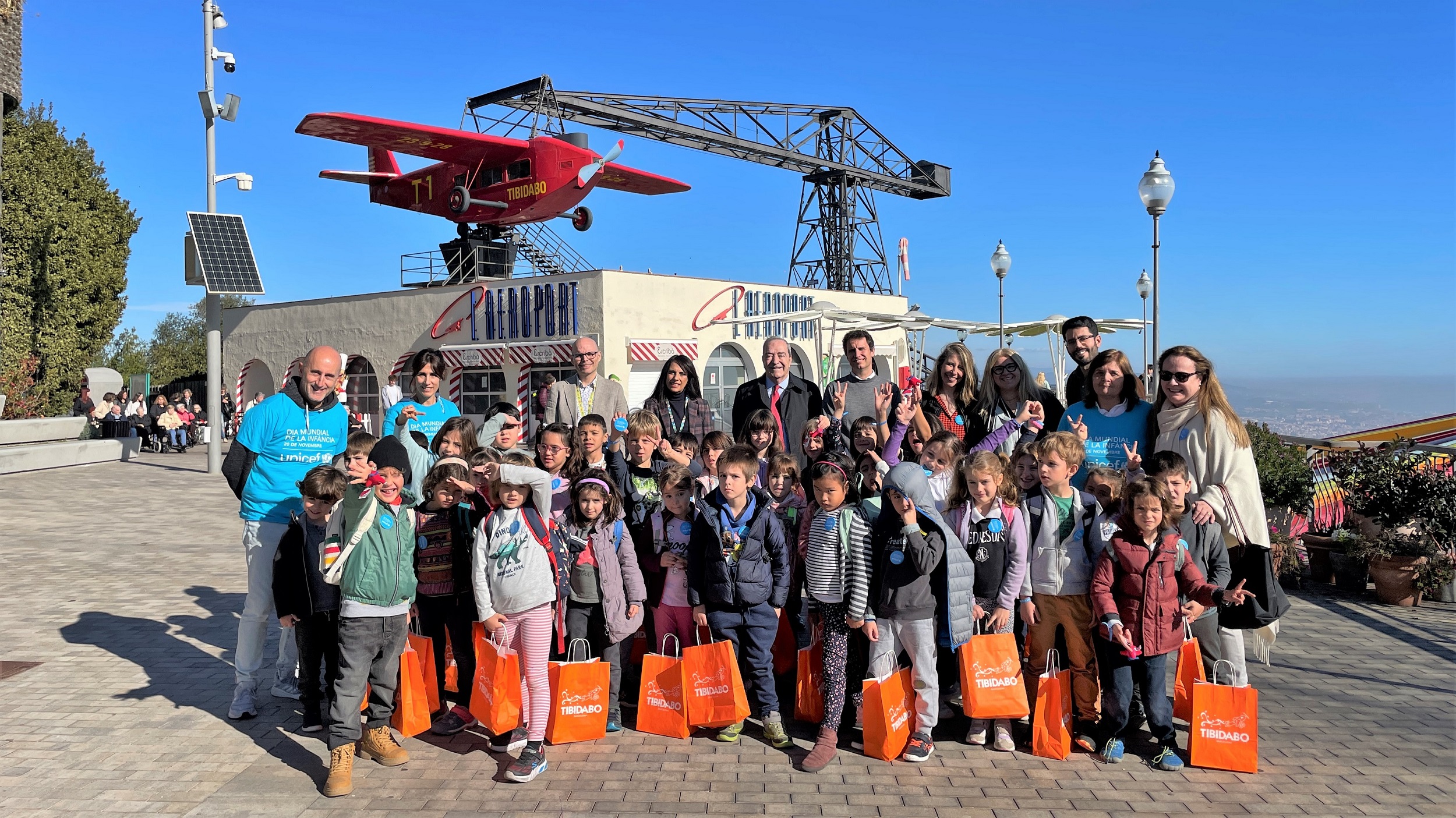
The Parc d’atraccions Tibidabo and UNICEF are continuing their collaboration projects to promote and defend children's rights. Coinciding with World Children’s Day, the two organisations today renewed an agreement that dates back to 2012 and has made it possible to launch various programmes for children. The ceremony, which highlighted the joint work carried out over the past 11 years of collaboration, was attended by the Tibidabo’s director, Rosa Ortiz, and the chair of UNICEF Catalonia, Jaume Lanaspa. 

During these years, the partnership has focused on guaranteeing the right to quality education for children in Madagascar and Guinea Bissau. It has enabled over 100,000 children to be schooled, and over a hundred schools to be built. 

Participants at the ceremony to sign the agreement also included children in their first or second year of primary school at the Escola Nou Patufet, who offered a look at the children's rights mural they have been working on in the classroom. The work is part of a project that nearly 10,000 children from 93 Catalan schools have been working on to mark World Children’s Day.

In addition to renewing the collaboration agreement, Tibidabo will be offering an exhibition on children's rights in the CreaTibi Robotics room over the coming months. 

A Tibidabo committed to education and children’s rights

The agreement with UNICEF Catalonia is one of the projects through which Tibidabo shows its more caring and educational side, with an impact beyond its facilities. The park maintains its model of collaboration with non-profit organisations to stand up for children's rights and education for students in vulnerable situations, among other things. This year, Tibidabo has also hosted 69 educational events, such as the STEAM activities jointly organised by BSM and the UPC, Fisidabo and the first ‘Mes de la Física’, which nearly 7,000 students took part in.

Tibidabo and UNICEF Catalonia renew their collaboration agreement on children's rights
Read the note
Fecha de publicación
News or press release?
Press release
Etiqueta