Imagen destacada
Imatge
Cuerpo

World experts from the scientific and zoologic community will debate about the conservation of this reptile on 5 March in Barcelona

Barcelona Zoo is involved in the conservation programme (EEP) of this species, organised by the European Association of Zoos and Aquaria (EAZA)


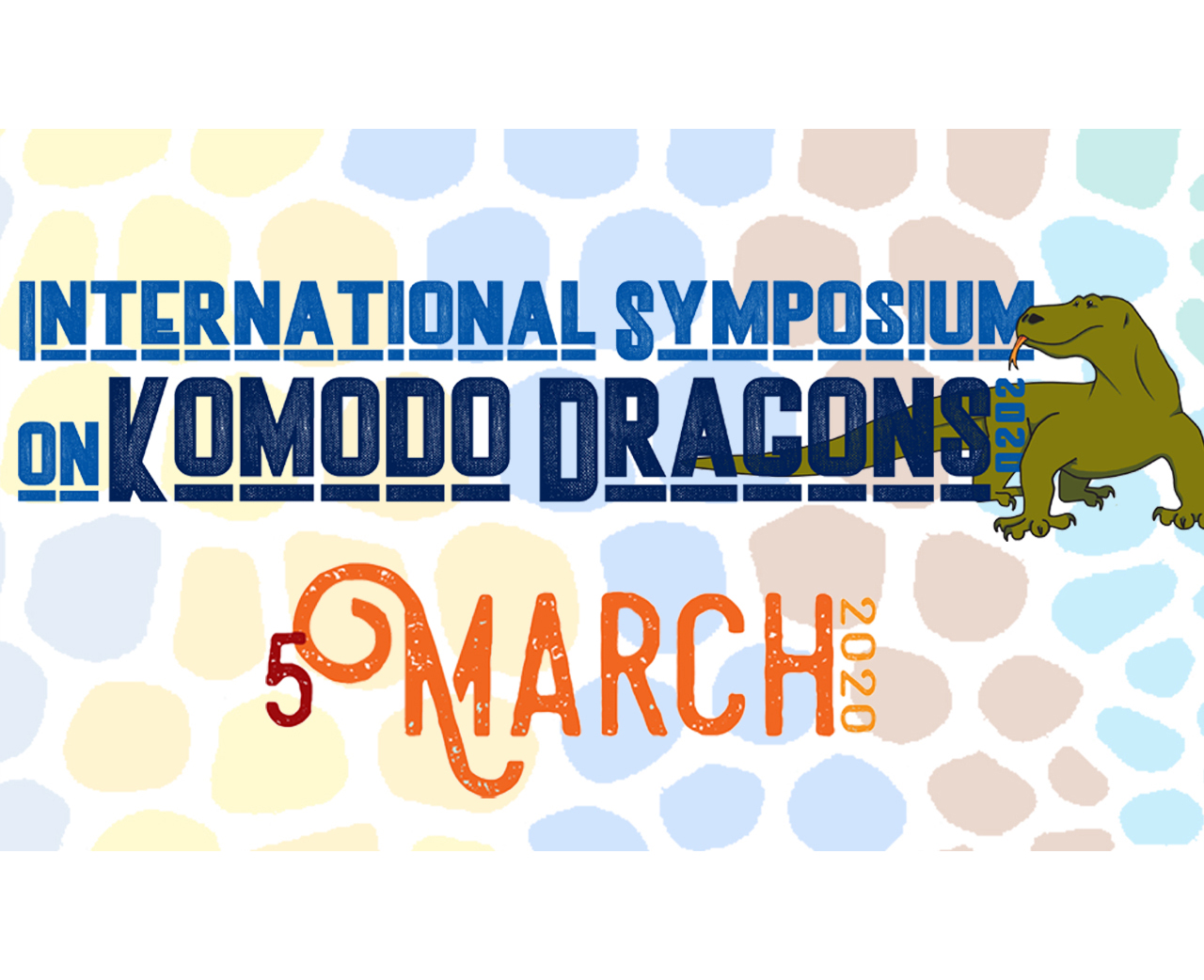
The Barcelona Zoo Foundation is organising and sponsoring a day of debate about conserving the Komodo dragon, in which experts from the scientific and zoologic community will pool their good practice experiences and management systems for the conservation of this reptile, considered to be the largest lizard in the world. The speakers will be presenting the latest developments, updated knowledge and future of the conservation of the Komodo dragon, in addition to discussing the well-being and significant pathology of this animal, which acts as a kind of umbrella species in conserving its habitat and the rest of the species that share it. The participants include Achmad Ariefiandy, co-founder and Project Manager of the Komodo Survival Program, Dr Tim Jessop, teacher at Deakin University, Dr Xavier Manteca, teacher of Animal and Food Science at the Autonomous University of Barcelona, Williem Schtaftennar, veterinary consultant with more than 25 years’ experience at Rotterdam Zoo, and Dr Gerardo Garcia, inferior vertebrates and invertebrates keeper at Chester Zoo, expert in the conservation of reptiles and amphibians and ex-member of the team of professionals at Barcelona Zoo. The workshop will take place at the Official College of Veterinaries of Barcelona (Av. República Argentina 21-25) and admission is free with prior registration. 

The Komodo dragon, a threatened species The current population of the Komodo dragons is estimated to be between 5,000 and 6,000 animals and, despite more than half of them living within the limits of the Komodo National Park, which includes most of the islands inhabited by the species, all the studies conducted in recent decades show that their numbers are progressively declining in their area of distribution. The reasons for this fall in numbers have human origins: habitat destruction caused by the transformation of natural areas into croplands, population fragmentation caused by the creeping expansion of urban centres, a decrease in the availability of prey due to excess hunting, and even the illegal traffic of specimens as pets.
This is a threatened species, catalogued as vulnerable on the International Union for Conservation of Nature (IUCN) red list. Furthermore, the European Association of Zoos and Aquaria (EAZA) have included the Komodo Dragon upon consolidating a European Endangered Species Programme (EEP), in which Barcelona takes part, with the aim of working jointly on the conservation of this species.


The Barcelona Zoo Foundation is organising an international symposium about the Komodo dragon
Read the note
Fecha de publicación
News or press release?
Press release
Imagen destacada
Imatge
Cuerpo

Next Saturday 7 March marks the start of the 2020 season with new educational activities based on robotics and a new trampoline installation

The international artist Pep Bou will be putting on his new show Bombolles al Cel every weekend in April and over the Easter break

The visitor experience will be enhanced with a new mobile app of the Park and, in the summer, the creation of a new Client Services Office in Pl. Kennedy

The Park once again renews its social commitment with 18 solidary days planned for this year with entities such as the Soñar Despierto Foundation and Unicef


The new season at Tibidabo Amusement Park will start on Saturday 7 March and will revolve around the Park’s four strategic axes: the visitor experience, education, solidary acts and environmental sustainability. Along these lines, there will be new activities including Pep Bou’s Bombolles show and the new trampoline attraction, while some already consolidated ones will be maximised, including the didactic robotics activities and the Fisidabo educational project. What’s more, the Cuca de Llum, the new funicular railway, is planned to be completed this year and will be integrated into the Park as an added attraction.

To optimise the visitor experience, the new mobile application, available for iOS and Android, will also come into operation. With this application, visitors will be able to better organise their time in the Park with an interactive map which will give them an accurate estimate of waiting times, and through which they can buy their entrance tickets, consult the agenda of activities and access all the information they need about the Park. The app, which will become available in the summer, will also have special content for TibiClub members such as alerts, special offers and access to their private area.
Shows, films and sensorial experiences. The main novelty this year in the programme for the new season at Tibidabo is the participation of the acclaimed mime artist, Pep Bou. With a great track record, he has not only performed on stages all over the world, but he has also been awarded a dozen international accolades during his career. Bou comes to Tibidabo every weekend in April and on the special opening days over Easter with his show ‘Bombolles al Cel’, which will take place in the Cel building in the Panoramic Area. A journey to a poetic, dreamlike world in search of the beauty concealed in soap bubbles, combined with light and music.
Another novelty this season is Jumping with the Family, which consists of 10 new themed trampolines designed for family fun. The smallest visitors will be able to enjoy this attraction with family and friends who are at least 140 cm tall. The mascots will also play a more prominent role this year with a new meeting point, a more intimate format which will bring Ti, Bi, Da and Bo closer to the little ones with time for a hug, making their day at the Park even better. What’s more, they will be joined on their summer parade by a more extensive artistic team who will delight everyone and make them dance even more than before. Geronimo Stilton and Estiu Làser’s classic shows will be adapted this new season and will relay an awareness-raising message and make a call to respect the planet. Interactibi will premier the film ‘Carnival’ and 4D Dididado cinema will premier ‘Journey to the Moon’ and ‘Max’s Adventures’, while the Marionetàrium will present a new show called ‘The Puppet’s Symphony’ A good way to enhance your experience at the Park is to take one of the new guided visits on offer, a cultural and family activity that has been in huge demand among visitors, where you will find out the history, interesting facts and anecdotes about this one hundred-year-old park. The visits are around 40 minutes long and you can decide to take one on the day you visit the Park. And once again, small groups of visitors will be able to visit the Torre de Collserola viewing point. Educational projects: creating scientific vocations In terms of education and to promote new ways of learning, this year the Park will host the 3rd edition of Fisidabo 2k. It will take place on 15 May and, in collaboration with the Degree in Physical Engineering of UPC’s Higher Technical School of Physical Engineering and Ciència 360, Tibidabo Amusement Park will be transformed into a huge laboratory for more than 2,000 4th year compulsory secondary school (ESO) and upper secondary school (Baccalaureate) pupils, who will be able to do different physics experiments using the Park’s attractions. The Fisidabo Hipàtica project is also developed within the framework of Fisidabo. Now in its 8th year, this initiative enables three groups of Science and Mathematics CELLEX International Baccalaureate students to carry out experiments in the Park which they themselves have created and designed. On previous occasions, some of the projects tested by students in the Park have had an international impact and have even been published in the prestigious European Journal of Physics. These are projects based on the STEAM culture, which stands for Science, Technology, Engineering, Arts and Mathematics, and refers to all the educational activities and initiatives embraced by these disciplines. Along similar lines, the Park will also be hosting Fisidabo LabShow, a weekend when the Fisidabo activities are open to the public so that they can experience STEAM culture, with different participatory activities and workshops that have been created based on the specific primary school curricula content.
 
The emphasis will also continue to be placed on didactic activities in the area of robotics, with the start of the second phase of the Creatibi Robòtics space. The objective is to broaden the range of robotics activities, in this case with the specific methodology of LEGO® Education, and to introduce new content to kindle children’s interest in design and engineering. These activities will be automatically included in the Park’s entrance ticket to ensure that the maximum number of children will be able to take part. Improvement to accessibility: a new funicular railway With the old Funicular railway wagons put into disuse in September 2019, the work to get the new Cuca de Llum onto the tracks is still in progress. It will come into operation at the end of 2020 and will be integrated into the Park as an added attraction. The new wagons will be modernised to adapt to current needs and their operation improved, with an updated security system and a totally new, personalised design that will substantially improve the user experience, given that they will be able to interact with the attraction. With a capacity for 252 people, the interior of the funicular will be freed up to increase the available surface area and transformed into an open-plan space to ensure the best possible visual permeability inside. This way, the attraction will allow visitors to enjoy bigger and better panoramic views during the journey, thanks to the large windows. Both the interior and exterior lighting will also be improved along a more modern and futuristic line, the effect of which will be augmented when it gets dark outside. While the Cuca de Llum work has been under way, and in the absence of a funicular railway, a new mobility plan has been created, making available three ecological shuttle buses adapted to people with reduced mobility, which take visitors directly to the Park. T2A: Tibibus from Plaça Catalunya.
T2B: Tibibus from Parking B:SM Sant Genís.
T2C: Funibus from Pl. Kennedy. What’s more, this summer a new tourist information and services office will open on Passeig de Sant Gervasi, near to shuttle bus T2C, which will become a new gateway to the amusement park and will be open every day. This new access will enable visitors to buy their entrance tickets, organise their day better, become a Tibiclub member and much more before they set off on the climb to the summit of Tibidabo on the shuttle buses. Social commitment Tibidabo Amusement Park is a socially committed park which year after year strives to develop different solidary projects and initiatives. Last season, up to 18 cultural, social and solidary days were hosted at the Park in which more than 110,000 people took part, and 6,700 grants were given to children at risk of social exclusion. A total of 18 social events are planned to be held at the Park this coming season, including the traditional festivals Un cop de mà, Estiu Sense Barreres, Festa dels Avis and Cançó de Pau. Different non-profit organisations will be collaborating with these 18 solidary events and festivals such as the Soñar Despierto Foundation, Pallapupas and Unicef, with whom Tibidabo has been collaborating since 2012.
The Park’s social commitment is also evident with the celebration of Health Habits month in November, when there will be more activities on offer for Tibiclub members. The programme of healthy eating workshops will continue with the collaboration of the Alícia Foundation, and a new workshop about sport and health will also be incorporated, brought to us by a new collaborator, the Claror Foundation.
Record attendance Attendance figures for Tibidabo Amusement Park for 2019 stayed at record levels, with a daily average of 4,726 visitors over the 152 days the Park was open, representing a total of 718,326. A total of 719,068 visitors were welcomed to the Park. The figure for TibiClub members stood at 22,301 families.

Tibidabo starts the season with plenty of new experiences
Read the note
Fecha de publicación
News or press release?
Press release
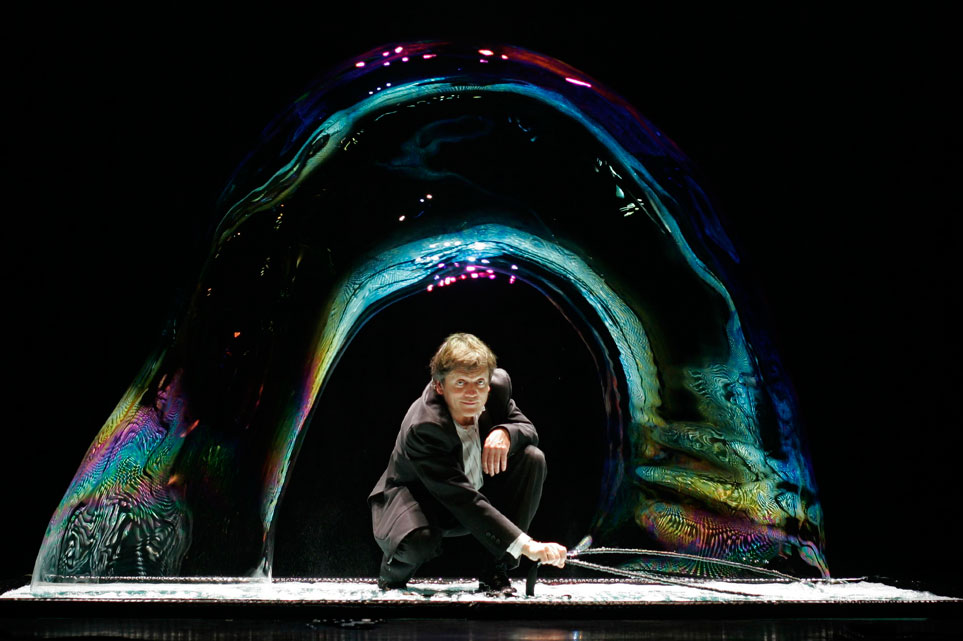
Imagen destacada
Imatge
Cuerpo

The municipal government brings together the organisations and stakeholders linked to the area to discuss the next actions to be carried out now that the Generalitat's delegation of responsibility for the Olympic Port to the City Council has come into effect

In July, 18 months of work will begin on the protective sea wall to solve the problem of the waves breaking over it and to improve safety, with an investment of €10.66 million

During the second half of 2021, work will begin to reinforce the Municipal Sailing Centre's sea wall and to build the new entrance to the Olympic Port, which will connect Av. Litoral with the lower part of the Moll de Mestral coast


Municipal management of the Olympic Port has begun and is now fully operational. This Wednesday saw the first meeting of the Monitoring Committee since the Government of Catalonia's delegation of the area's direct management to the City Council came into force. A new era led by the City Council thus begins, with the implementation of a new management model and the complete transformation of the area, established in the Strategic Master Plan which was unanimously approved by the Full Council Meeting in October 2018.

This roadmap aims to completely renovate the port to integrate it into the city, improving its infrastructure and establishing a new model for uses and activities which moves away from night-time leisure activities, prioritising instead the blue economy, sport and local restaurants.

Today, the Monitoring Committee was led by the Deputy Mayors Jaume Collboni and Janet Sanz, with the participation of representatives from various municipal government areas, including Urban Ecology, the Barcelona Sports Institute, the Department of Tourism and the Districts of Sant Martí and Ciutat Vella, along with the municipal political groups, Port Olímpic de Barcelona, SA (Pobasa), the Barcelona Federation of Local Residents Associations, the Olympic Village and Barceloneta Local Resident Associations, the Association of Olympic Port Bars, Restaurants and Leisure Establishments (Abroport), the Barcelona Restaurateurs' Guild, the Club de Mar Port Olímpic and the port's mooring-service providers.

The schedule for the most pressing and top-priority actions established in the plan was discussed. The first is the protective sea wall, where improvements will be made to ensure safety and the proper functioning of the port, and to solve the problems of waves breaking over it during the easterly storms that have occurred in recent years. The project will soon be put out to tender, so that work can begin this summer and be completed within 18 months, with an investment of €10.66 million. Action will be taken to reinforce the protective sea wall, which is 520 metres long, and the four underwater dykes that protect it on the seaward side, given that inherent instability in these dykes has been detected. The intervention will have minor visual and aesthetic impact, and the solution to be adopted will mean improvements in terms of maintenance and any possible future repairs.

The Sailing School sea wall will also be improved with potential storms in mind, given that some instability on the outward-facing side of the breakwater has been detected. It will be extended and strengthened with a layer of reinforced concrete blocks. This involves an investment of €520,000. The work will begin in the second quarter of 2021 and should be completed within two months.

Work on the new Olympic Port entrance, which is included in the master plan, has also been scheduled. It involves a new connection between Av. Litoral and the lower level of the port’s Moll de Mestral. It will replace the existing vehicle ramp on Moll de Marina. The new entrance will also serve the car park on Av. Litoral, run by Barcelona de Serveis Municipals (BSM). This involves an investment of €3.34 million. Work will begin during the fourth quarter of 2021 and will be completed in around 10 months.

Areas of action

Integrating the Olympic port into the city is one of the main objectives of the municipal government's new model for the Barcelona coastline, which aims to improve city-port connectivity and accessibility and resolve the problems detected.

In recent years, the Olympic Port has been gradually moving away from the uses traditionally associated with a port, which have kept city residents from frequenting the area. To this effect, the new model for uses and activities is clearly committed to:

  • The diversity of sports activities linked to the sea
  • A place where boats are part of the city's portfolio of leisure and sports activities
  • A gastronomic area with a local, Mediterranean character.
  • A space for disseminating information, training and experimentation.
  • An area that is open and accessible to city residents.
In short, the idea is to turn the port into a place that is inviting for city residents, with nautical, sport and informative activities as cornerstones, and new venues linked to economic promotion and the fostering of the blue economy. To implement this new model, existing spaces and buildings must be adapted, including the expansion of the Municipal Sailing Centre, located at Moll de Gregal, and the construction of a new Municipal Nautical Sports Centre at Moll de la Marina. This new facility will have an entrance from the new pedestrian area on the Marina hub and from the beach level.

A new Sea Knowledge Information Centre is also planned to be built in response to requests from environmental organisations, which will be used to foster knowledge about the coastline among city residents.

On Moll de Mestral, the current night-time leisure area will be reprogrammed, opting instead for nautical uses that foster the blue economy for the future Olympic port. Consequently, in the near future, the licenses in force for the night-time leisure establishments will soon be discontinued -they expire at the end of April - and new authorisations connected to nautical uses will be prepared and processed.

At Moll de Gregal, there will be a Mediterranean cuisine restaurant area that has a local character linked to the sea.

This project also involves the complete renovation of the public areas, almost doubling the public space available to city residents. This transformation will greatly improve the quality of the port, making it more open and permeable, and with greater connectivity between its levels. These lines of action aim to recover public space for pedestrians while minimising the presence of vehicles, and with bar terraces enclosed under awnings.

Therefore, the current space for pedestrian use of 23,838 square metres (6,045 m2 on the upper level and 17,793 m2 at sea level) will increase to a total of 48,616 square metres (20,790 m2 on the upper level and 27,826 m2 at sea level).

Some of the projects included in the transformation, but which still have to be defined and scheduled, are:

  • A large pedestrian area on the Marina breakwater.
  • Connectivity with the Olympic Port park will be improved along the Olympic Village -Moll de Gregal hub to create greater permeability between the neighbourhood and the port.
  • Improvements to the Municipal Sailing Centre’s entrance, with a new promenade in the form of a ‘rambla’ [promenade] leading to the sea wall.
  • Eliminating the bar terraces on Moll de Mestral, facilitating the change of use, and reorganising the bar terraces on Moll de Gregal, moving them adjacent to the building façades.
  • A new connection between Av. Litoral and the lower level of the Olympic Port, replacing the Marina vehicle ramp, and a new connection with Moll de Marina between the beach level promenade and the northern end of the port (already scheduled).
  • The parking places will be reorganised at the port level. Surface parking places will be limited, with parking moved to underground car parks.

The Olympic Port transformation project involves an investment of €39 million, which will be used to finance the planned improvement work on infrastructure and the adaptation of public areas. The budget does not involve any extraordinary expenditure for the City Council, given that it will be financed with the income generated from commercialising the premises and port moorings.

A new model of governance for the Olympic Port


The delegation of responsibility for the Olympic Port to the City Council will be for a period of 30 years. During this time, it will be recovered as a space for city residents, heightening its value and singular nature and increasing its social return.

Given the complexity and the high number of operators involved in the port, the new model will be coordinated by a Governing Board as the highest organ of government, with a clear vocation for political leadership. This Governing Board will be chaired by the Second Deputy Mayor's Office and will consist of the First Deputy Mayor's Office and its economic, commercial and catering areas; the Councillor's Office for Sport, given the predominance of sporting activities planned for the Port; and the District of Sant Martí, given its territorial connection. The municipal services needed to ensure the smooth running of the Olympic Port will also be taking part.

The Monitoring Committee created during the previous participation process will be maintained to help the municipal groups, local residents and other stakeholders involved to collaborate on the model and evaluate the monitoring and management of the process. Work areas will also be created relating to the areas that must be tackled as the plan is being implemented.

In accordance with the Full Council Meeting agreement of March 2019, the municipal company Barcelona de Serveis Municipals (BSM) will carry out the management, exploitation, overall maintenance, adaptation, and administration of Barcelona's Olympic Port, implementing the activities and functions that correspond to Barcelona City Council and are not of an authoritative nature, in order to foster operational decentralisation.

Regarding employment, Barcelona Activa will also be activating a specific support plan for job seeking and professional improvement for Olympic Port and Moll de Mestral workers, given the permanent closure of night-time leisure establishments and/or the temporary closure of catering activities during the period of construction work, which will put their activities on hold, until the workers are replaced by start-ups. This “new placement” plan will be coordinated by Barcelona City Council, with the aim of mitigating the personal and social impact that this type of situation involves, supporting the people seeking jobs or trying to improve their professional skills, using municipal resources and, where necessary, providing them with job reorientation and improving their networking skills.


First meeting of the Olympic Port Monitoring Committee with full municipal management
Read the note
Fecha de publicación
News or press release?
Press release
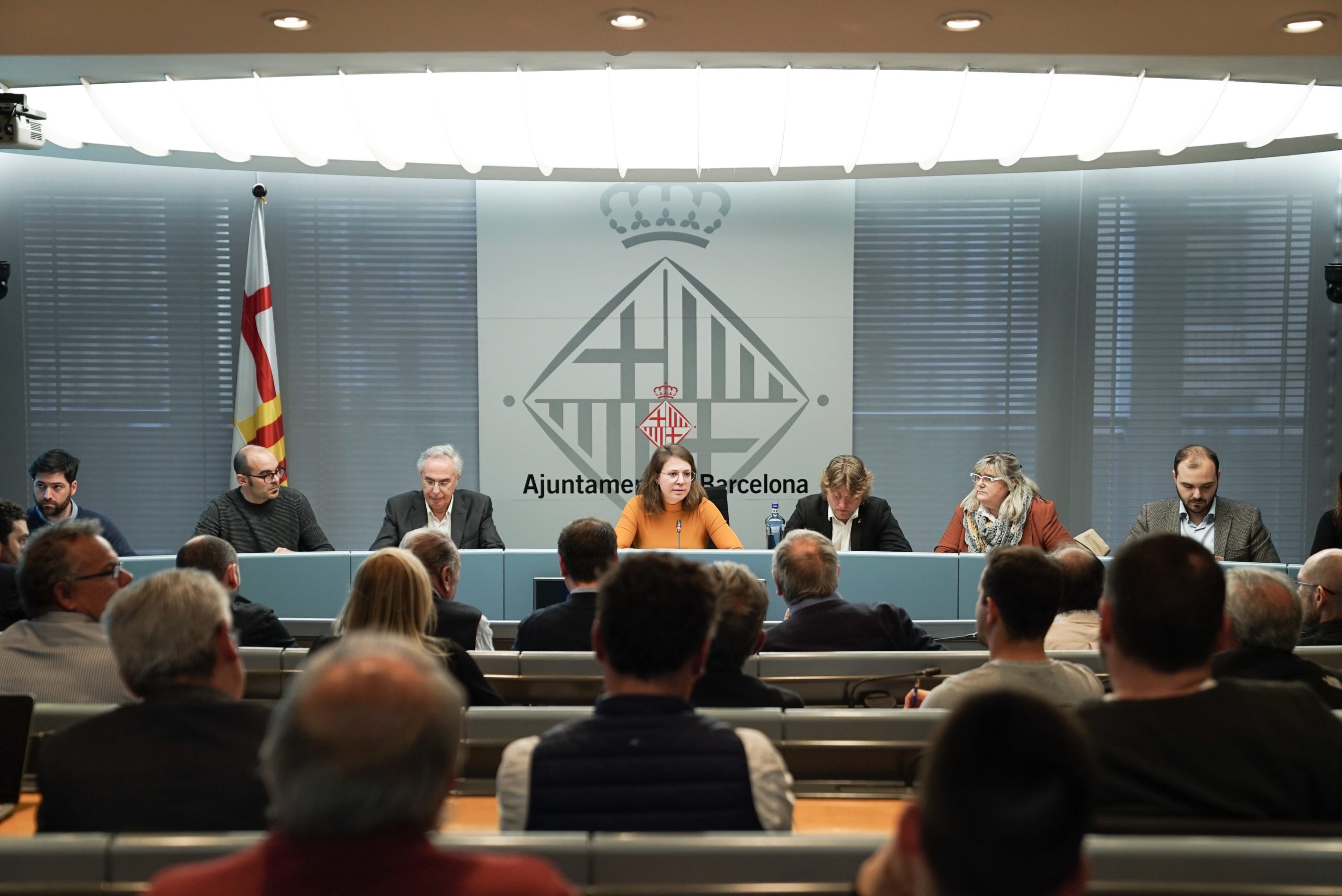
Imagen destacada
Imatge
Cuerpo


Information sessions are to start this March on the new mooring offers available under the Olympic Port’s new management, which will be taking over on 3 April this year.

The sessions are as follows:
•    Information session for professional mooring (charters, training schools, etc.) on Monday, 9 March at 6 pm

•    Sessions for individual mooring
- Tuesday 10 March at 6 pm.
- Wednesday, 11 March, at 6 pm
- Saturday 14 March at 11 am.

The sessions will last approximately one hour.

Location
All the sessions will be held in the Auditorium at the Espai Veïnal, Calàbria 66 (2nd floor)

Confirmation
Please confirm your attendance by emailing portolimpic@bsmsa.cat (click here) or by calling 938 875 034, stating your name and the session you will be attending. Form Click the links below to download the form prior to the formalization of the contract for the transfer of mooring of the Olympic Port of Barcelona. Form - Individual Form - Professionals
Information sessions on mooring at the Olympic Port
Read the note
Fecha de publicación
News or press release?
Press release
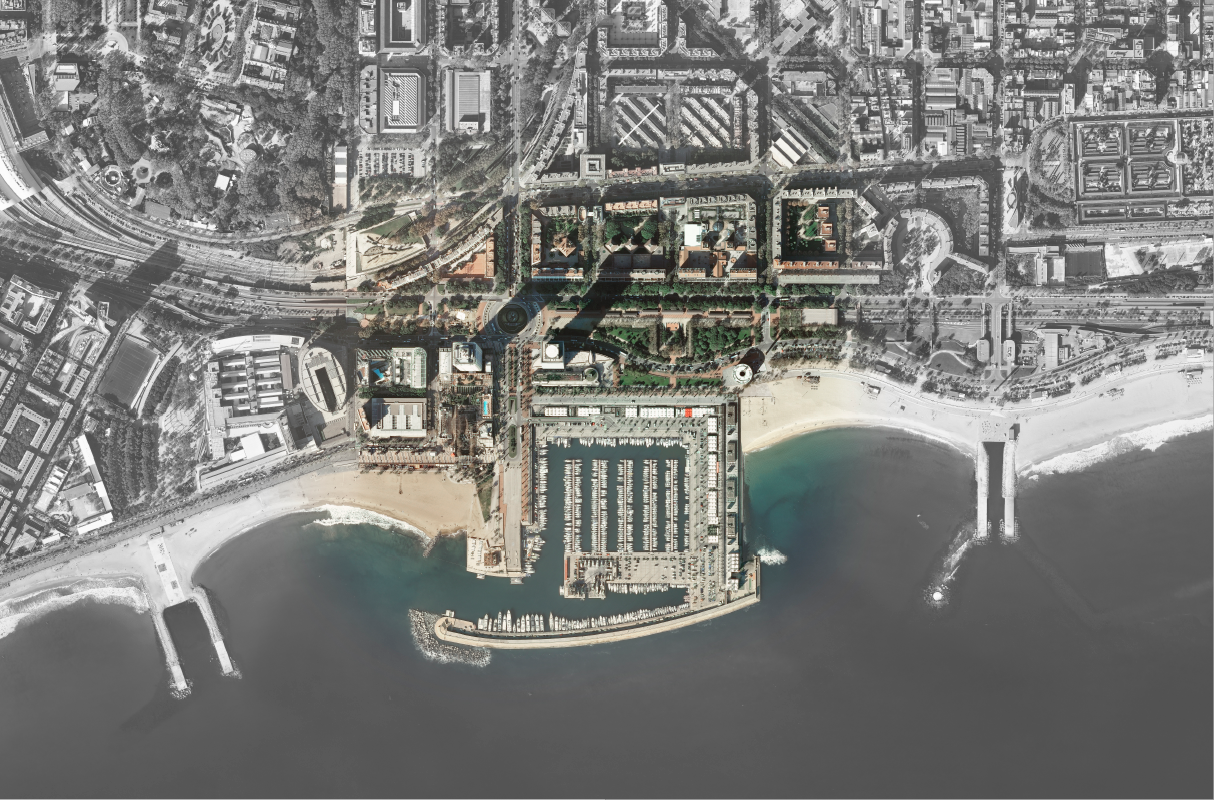
Imagen destacada
Imatge
Cuerpo

The final act of this initiative will be a networking dinner organised by Barcelona de Serveis Municipals (BSM) and Barcelona City Council

Taking part in the event will be Miqui Puig and the Casa Azul, thanks to the Primavera Sound festival’s musical curation

 
On 26 February the final event of the Tech Spirit Barcelona initiative will be taking place at the Palau Sant Jordi, an event organised by Barcelona de Serveis Municipals (B:SM). The ceremony will include a networking dinner, open to 1,300 people who have attended the meetings over the last few days for the exchange of technological expertise and entrepreneurship.

The evening event, which kicks off at 8 pm and finishes at 11 pm, will be complemented with a music session from the Primavera Sound festival. This music event from the Barcelona festival will bring local (and cosmic) music talent to the Sant Jordi Club, thanks to Guille Milkyway and the interstellar songs that have been orbiting the La Casa Azul since 1997. One of the best pieces of news from the world of music in 2019 was the return to our galaxy of the Barcelona-based producer and DJ, whose La Gran Esfera added a new collection of brilliant electropop to classic anthems such as La Revolució Sexual.

Ahead of this trail of catchy tunes and joining in the pop festival, another kilometre zero revolutionary, Miqui Puig, will be providing the warm-up. The legendary leader of Los Sencillos, who managed to get an entire country onto the dance floor, will be doing the same with the audience at the Tech Spirit Barcelona's Closing Event this coming Wednesday. As for the dress code, astronaut suits and ties are equally acceptable, so long as they are combined with dance shoes.

TMB will be providing an extra bus service following the usual timetable for events held at the Olympic Ring.

Tech Spirit Barcelona, by entrepreneurs for entrepreneurs

Tech Spirit Barcelona is an impromptu initiative that came about following the cancellation of the 4YFN and the Mobile World Congress. It is organised by Barcelona Tech City, Barcelona City Council, the Catalan government, the Spanish government, ACCIÓ, Barcelona de Serveis Municipals, Barcelona Activa, Mobile World Capital Barcelona, the Zona Franca Consortium, the Barcelona Chamber of Commerce, among other start-up community institutions.

The event will be taking place in the city from Sunday, 23 to Thursday, 27; it was thought up as a unique opportunity for 2020 and is not meant to be an alternative to or substitute for other events. The Tech Spirit Barcelona will feature a series of activities and talks for promoting entrepreneurship, open to the local and international ecosystem, where networking meetings will be held between the entrepreneurs and international investment funds that had already planned to visit Barcelona on these dates.

The Palau Sant Jordi is to host the Tech Spirit Barcelona closing event featuring Primavera Sound
Read the note
Fecha de publicación
News or press release?
Press release
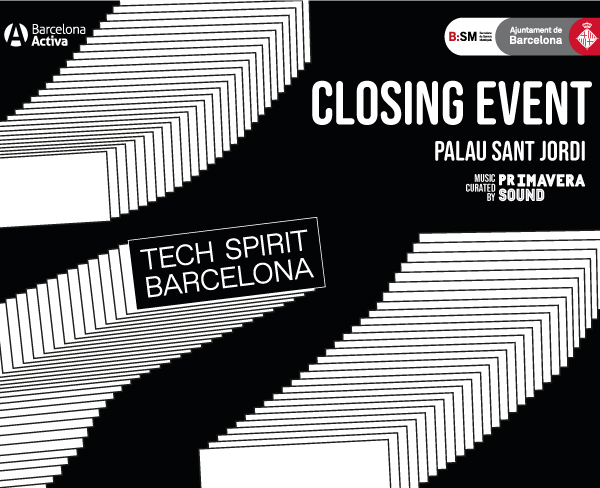
Imagen destacada
Imatge
Cuerpo

A new addition to the Rothschild subspecies of giraffe, who has been given the name Thembi, was born to Nuru on 10 February, and both mother and daughter are in perfect health

This new birth bears testimony to Barcelona Zoo’s commitment to the conservation and preservation of biodiversity and vulnerable or threatened species

On 10 February, Barcelona Zoo welcomed aboard a new baby Rothschild giraffe (Giraffa camelopardalis rothschildi), a daughter to Nuru, a 10-year-old giraffe who came to the Zoo from Emmem Zoo back in 2011. The new birth has been made possible thanks to the quality of the giraffes’ installations and the expertise of the zoo’s professionals in this species, creating conditions that guarantee their well-being. The new birth also serves to strengthen the networking among Barcelona Zoo and other zoos aimed at conserving and preserving biodiversity and ecosystems. The baby giraffe, accompanied by her mother, will be staying in one of the facility's special units for a few days before she joins the rest of the group. This will enable a team of carers to better ensure the needs of both mother and daughter. What’s more, the current giraffe installations meant that visitors were able to watch the birth of the baby giraffe without causing mother or daughter to feel any discomfort or sense of threat. Giraffes have a gestation period of between 450 and 468 days, generally giving birth to a single calf measuring almost two metres in height. In contrast to most other mammals, giraffes give birth standing upright or even while walking. During the first two weeks, calves spend most of the time lying down, protected by their mother. While adult giraffes are too big to be attacked by most predators, the calves can fall prey to lions, leopards, hyenas and African wild dogs.

The Zoo is involved in the European Endangered Species Programme (EEP) for giraffes, a species regarded as threatened by the International Union for Conservation of Nature (IUCN). Giraffes were once common throughout a large part of Africa, but the progressive desertification of their habitat caused by human activities such as deforestation, livestock expansion, agriculture and mining operations, climate change; poaching and the consequences of geopolitical conflicts affecting part of the African continent have all restricted their area of distribution considerably. Large populations can now only be found in national parks and other protected areas. The status of these populations and the anthropogenic pressure they face make it essential for members of this species to be kept in zoos, with the aim of creating a reservoir of more than 500 individuals that can be potentially reintroduced when conditions in their natural habitats make this feasible. In this line, Barcelona Zoo Foundation is involved in a collaboration project with the authorities in Niger geared towards the in situ conservation of the peralta giraffe subspecies, the most iconic giraffe in the Sahel, to ensure the feasibility of their reduced population numbers. This is a good example of the Zoo’s new strategic plan approved by Barcelona City Council, which defines several priority habitats to which the Zoo is committed. One of these is the Sahel, which is under serious threat from climate change and is key to halting the desert's advance to the south, where there are predominantly savannas and jungles. The Deputy Mayor’s Office for 2030 Agenda, Digital Transition, Sports and Territorial and Metropolitan Coordination, Laia Bonet, has signalled the birth of the new baby giraffe as another step forward for Barcelona Zoo in terms of nature conservation. “Working to conserve threatened or underpopulated species is essential to halt the loss of the Planet's biodiversity” she stated. Barcelona Zoo’s New Model is designed to make it benchmark for the conservation and preservation of biodiversity and animal welfare. This is why the Zoo is firmly committed to preserving biodiversity around the world through in situ and ex situ support and conservation projects, always prioritising working in the natural environment, in and for species’ habitats, given that the main reason for species extinction is the destruction of their ecosystems.
A new baby giraffe has been born in Barcelona Zoo
Read the note
Fecha de publicación
News or press release?
Press release
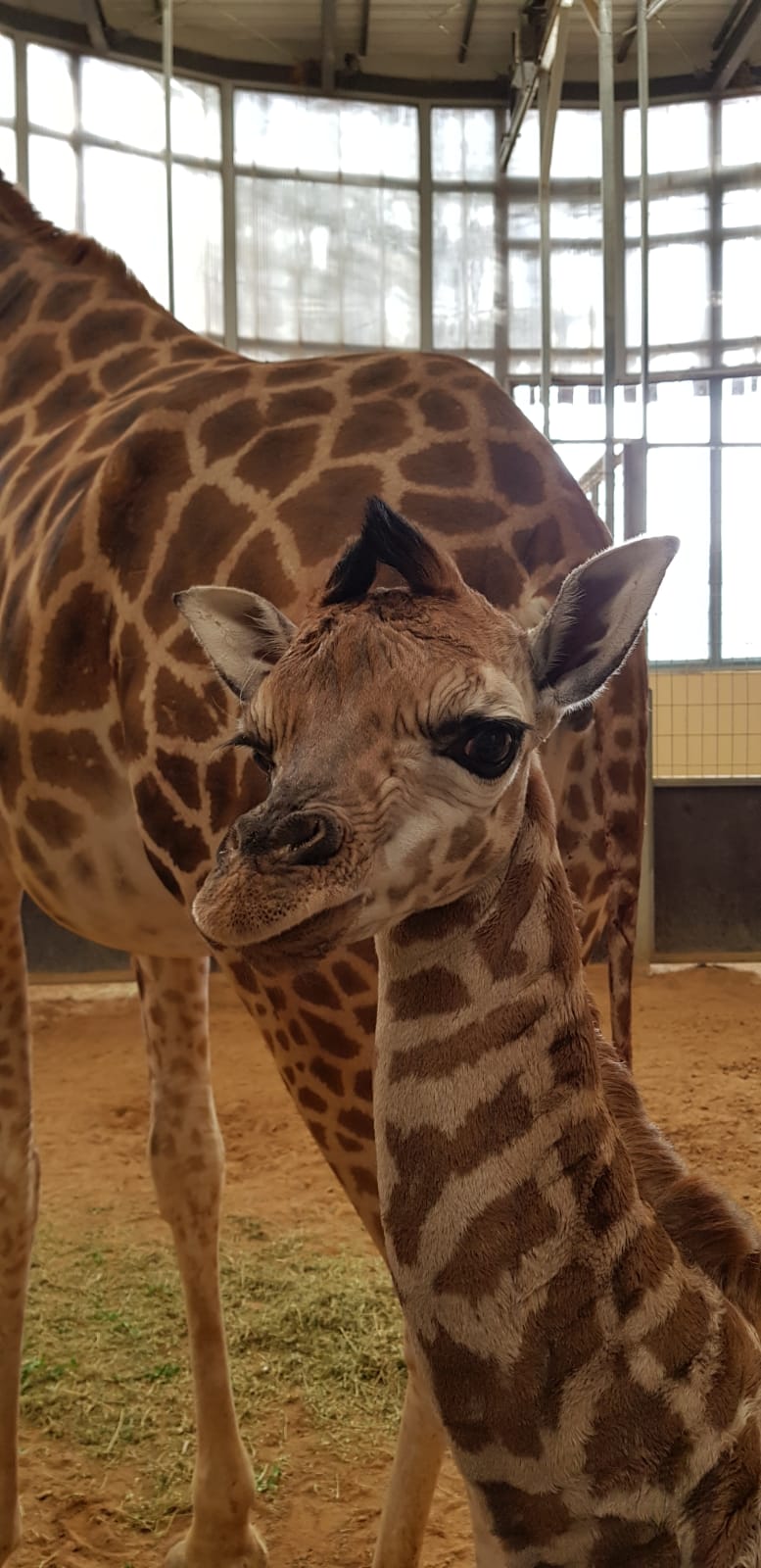
Imagen destacada
Imatge
Cuerpo

The students were able to experiment with different activities and acquire knowledge about various subjects, including Biology, Chemistry, Physics, Technology and Mathematics  

The session was organised by B:SM (Barcelona de Serveis Municipals), UPC’s Barcelona East Engineering School and Science 360, as part of a huge educational project

Visions – STEAM Fòrum is part of a much wider-reaching project that is testimony to the city's commitment to promoting STEAM culture, which will make Barcelona a hub for scientific-education innovation

The first edition of Visions – STEAM Fòrum was held today. This is an educational session for which the Fòrum was turned into an experiential park for 2,087 4th-year and sixth-form pupils from 42 different secondary schools. The students were able to carry out a series of activities associated with STEAM culture, an educational concept formed by the acronym for Science, Technology, Engineering, Arts and Mathematics, and referring to all educational initiatives that interrelate these subjects.

It is a joint project run by B:SM (Barcelona de Serveis Municipals), the Polytechnic University of Catalonia · BarcelonaTech (UPC), the UPC's Barcelona East School of Engineering (EEBE) and Science 360, which aims to provide students with knowledge in a flexible, accessible way, contributing creativity and innovation, but based on rigorously scientific principles.

Not only does this help to keep the students motivated, but it also takes the social aspect of the learning experience into account. Most of the Visions – STEAM Fòrum tests were thought up and designed by EEBE and UPC students, who also acted as assistants during the session, and were accompanied by Luis Carlos Pardo, a lecturer from UPC's Department of Physics, who is the coordinator of the initiative. It is therefore a session made by and for students, thus achieving an accessibility that further encourages the learning experience.
 
Using a cross-cutting approach, subjects which are difficult to explain inside the classroom due to their level of complexity were chosen, transforming them so that they could be explained in a more fun and entertaining way. In addition to promoting scientific and technological culture, the activities provided multi-disciplinary perspectives on a given subject, creating a dialogue between scientific methods and creative processes.

Visions – STEAM Fòrum hopes to repeat the success of Visions – STEAM Anella, which is holding its second edition on 2 April. Both sessions are part of a larger educational project, which together with Fisadabo 2K are testimony to the city's commitment to promoting STEAM culture and making Barcelona a hub for scientific-educational innovation.

15 experiments for five areas of knowledge

At the start of the session, all the students received a map showing the location of each experiment, which helped them move around the park freely and monitor the activities they were doing. The experiments were based on the curricular content of physics, chemistry, technology, biology and mathematics. The starting point for each of them was a story, which was later proactively added to by the pupils, which helped them to understand and internalise the concepts explained.

There were three experiments to do with Biology. First, the pupils learnt about the conductivity of materials through measuring the amount of salt in a cucumber and extrapolating the experience to the human body, and they also played the ‘ribosome game’, forming proteins and discovering how to analyse DNA. For Chemistry, the pupils were able to determine the specific heat of various objects to try to find out what they were made of. They measured the acidity of a liquid by neutralising hydroxide ions, experimented with the electroplating of materials, and identified all the chemical processes involved in making everyday dishes like fried eggs and in some more complex processes such as the spherification of olive oil.

The subject of physics was represented by an experiment involving archery, where students measured the speed of an arrow using a ballistic pendulum and applying the concepts of trigonometry.  Music was also explored with the aim of understanding electric instruments such as the Theremin, and to see how this device, which was invented over 100 years ago, can play music without being touched. What's more, the laws of refraction and reflection were applied to releasing a laser beam from a labyrinth.
 
The experiments created to explain the mathematical concepts approached the subject though play, with a trigonometric gymkhana designed to show how this type of function can be applied to everyday objects, with pupils also solving enigmas and carefully measuring angles and distances. The pupils turned pixels into a human screen to learn the graphic characteristics of some functions, and they discovered a branch of mathematics called ‘game theory’. The fifth subject area was Technology.

The students designed paper aeroplanes to quantify the effects of their own designs, discovering the function of an accelerometer through dance and playing Pilla-Pilla 2.0 to check how antibiotics and microbes fight. In this STEAM version of the game, the data was also used to carry out a macro-experiment on everyone who played. The dance activity, presented by the astrophysicist Glòria Sala, a lecturer in UPC's Department of Physics, and the dancer Sara Hernández, was designed to bring together in one activity two worlds traditionally considered to be female and male dominated (dance and technology, respectively), also serving to work on gender equality. 

Fòrum was turned into a STEAM experimental centre for over 2,000 compulsory secondary education and sixth-form pupils
Read the note
Fecha de publicación
News or press release?
Press release
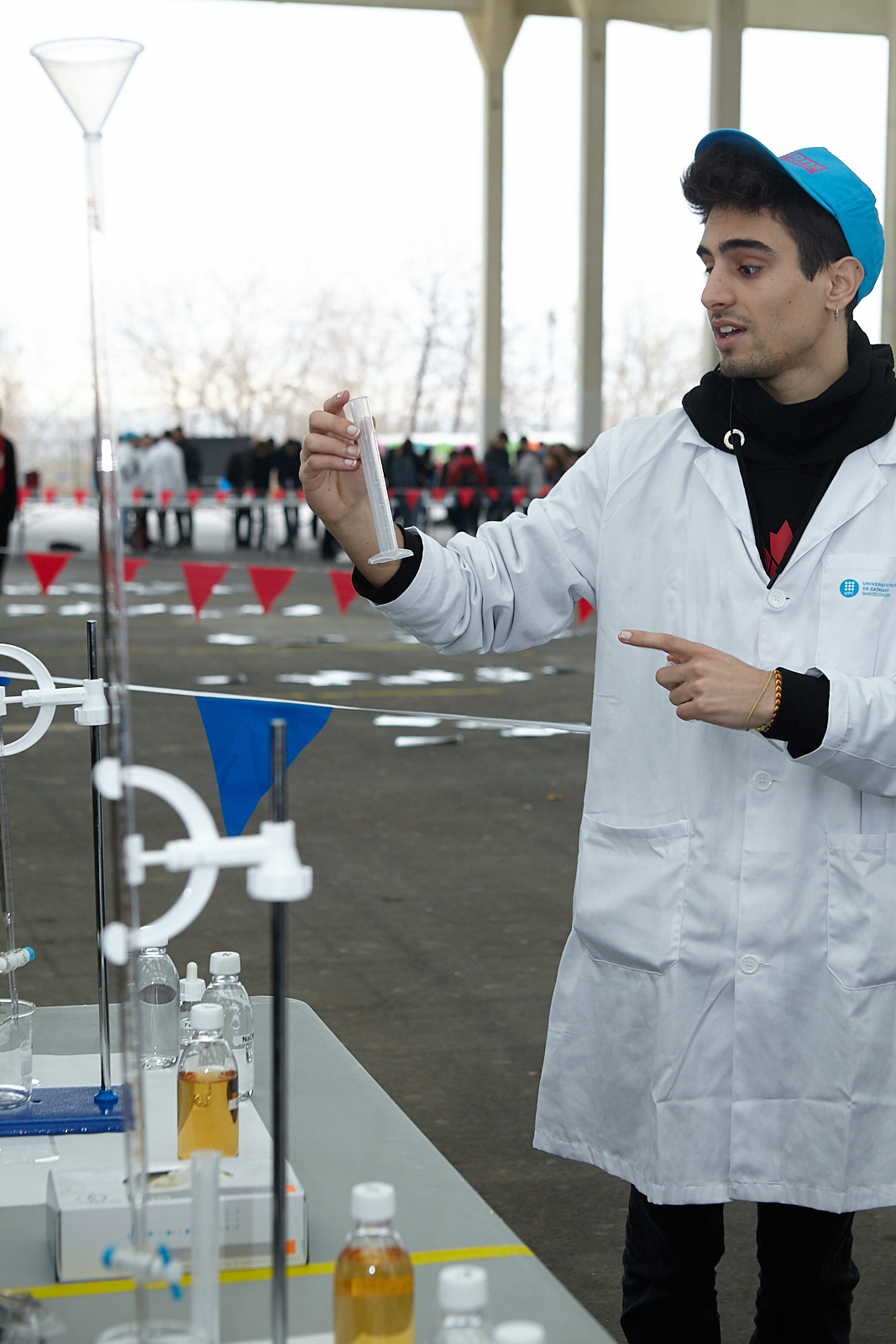
Imagen destacada
Imatge
Cuerpo

Over 300 people took part in the opening ceremony of the 2019 CREA Awards, which was held last Tuesday

This is an event that rewards the best ideas from employees who use their talent and creativity to improve B:SM

Jaume Collboni, the First Deputy Mayor and President of B:SM, presented the awards for the winning ideas in the innovative CREA programme, which fosters and promotes B:SM employees' ongoing improvement ideas to make people's lives better and create a healthy, avant-garde Barcelona. In this year's edition, the proposals were notable for their commitment to the environment, with ideas for reducing emissions, increasing social inclusion by making the facilities we manage more accessible to everyone, improving work processes to be more efficient in the services we offer, and training for staff in aspects such as first aid to provide city residents with a better service. The awards were divided into four categories, according to B:SM's strategic lines. The winners out of the 99 proposed ideas were:

City Residents – Customers •    First prize: Carnet OK!
An idea from Anna Pérez at Barcelona Zoo
Making instant Zooclub cards using a digital camera and printer, which improves the service for city residents who become members.

People •    First prize: Personal mobility vehicles (PMV) information and training
A joint idea from Carlos García at AREA and Raquel Vázquez from Civic Agents
It is proposed that Civic Agents train AREA staff on the use of PMVs, so that they can answer queries from users about the circulation of these vehicles. Civic Agents have previously been trained in this area by the Guàrdia Urbana police force. In the end, joint training was provided and the staff of these services are now able to provide city residents with more support.


Strategic Processes •    First prize: Bicing card reader
An idea from Alejandra Pellicer at Customer Service
Installing a Bicing card reader at the B:SM Citizen Advice and Information Point. This enables the procedure to be checked or, where necessary, to ensure that a card is working properly without having to go to a Bicing station.

Finances •    First prize: Bicing Gift Membership  
An idea from Ester Ruiz at Bicing
Making it possible to buy a Bicing membership as a gift at the Citizen Advice and Information Point.
A special prize was also awarded in recognition of the idea that received most votes from B:SM employees. •    Prize for the most popular idea: A database for People with Reduced Mobility (PRM) cards
An idea from Dolores Soto at AREA
It is proposed that AREA staff open an incident file every time they encounter a generic PRM reservation, which will substantially improve the database to combat PRM-card fraud.


CREA Awards, recognising the commitment and proactivity of B:SM workers
Read the note
Fecha de publicación
News or press release?
Press release
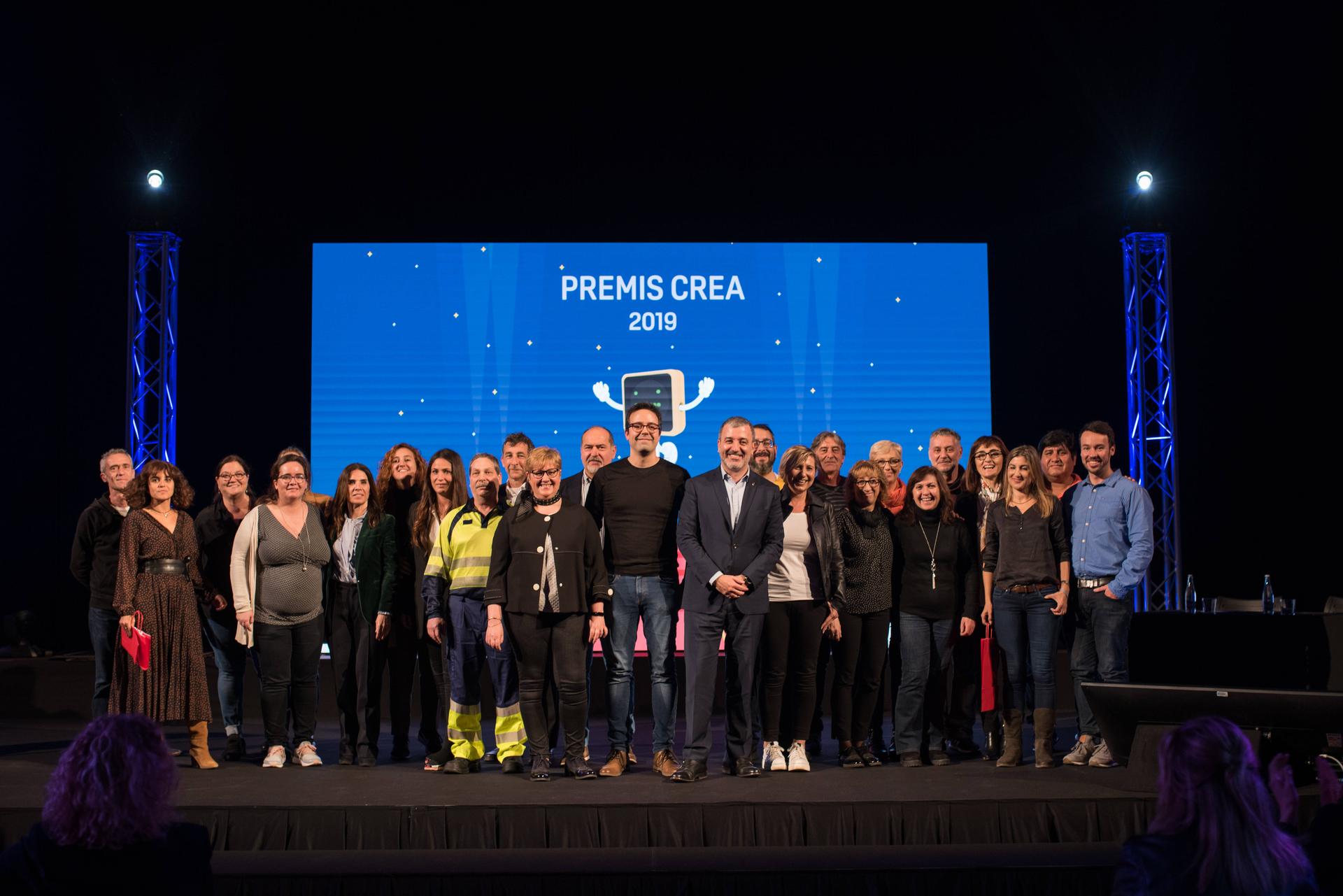
Imagen destacada
Imatge
Cuerpo

This school year, 6,000 2nd- to 6th-year secondary school pupils will be taking part in an initiative that will make Barcelona a benchmark in education and a leading city in terms of promoting STEAM culture  


The activities are being promoted by B:SM, in collaboration with UPC's Barcelona East School of Engineering and Science 360

The activities are based on gender equality, and are aimed at breaking down society's popular stereotypes and showcasing new female role models in an attractive, accessible way, to promote scientific vocations among young women

The project also aims to highlight female role models, with an emphasis on rejecting stereotypes and fostering scientific vocations among young women

This edition is geared towards 2nd- and 3rd-year compulsory secondary school (ESO) pupils, to raise the profile of scientific vocations at a moment when these young people are deciding on their future educational pathways

Barcelona takes another step forward in promoting scientific vocations among adolescents and young people and becoming a Southern European hub for educational innovation in STEAM subjects (Science, Technology, Engineering, Arts and Mathematics). The project also aims to highlight female role models, with an emphasis on breaking down stereotypes and fostering scientific vocations among young women. This spring, three of the city's iconic locations, the Tibidabo Amusement Park, the Lluís Companys Olympic Stadium and the Fòrum Park, will become the vertices of a triangle of science where large-scale, fun, rigorously scientific activities involving 6,000 adolescents will take place. These facilities have been chosen because they already have large-scale resources and are attractive locations to capture the attention of the young people taking part Barcelona Municipal Services (B:SM), the Polytechnic University of Catalonia · BarcelonaTech (UPC), the UPC's Barcelona East School of Engineering (EEBE) and Science 360 have designed a series of activities that will be added to those already being carried out in the city, with the aim of making Barcelona an educational benchmark To this end, various educational experiences such as the Fisidabo 2K projects (now in its 3rd edition) and Visions-STEAM Anella, which has been visited by over 6,000 students in the last two years, have been created for pupils based their compulsory secondary school and sixth-form curricula. It is hoped that 6,000 more students will take part in 2020, given that a new activity is being included: the Visions-STEAM Fòrum

Notably, these STEAM days also contribute to educational innovation in the classroom. The boys and girls take part in the activities after working on their curricula in the classroom, using materials provided by the initiative, thereby helping Barcelona to become a leading city in education and the STEAM culture

Flexibility, accessibility, creativity and innovation STEAM culture and the activities fostered by B:SM, UPC and EEBE aim to provide students with knowledge in a flexible and accessible way, contributing creativity and innovation in a fun environment, but with all the necessary scientific rigour. This not only helps to keep the students motivated, but it also takes the social factor of the learning experience into account. Furthermore, this project is implemented with a gender perspective, and aims to reject stereotypes and create female role models that place women at the centre of science, an area where historically there has been little female presence. Various experiments are carried out in each activity. They are sometimes thought out and designed by students from the University, based on specific content from compulsory and post-compulsory secondary education course materials. It is therefore a session made by and for students, thus achieving an immediacy that favours the learning experience still further. But these sessions are not only about isolated activities, but rather they complement the educational content the students work on in the classroom, while also inviting the general public to get involved Using a cross-cutting approach, subjects which are difficult to explain inside the classroom due to their level of complexity have been chosen, transforming them so that they can be explained in a more fun and entertaining way. In addition to promoting scientific and technological culture, the activities offer multi-disciplinary perspectives on a given subject, creating a dialogue between scientific methods and creative processes

Three different formats for three different age groups

The Fòrum Park will be the first location to hold a large-scale activity this year, with Visions-STEAM Fòrum on 14 February. This first edition aims to repeat the success of last year's Visions-STEAM Anella, held in the Olympic Stadium. On this occasion, the students taking part are 4th year secondary education and sixth-form students, who will be doing 15 different activities specifically created for them, based on the curricular content of their physics, chemistry, technology, mathematics and biology courses. The 2nd edition of the Visions-STEAM Anella is being held on Thursday 2 April. This is geared towards 2nd- and 3rd-year secondary school students, who will also be doing 15 experiments to learn about the same subjects, along with physical education and music. The session is structured around three main pillars of knowledge: brains, matter and energy, which together with art and technology, will help to explain some of the most transcendental matters concerning the future of our society. With the help of neuroscience experts, the experiments will enable students to discover how the brain communicates with the rest of the body using electrical signals, among other experiments that include: •    Perception, alcohol and traffic accidents. The groups of students experience the effects of alcohol using virtual-reality glasses to relate these effects to the number of road accidents, thus gaining a valuable learning experience.

•    Reaction rocket. The teams will learn the basic principles underlying the construction of a rocket powered by pressurised water, first to design it in the most efficient way possible and then to build it, all within a limited time period. The final stage is to launch the rocket within the safety area.

•    Robotics. In this activity, the students will programme a robot to complete an obstacle course. The first stage in the process will be taking the measurements to design the code they will be programming with. Then in the second stage, they will programme the code using their mobile phones and send the instructions to the robot. The aim is to get as far as possible around the obstacle course! Now in its third edition, Fisidabo 2k is the event's longest-running activity, which this year will be held on 15 May. On this day, the Park will be opening its doors to over 2,000 4th-year and sixth-form science students, who will use the attractions to carry out various tests and experiments, specifically focused on Physics. During the session, over 80 UPC undergraduate students studying Engineering Physics, which is taught at the Barcelona Technical School of Telecommunications Engineering, will be taking part assisting with the progress of the various experiments, which has proven to be a mutually beneficial and positive experience for the secondary school pupils and the university students alike.
 
Fisidabo 2K also includes the Fisidabo Hipàtia project, named after Hypatia of Alexandria, the Greek philosopher and teacher. This educational project, which was launched in 2012 and is in its ninth edition this year, is rather more specialised and is geared towards International Baccalaureate students from the CELLEX Science and Mathematics programme. Also using the Park's attractions, the various teams of students will carry out experiments that they themselves have created and designed. On previous occasions, some of the projects tested by students in the Park have had an international impact and have even been published in the prestigious European Journal of Physics. Along the same line, Tibidabo will also make these scientific activities available during the Fisidabo LabShow, a weekend when STEAM culture is brought to the general public. Everyone who visits the park will be able to take part in workshops and do different activities based on specific primary school curricular content.

International recognition

 
The STEAM activities have been recognised in various scientific, technological and educational areas at an international level. The Fisidabo 2K and the Visions projects: STEAM-Anella has won accolades in the ‘Physics and Society’ category of the ‘Science in Action’ awards, a nationwide competition for students, teachers, researchers and communicators in the scientific community. The main aim of these awards is to present science in an attractive, motivating way for young people and the general public. ‘Science and Action’ is a programme made up of universities and different scientific associations, including the Spanish National Research Council (CSIC), the Lilly Foundation, the Institute of Mathematical Sciences, the Royal Spanish Society of Chemistry (RSEQ), the Royal Spanish Society of Astronomy, the Spanish Society of Biochemistry and Molecular Biology, the Spanish Geological Society and the National University of Distance Education. In 2015, the Fisidabo project also took part in ‘Science on Stage’, the international platform for educational initiatives that year held in London. Taking part in this event was key to keeping in touch with other similar initiatives that are being implemented all over Europe. Furthermore, Fisidabo 2K also took part in Youth Mobile (YoMo), a festival organised in Barcelona by the Mobile World Congress, which is geared not only towards making science and technology accessible to students, but also towards education professionals.

Aquí STEAM and Enllaça, two UPC STEAM projects
These initiatives were the starting point for other strategic projects that are currently under way at UPC and aimed at encouraging STEAM vocations. The first is called Enllaça, a volunteer programme that serves to connect compulsory secondary school, sixth-form education and the vocational training courses. It is designed to help the University community raise the profile of the degrees offered at UPC and to arouse a sense of vocation in the fields of engineering, architecture, science and technology, by means of various activities that include guided visits to laboratories and research centres, informative workshops, guidance and mentoring initiatives, and summer activities.
 
UPC's other initiative in this area is Aquí STEAM, a programme geared towards primary and compulsory secondary school students and aimed at attracting talented young women onto technology and engineering degrees. The initiative is designed to break down popular gender stereotypes and roles in society and to showcase new female role models in a way that is attractive and accessible to young women. During the current 2019-20 school year, a pilot programme has been implemented involving 28 primary and secondary schools around Catalonia, with a schedule of activities organised by UPC lecturers and researchers that includes talks and workshops.  

Barcelona promotes scientific vocations, turning the Fòrum, the Lluís Companys Olympic Stadium and Tibidabo into gigantic laboratories for 6,000 adolescents
Read the note
Fecha de publicación
News or press release?
Press release
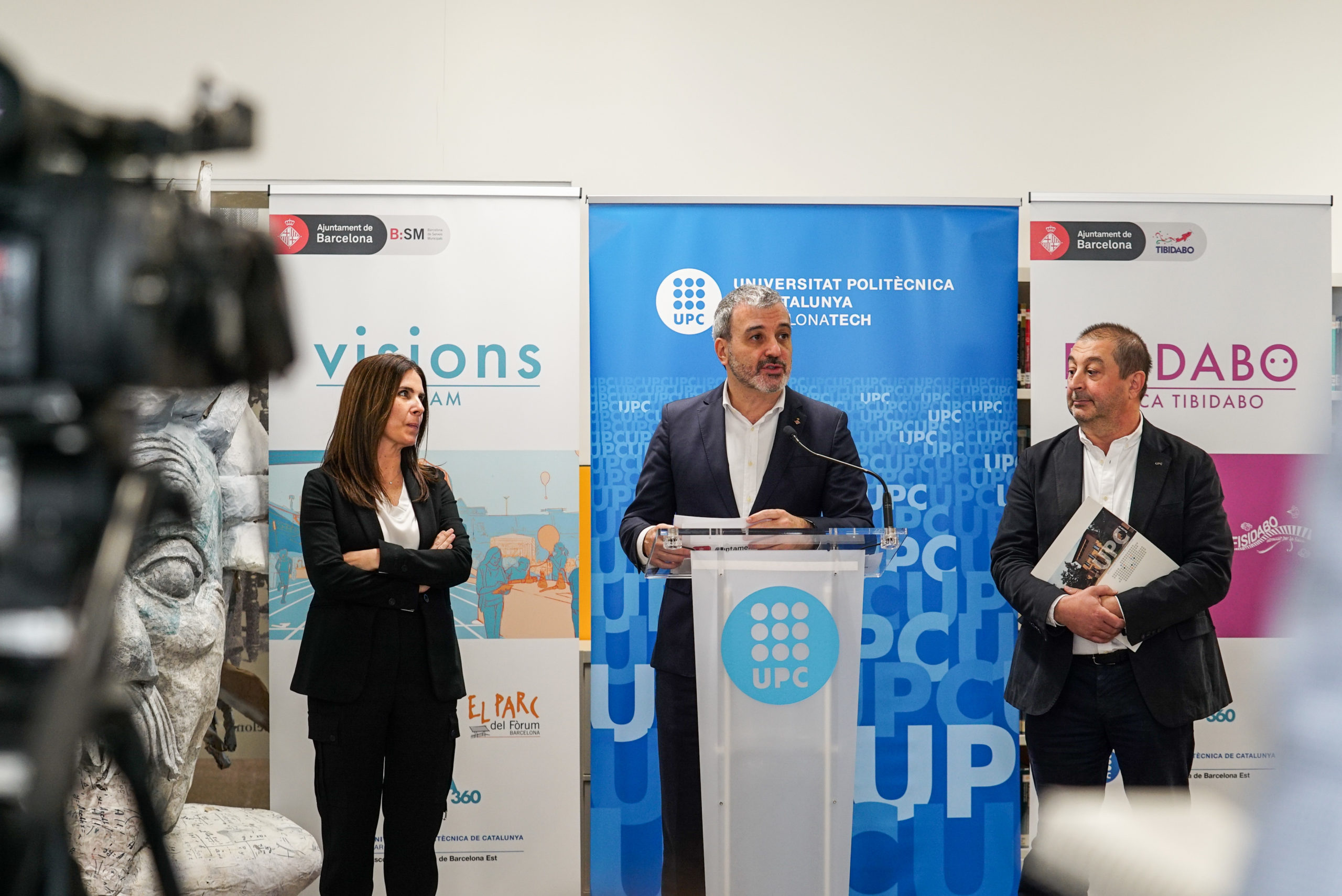
Imagen destacada
Imatge
Cuerpo

Services it offers include making payments for regulated parking in Barcelona and part of the Metropolitan Area, automatic entry to B:SM car parks and the Endolla Barcelona electricity charging network

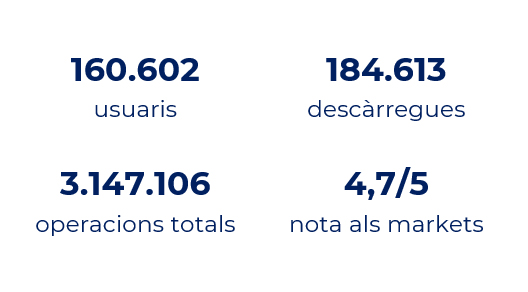
Smou already has over 160,000 users, who have carried out over 3 million operations

The app has improved user experiences by enabling users to manage several aspects of their mobility through a single app

Smou, Barcelona's personal mobility app which concentrates several mobility services in one place, is celebrating its first anniversary this week. And it is doing so at a time of rapid growth, not just in the number of users but also in the level of services it offers people. The latest service, added in December last year, is Endolla Barcelona, the city’s electric charging network, which offers automatic entry to B:SM car parks and the possibility of paying for regulated parking in Barcelona and part of the Metropolitan Area. In just one year, smou has already managed to attract more than 160,000 users, who have carried out over 3 million operations. What’s more, and further evidence of the app's acceptance by city residents, is the score it has achieved in the app-download markets, receiving 4.7 out of 5 on both Apple Store and Google Play, the Android apps market. So far smou has been downloaded almost 200,000 times.
 
It has therefore helped to improve user experiences, by enabling several aspects of personal mobility to be managed in easily and conveniently through smartphones. All the information shown is customisable through a system of filters that users can switch on or off according to their needs. This is a dynamic app in constant growth, which will keep on developing and incorporating new services and functions. The next steps that will be taken include the possibility of using hourly Aparcaments B:SM vouchers and discounts, including more municipalities in the Metropolitan Area and incorporating Green Area payments for Barcelona’s residents.
 
One app, a multitude of services Smou’s most frequently used service is apparkB. This lets you pay for regulated parking in Barcelona, Hospitalet de Llobregat, Santa Coloma de Gramenet, Sant Joan Despí, Sant Just Desvern and Badalona, sparing the need to pay from a parking meter and enabling you to pay for the exact time you park for, saving you time and speeding up the process. This provides added value for users, who can now travel in these areas and park their cars using a single app.
   
As for Barcelona, 30% of the Blue or Green Area tickets obtained are managed through smou, a figure constantly on the rise which shows the level of digitisation and sustainable habits of the city’s residents.
It also enables all users who have activated the agilPark service to gain automatic entry to B:SM car parks. Using a number plate reader, the car park barrier will open automatically and payment is made on your mobile phone when you leave. The latest services incorporated into smou is Endolla Barcelona, the public electric charging network. As of December, electric-vehicle users have been able to download it directly through their mobile using a very simple procedure. All charging points, whether on the street or at Aparcaments B:SM, include a QR code, by means of which users can activate charging from their own telephone mobile.  In addition, the app also enables users to book 20 minutes with the points located on the street, as well as consult the locations and real-time availabilities of the network's more than 500 charging points. Smou users can also find information on the Aparcaments B:SM car park network, Bicing and the Drivy and Ubeeqo car-sharing services, as well as the entire network of cycling lanes. All this information is shown on the map on smou’s main screen through a system of superimposed layers, thereby providing a clear, easy-to-understand display of nearby services at all times.
The smou app is growing rapidly as it celebrates its first anniversary
Read the note
Fecha de publicación
News or press release?
Press release