Imagen destacada
Imatge
View of the facade of the North Station
Cuerpo

The three selected projects are: renovation of Montjuïc’s escalators; new 4.0 Bus Zone regulations and transformation of Barcelona Nord Station to boost its role as a tourist coach hub 

Barcelona de Serveis Municipals (B:SM) will be administering 9.4 million euros of the nearly 41 million euros Barcelona obtained from the Tourist Sector Modernisation and Competitiveness Plan call for funding, financed with Next Generation EU funds. More specifically, three projects are to be funded to strengthen the decentralisation of tourism and improve tourist mobility. 

The first of these, a project involving the renovation of all the escalators providing access to Montjuïc mountain, will receive 3.6 million euros. The second, funded to the tune of one million euros, will bring new 4.0 Bus Zone regulations to improve the management of the spaces reserved for tourist coaches through digitalisation and real-time vehicle connectivity. And the third will transform Barcelona Nord Station as a means to boosting its role as a tourist-coach hub. Boasting 4.8 million euros in funding, the project envisages concentrating the commercial offer and all restaurant and information services on a single floor while reclaiming the old lobby and historical Modernista entrance. This will improve user flow management and accessibility to the station. Energy-efficiency improvement systems will be implemented throughout the station.


B:SM is to allocate over €9 million of Next Generation funds to tourist-activity improvement projects
Read the note
Fecha de publicación
News or press release?
Press release
Imagen de cabecera
Imagen destacada
Imatge
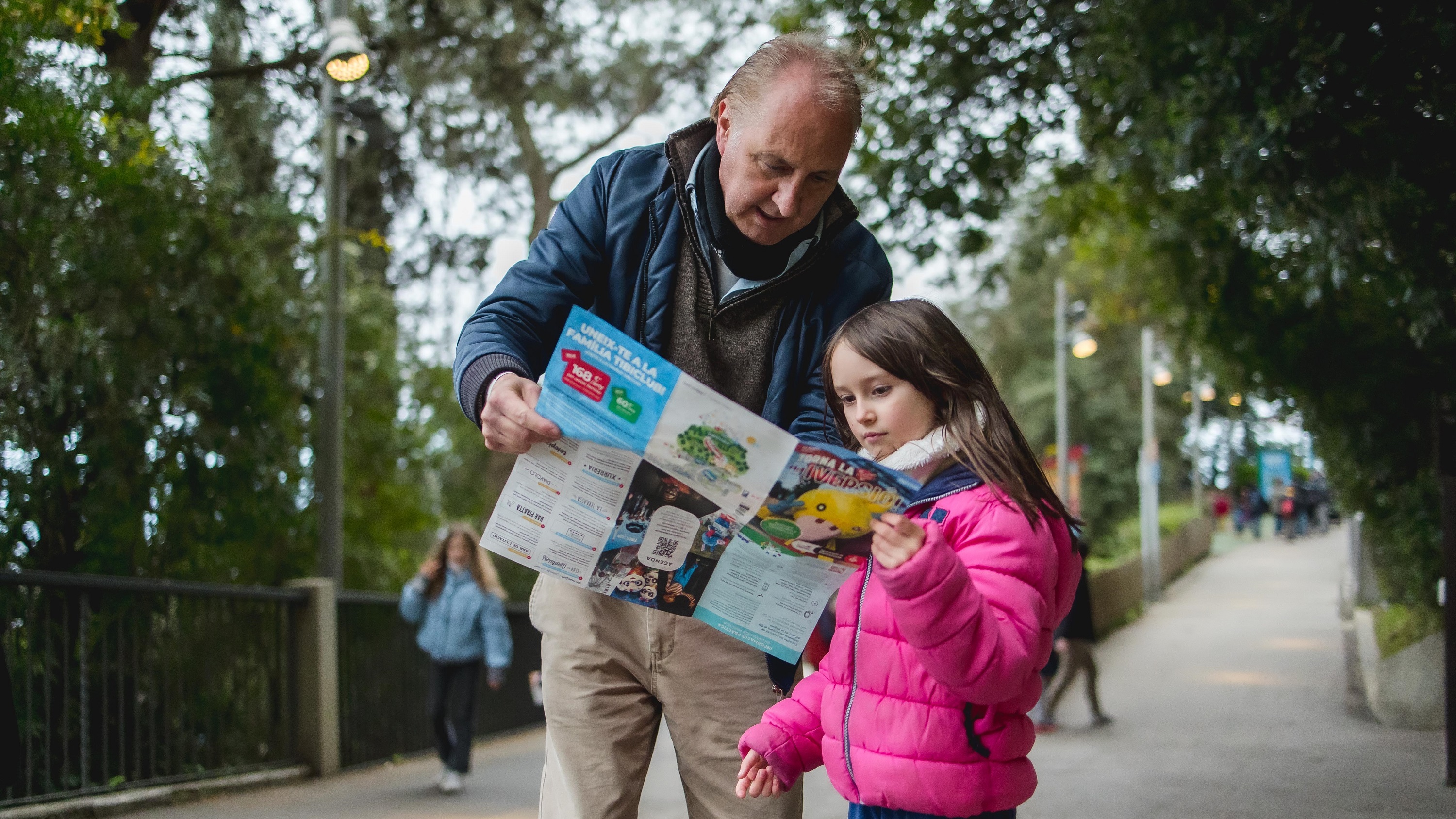
A grandfather and his granddaughter in Tibidabo
Cuerpo

This weekend, the Tibidabo Amusement Park is holding the 8th edition of its Tibidavis event, two days devoted to grandparents and grandchildren

Admission to the park will be free for grandparents and their grandchildren, and for all over-60s 

This weekend, the Tibidabo Amusement Park is holding the 8th edition of its Tibidavis event, with two days devoted to grandparents and grandchildren. 

On Saturday and Sunday, admission to the park will be free for grandparents and their grandchildren, up to a maximum of two children per adult. There will also be free admission for anyone aged over 60 years, regardless of whether they are accompanied or not.

Tibidabo offers this two-day event to pay tribute to the figure of grandparents as educators and their key role in the daily life of many families. 

Christmas at Tibidabo 

Visitors to Tibidabo Amusement Park this weekend can still enjoy the ice rink installed in Plaça dels Somnis for the Christmas period. The 200 m2 rink with a 40-person capacity is made with synthetic and sustainable gel. Access to the rink is included in the admission price for the park, and those without park entry tickets can also use it at a cost of €5. 

There are also two new shows for people to enjoy: “El Bo de Collserola”, which is on every day in Plaça del Jardi at 4 pm; and “Tibimarionetarium de Nadal”, with non-stop shows from 1 pm. 

The wicked Krampus is also arriving at the Krüeger Hotel this Saturday. This character can only be seen over Christmas and will be around until 5 January.
 

Tibidabo invites grandparents to a free weekend at the park
Read the note
Fecha de publicación
News or press release?
Press release
Imagen destacada
Imatge
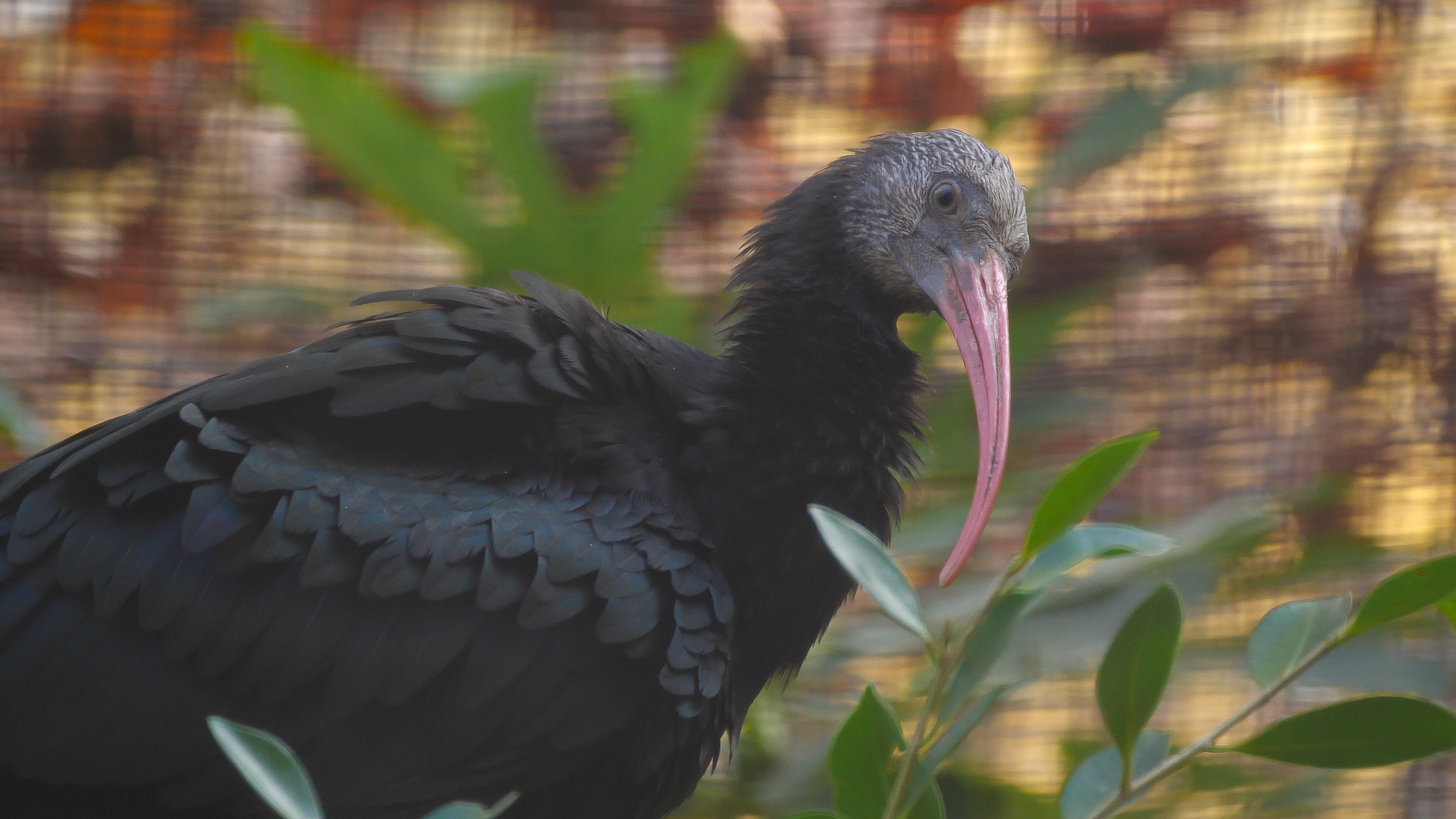
Hermit ibis
Cuerpo

The ibis is a species of bird in danger of extinction, according to the International Union for the Conservation of Nature (IUCN), which has been present at Barcelona Zoo since 2019

There are currently only 700 ibises in the wild, although their number has grown in recent decades thanks to the conservation programmes carried out in Morocco and various European zoos

Those released into the wild, born in Barcelona Zoo last year, are fitted with GPS transmitters, funded by the Barcelona Zoo Foundation, which will help with monitoring and assessing the success of reintroducing this species into the wild

In November, two male hermit ibises (Geronticus Eremita), born in Barcelona Zoo last year, were released in Vejer de la Frontera (Cadiz). This bird is native to the Mediterranean Basin, and is considered to be in danger of extinction by the International Union for the Conservation of Nature (IUCN).

The Barcelona specimens left at the start of October. Before their reintroduction into the natural environment, they underwent a period of quarantine at the Zoo and Botanical Garden in Jerez and a few weeks adapting on an estate in Vejer de la Frontera, from where plans were made to release them into the wild in small groups, on a daily basis, to favour their assimilation into the released groups. 

The two birds are fitted with GPS transmitters, funded by the Barcelona Zoo Foundation, which will help with assessing the success of their reintroduction into the wild. 

Barcelona Zoo incorporate this species in 2019 at the recommendation of the coordinator of the European Endangered Species Programme (EEP). They were, specifically, four males from Stuttgart Zoo in Germany, and four females from Nordens Ark (Sweden) who produced their first offspring in 2021. 

The last ibises living in the wild, around 700 in total, are found in south-east Morocco and they have all but disappeared from the Near East and Europe where they were found up until the 18th century, even in countries outside the Mediterranean region such as Austria, Hungary and Switzerland.

The current population is mainly distributed between two main groups: the most abundant is sedentary and lives along the Moroccan coastline; the other group, smaller in number, is migratory and travels between Syria and Ethiopia. Their most habitual habitats are arid zones with cliffs, where they establish their breeding colonies. They mainly feed on insects and small invertebrates (amphibians, reptiles and small mammals).

The Zoo Foundation is helping to reintroduce the species into the south of the peninsular through the “Hermit Project”

In 1990, the global hermit ibis population numbered just 250, with fewer than 50 breeding pairs. Also, thanks to the in situ conservation programmes being carried out in Morocco and the ex situ conservation carried out in European zoos through the European Association of Zoos and Aquaria (EAZA) European Endangered Species programme (EEP) its wild populations are growing at a steady rate.

Along these lines, in 2004 the Zoo and Botanical Gardens in Jerez and the regional government of Andalusia launched the “Hermit Project” with scientific advice from the Doñana Biological Station (CSIC). The aim was to study different reintroduction techniques for reintroducing individuals born in captivity in order to establish a sedentary, stable and self-sufficient population in the region. 

The Barcelona Zoo Foundation has been collaborating with the programme since 2019 through ex situ breeding and by providing technical teams to carry out monitoring tasks.

The project has enabled two breeding colonies to be established, located on the cliffs of Barca de Vejer (Vejer de la Frontera) and the Torre de Castilnovo (Conil de la Frontera). In all they have around 200 birds. During this year's campaign to release individual birds, between October 2022 and February 2023, it is hoped to introduce a further 40 into the wild from various zoos, including Barcelona Zoo. 

This year there has been a notable increase in the number of pairs. Between the two colonies there are 28 pairs and 32 fledglings, which is a record for the population. With these numbers, it is thought they are close to reaching the minimum number required for a viable population that will continue to grow without the need to release more individuals bred ex situ.

Barcelona Zoo takes part in a project to reintroduce the ibis in the province of Cadiz 
Read the note
Fecha de publicación
News or press release?
Press release
Imagen de cabecera
Imagen destacada
Imatge
Christmas decoration at Tibidabo
Cuerpo

The Amusement Park will have an ice rink in Plaça dels Somnis from 26 November to 5 January, open to everybody

With a capacity for forty people, the rink is made from a synthetic material offering users a highly similar experience to skating on ice, helping to guarantee sustainability 

The park mascots are in action with a new show over the festive season too, with the puppets from the Tibimarionetarium also making a return 

The Tibidabo Amusement Park is celebrating Christmas with an ice rink open to all. The rink is being set up in Plaça dels Somnis and will be operative whenever the park is open between 26 November and 5 January.

With an area of 200 square metres and a capacity for forty people, the rink is made from a synthetic material offering users a highly similar experience to skating on ice, helping to guarantee sustainability. The materials in question are polyethylene panels, a revolutionary new solution with no energy consumption because, unlike conventional rinks, there is no need for electricity to conserve the ice. 

Access to the ice rink is included in the admission price for the park, but there is also a chance for people to use the rink without visiting the rest of the park, at a price of 5 euros. 

The Tibidabo park mascots present the new show El Bo de Collserola 

El Bo de Collserola is a new show by the Tibidabo park mascots and will also be showing for the first time on 26 November. On this occasion the central character is Bo, a wild boar firmly committed to looking after the environment and the surroundings in Collserola. Bo will be helping audiences to become aware of the importance of looking after the mountain. The show is on in Plaça del Jardí at 4.30 pm on the days the park is open. 

The park is also offering another season of the Tibimarionetarium, this year from 3 December. This is a Christmas puppet show where music, snow and stars take centre stage. The show is showing every hour at the Marionetarium, up until 5 January.  

Elsewhere, at the Hotel Krüeger, the heinous Krampus makes a return to the city’s darkest hotel over Christmas, the only time of year that he makes an appearance. The hotel will be open for an additional seven days this season. It will be closed from 19 to 26 December, and open from 27 December to 4 January whenever the park is open to the public.  

All these activities are included in the admission price for the Tibidabo Amusement Park. 

Tibidabo opens an ice rink for Christmas
Read the note
Fecha de publicación
News or press release?
Press release
Imagen de cabecera
Imagen destacada
Imatge
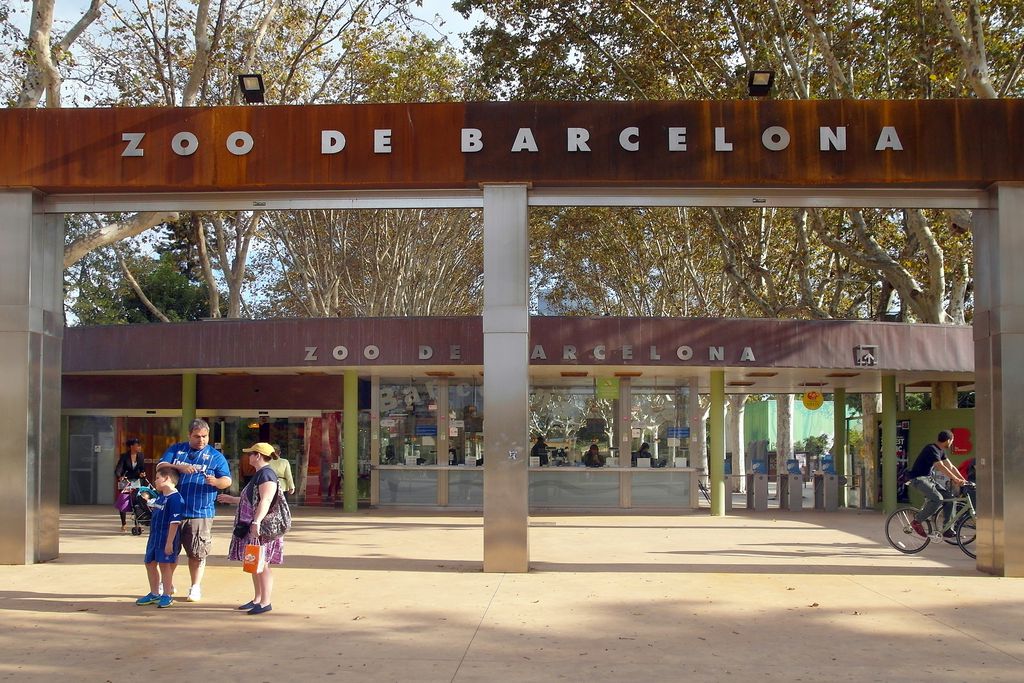
Barcelona Zoo entrance
Cuerpo

Nearly 600 students will be taking part in STEAM Zoo, a morning of science activities organised by Barcelona de Serveis Municipals (B:SM) and the East Barcelona School of Engineering (EEBE) at the Polytechnic University of Catalonia – BarcelonaTech (UPC)  

The Zoo follows on from other iconic spaces managed by B:SM, such as the Parc del Fòrum, the Olympic Ring and Tibidabo, which have been working to promote science vocations among secondary-education students 

STEAM projects (Science, Technology, Engineering, Arts and Maths) make Barcelona an educational-innovation hub at the service of the city’s young talent  

Barcelona Zoo will be hosting its first STEAM Zoo on 16 November, offering a morning of activities relating to biology and aimed at pupils in their first and second years at secondary school (ESO). Some 600 youngsters from various secondary schools in Barcelona and the metropolitan area will be taking part.

STEAM Zoo was launched jointly by Barcelona de Serveis Municipals (B:SM) and the East Barcelona School of Engineering (EEBE) at the Polytechnic University of Catalonia – BarcelonaTech (UPC), with the aim of promoting science vocations among young people, providing them with information on biology in a fun and yet academically rigorous way. 

The various class groups participating in this science morning from 9.30 am to 1.30 pm will be able to enjoy three workshop activities run by Barcelona Zoo’s team of educators in collaboration with teaching and research staff from the EEBE at the UPC.

The first of these, entitled DNA in your hands, sees students extracting DNA from cells and even touching it. In What are we eating? youngsters will conduct a series of experiments to learn how what we eat is turned into energy. And in the third, Interpreting what we think, participants will be able to directly test how the body’s brain and muscles communicate with each other. 

Students will also enjoy the participatory show The three neurones, where they learn how the cells making up nervous tissue function.     

An educational innovation hub at the service of the city’s young talent

STEAM Zoo is part of a much broader educational project aimed at fostering an interest in science and technology beyond school classrooms. The initiative puts special emphasis on promoting science vocations among girls, helping to put an end to gender stereotypes.   

This is the first time that Barcelona Zoo will host one of these day activities. This year’s STEAM gatherings, promoted in collaboration with the UPC, began at the Fòrum on 23 March, with over 1,500 4th-year ESO and baccalaureate students taking part. Next up was the Olympic Ring, in April, with over 1,500 2nd- and 3rd-year ESO students taking part. This was followed by Tibidabo, in May, which saw over 2,300 4th-year ESO and baccalaureate students taking part. More than 6,000 young people are estimated to have benefited from STEAM activities this year (2022). 

These new sessions in the STEAM programme, have enabled B:SM to strengthen its commitment to making social and educational use of some of the iconic facilities it manages in the city. 

Barcelona Zoo acts as a big science classroom for pupils in their first and second year at secondary school
Read the note
Fecha de publicación
News or press release?
Press release
Imagen de cabecera
Imagen destacada
Imatge
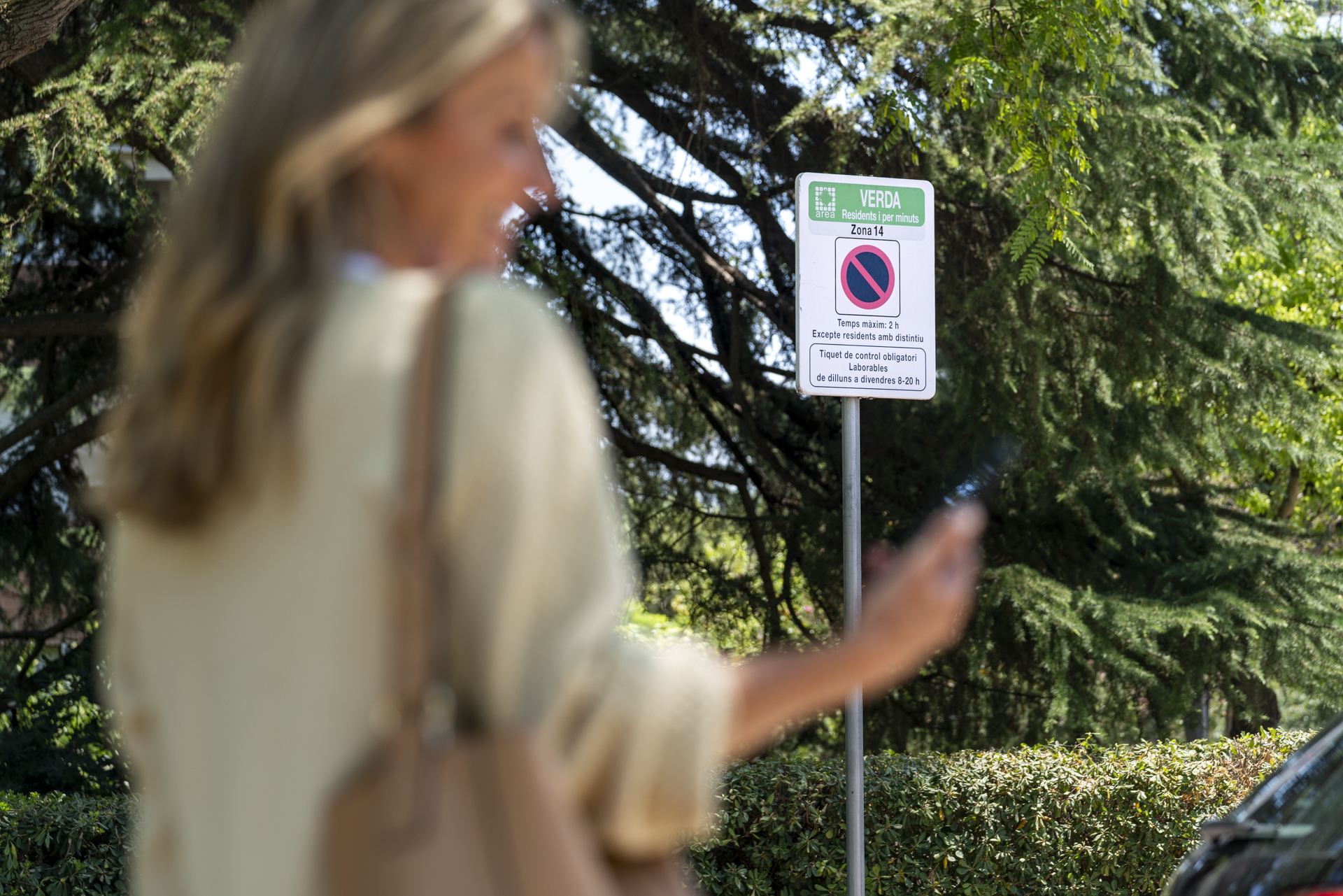
Woman looking at the integration of ONaparcar residents in the SMOU app
Cuerpo

As of 22 November, parking places for AREA residents are to be managed through the Barcelona personal mobility services app, SMOU, which will incorporate the Barcelona Residents services  

The current ONaparcar residents app will therefore be integrated into SMOU   

The aim behind this incorporation is to continue improving user experiences by bringing together the various mobility services in the same app, in an easy, comfortable and intuitive way 

Barcelona’s personal mobility services app, SMOU, continues to advance in making citizen mobility easier and more comfortable. As of 22 November, regulated parking places for AREA residents will be managed through SMOU, which will be integrating the functions of the current ONaparcar residents app. 

That way Barcelona residents using one or more of the 35 parking areas for residents will be able to manage all their regulated parking needs in a single app. To do all that, they will need to have the SMOU app installed on their mobiles, register their vehicle’s number plate and activate the Residents Barcelona service. Users who already had the app installed and their vehicle registered will only need to activate the new Residents Barcelona service. Once the service is activated, they will be able to obtain their parking tickets for regulated places such as Green and Exclusive Resident Areas. 

As was already the case with the current ONaparcar residents app, parking tickets can be for a day or a month, depending on the user's needs, with the last day of the year being the final date for obtaining these tickets in advance. 

The digital tickets that SMOU generates can be securely checked in real time by parking surveillance and control devices. In other words, there will be no need for printing out tickets or putting any sort of paper emblem on the vehicle. In addition, users will be able to check, share and download a list of past parking receipts at any time. To do this, they will need to enter the “Consumption” section of the SMOU app's main menu.    

Besides managing parking places, the SMOU app’s new Barcelona Residents service will also enable its users to check a map of the AREA zone assigned to each user’s vehicle(s), helping them to find out, at any time, where their parking area starts and ends. It will likewise enable users to mark exact locations where vehicles have been parked, by pressing the “Save vehicle position” button. 

ONaparcar residents app users who have a current ticket on the day of the app’s integration into SMOU, will keep it and be able to consult the new Residents Barcelona service. What will not migrate from one app to another will be the list of past tickets, though these can continue to be consulted from ONaparcar until 31 January 2023. 

This is a project financed with funds from the Recovery, Transformation and Resilience Plan, itself funded by the European Union – NextGenerationEU.  

SMOU: the app that brings every means of transport together 

Boasting more than 700,000 users and 1,700,000 monthly operations, SMOU is the app that brings every means of transport together on a single platform, thereby contributing to better planning of urban and inter-city travel. Thanks to its user-friendly, simple and intuitive design, SMOU integrates the various means of public and private transport, sparing you the need for downloading several apps.


This is a project financed with funds from the Recovery, Transformation and Resilience Plan, financed by European Union – NextGenerationEU.

Logos Next Generation


SMOU integrates the ONaparcar residents app 
Read the note
Fecha de publicación
News or press release?
Press release
Imagen de cabecera
Imagen destacada
Imatge
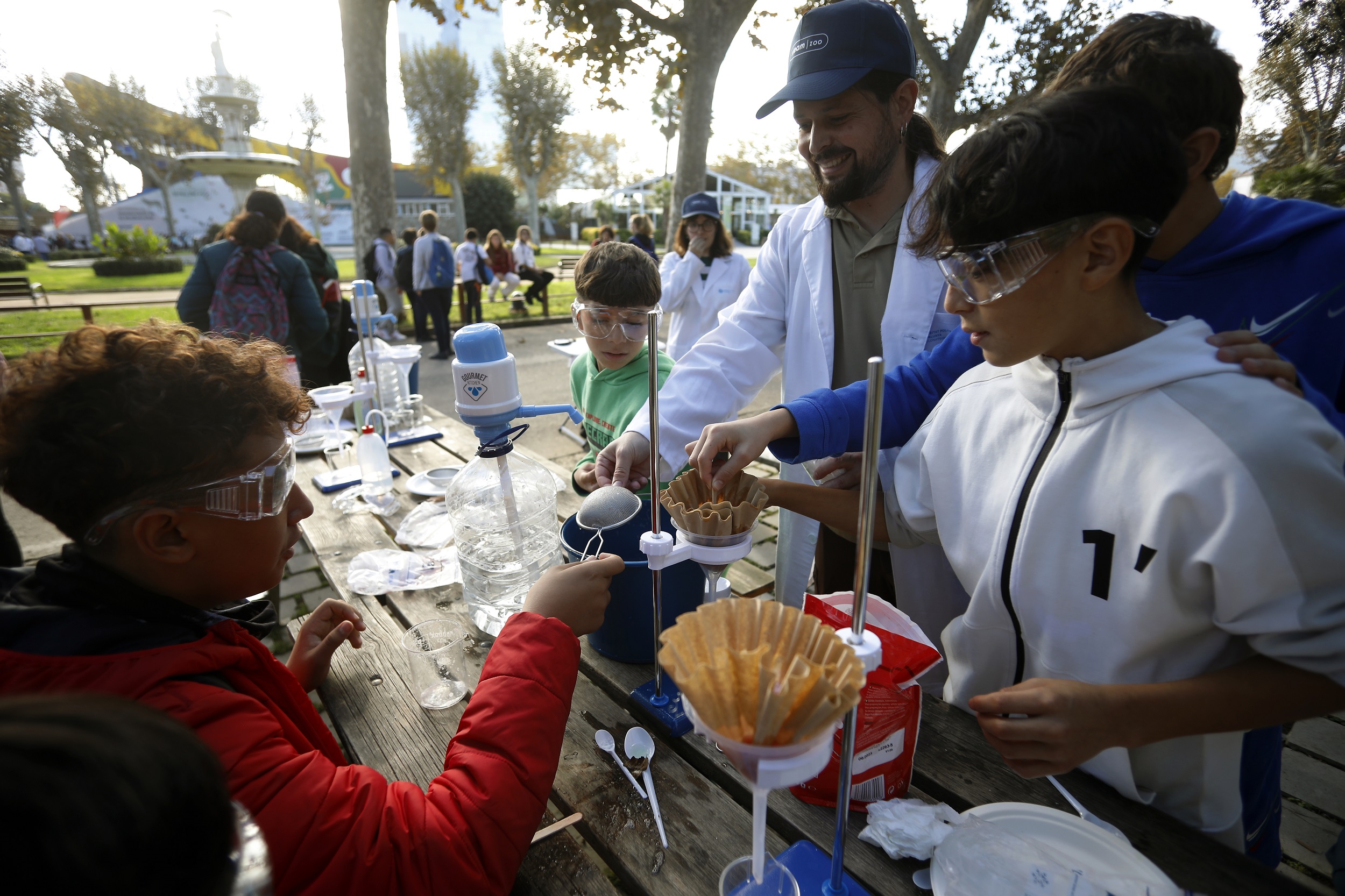
Young people from 1st and 2nd year of ESO participating in the STEAM Zoo
Cuerpo

Barcelona Zoo became a science classroom this morning with various scientific activities organised by Barcelona de Serveis Municipals (BSM) and the East Barcelona School of Engineering (EEBE) at the Polytechnic University of Catalonia - BarcelonaTech (UPC)  

The Zoo is taking over from other iconic spaces managed by BSM, such as the Parc del Fòrum, the Olympic Ring and Tibidabo, which have been working to promote science vocations among secondary-school students 

STEAM (Science, Technology, Engineering, Arts and Maths) projects make Barcelona an education innovation hub at the service of the city’s young talent

Barcelona Zoo played host this morning, and for the first time, to STEAM Zoo, a day of activities relating to biology and aimed at 1st- and 2nd-year ESO (compulsory secondary education) students. Some 600 boys and girls from several secondary schools in Barcelona and its Metropolitan Area took part.

STEAM Zoo was launched jointly by Barcelona de Serveis Municipals (BSM) and the East Barcelona School of Engineering (EEBE) at the Polytechnic University of Catalonia – BarcelonaTech (UPC), with the aim of promoting science vocations among young people, by increasing their knowledge of biology in a fun yet academically rigorous way. 

The various class groups that took part in this scientific morning activity were treated to three workshop activities run by Barcelona Zoo’s team of educators in collaboration with teaching and research staff from the EEBE at the UPC.

The first of these, entitled DNA in your hands, saw students extracting DNA from cells, which they were even able to touch. The second, What are we eating?, provided a series of experiments in which the young students learnt how we turn what we eat into energy. And the third, Interpreting what we think, had participants testing live how the body’s brain and muscles communicate with each other. 

In addition, the students enjoyed a participatory show called The three neurones, where they also learnt how the cells making up nervous tissue function.     

An education innovation hub at the service of the city’s young talent

STEAM Zoo is part of a much more extensive educational project aimed at promoting an interest in science and technology in a different way to school classrooms. The initiative puts special emphasis on promoting science vocations among girls, helping to put an end to gender stereotypes.   

This is the first time that Barcelona Zoo has held to one of these days. This year’s STEAM gatherings, promoted in collaboration with the UPC, kicked off on 23 March at the Fòrum, with over 1,500 4th-year ESO and baccalaureate students taking part. Next was the Olympic Ring, in April, with over 1,500 2nd- and 3rd-year ESO students taking part. That was followed by Tibidabo, in May, who over 2,300 4th-year ESO and baccalaureate students. So, in all, more than 6000 young people are estimated to have benefited from STEAM activities this year (2022). 

With this new STEAM programme day event, BSM is reaffirming its commitment to making social and educational use of some of the city’s iconic spaces. 

Some 600 1st- and 2nd-year ESO students take part in STEAM Zoo 
Read the note
Fecha de publicación
News or press release?
Press release
Imagen de cabecera
Imagen destacada
Imatge
Charger Endolla Barcelona
Cuerpo

The Serveis Municipals (BSM) electromobility network, Endolla Barcelona, is testing a system for scheduling the recharging of electric vehicles in BSM car parks to make the most of the hours when energy demand is at its lowest

This smart energy management measure is part of Endolla Barcelona's commitment to contributing to a more sustainable and efficient energy transition 

Endolla Barcelona has more than 650 charging points distributed throughout the city, and by early 2023 will have fifty more 

The Serveis Municipals (BSM) electromobility network, Endolla Barcelona, is launching a pilot project for scheduling the recharging of electric vehicles in car parks within the BSM network, to make the most of the hours when energy demand is at its lowest. This initiative is part of Endolla Barcelona's dual aim of supporting the development of electromobility in a sustainable way, and promoting innovative projects that focus on challenges such as smart and efficient energy management. 

The pilot project is soon to be launched in the BSM Porta de Sarrià car park, located in the Sarrià-Sant Gervasi district. When an electric vehicle user parks in front of one of Endolla Barcelona's charging points, they will need to access SMOU, the Barcelona personal mobility services app, and scan the charging point's QR code. The user can then choose either to recharge their vehicle immediately or to schedule a recharge. If choosing the latter, they need to indicate the day and time they intend to pick up the vehicle and the desired charge level in the battery. In this way, vehicles can be charged during off-peak hours. In other words, when energy demand is at its lowest. 

Besides contributing to a more efficient use of energy, the recharging of vehicles during off-peak hours means monetary savings for Endolla Barcelona users. The current pricing policy for the service already incentivises use at times when energy consumption is lower. 

This pilot project is part of the eCharge4Drivers programme, a European project co-funded by the European Union as part of the Horizon 2020 Research and Innovation Programme, in which Barcelona is participating through the Endolla Barcelona network. The aim of this European project is to improve the experience of electric vehicle users by reducing charging times, deploying the necessary infrastructure in a sustainable way, and developing smart, easy-to-use charging points. 

According to the Councillor for Mobility, Laia Bonet, “this project is another example of the leadership that Barcelona is demonstrating in the field of electromobility through Endolla Barcelona. Apart from creating an extensive infrastructure throughout the city, we're also working in partnership with other institutions and with the sector on the challenges that must be addressed if we are to ensure a smart, efficient transition to electromobility”.  

Barcelona, a leader in e-mobility in southern Europe, with Endolla

Boasting more than 650 charging points distributed with a high capillarity throughout the city, Endolla Barcelona is the Spanish State’s biggest public electro-mobility network. This network continues to grow, with some fifty new charging points due to be launched by the start of 2023, representing an investment of 600,000 euros. 

There are currently 6.5 points per km2 distributed throughout the city’s neighbourhoods, with one charging point for every 11.4 electric vehicles and a service availability of 97%. Added to all the other public charging points, these figures make Barcelona the second European city in terms of number of charging points per km2, after Stockholm, and fourth in number of points per resident, after Stockholm, Gothenburg and Oslo.

Given Endolla Barcelona's aim to contribute to a sustainable and efficient energy transition, 75% of its charging points are located in BSM car parks, thereby freeing up public space and promoting planned off-peak, off-street charging and offering an efficient network to people without charging points at home or at their workplace. The remaining 25% of the points on the street are fast charging to promote sporadic, unplanned and low-occupancy uses of public space.


This is a project financed with funds from the Recovery, Transformation and Resilience Plan, financed by European Union – NextGenerationEU.

Logos Next Generation


Endolla Barcelona launches a pilot project to schedule vehicle recharging
Read the note
Fecha de publicación
News or press release?
Press release
Imagen destacada
Imatge
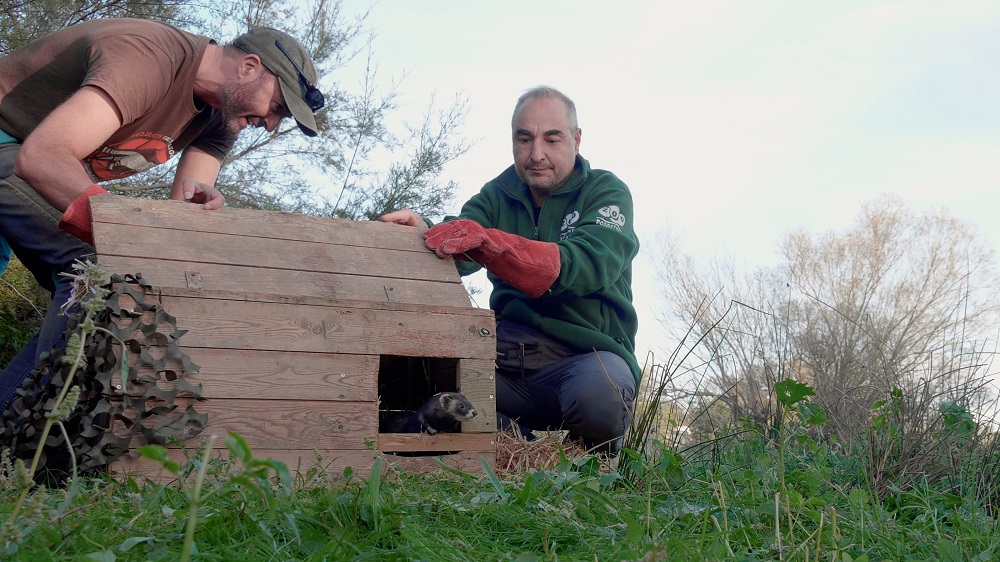
Liberation of the European Hill in the Raimat Natura area of Lleida
Cuerpo

A pilot project for the captive breeding and reintroduction of polecats has been launched as part of the TuroCat project, which aims to help polecat populations in Catalonia to recover. The Barcelona Zoo Foundation is also involved. 

The aim of the pilot project is to establish the extent to which polecats born in captivity can adapt to the few areas in which the species still survives and whether it could be reintroduced to other areas from which it has all but disappeared in the future

Within the framework of the TuroCat project for the recovery of the European polecat in Catalonia, on which the Department of Climate Action, Food and Rural Agenda, the Barcelona Zoo Foundation and the Trenca Foundation are collaborating, a pilot scheme to reintroduce the species has begun in the Lleida area, involving the release of individuals from the captive breeding programme initiated as part of the project, with the support of the DACC's El Pont de Suert Wildlife Centre. The project has also enjoyed the support of a private zoo in the Pallars Sobirà region. This is the first-ever release of captive-bred European polecats (Mustela putorius) into the wild. 

The initiative is being carried out in partnership with Raimat Natura, where seven individuals were released today. This is a natural area spanning 700 hectares in which hundreds of water birds, endangered birds of prey, mammals and the Raimat winery's organic vineyards all coexist in complete harmony. The space has been open to the public free of charge since May 2021, to enable everyone to discover its rich biodiversity.

Polecats are highly skilled at hunting rabbits, which pose a serious problem for agriculture precisely in the Lleida area. The pilot project will also assess the extent to which specimens born in captivity are able to adapt, by observing how they interact with the rabbits that are the dominant species in this area. However, amphibians, rats and other rodents are also found here.  

A further six individuals have been released in the Alt Empordà region, where the largest populations of this endangered species are to be found. The animals that have been released have been fitted with trackers so that they can be monitored, and their adaptation to the environment studied. 

This pilot scheme is part of a wider initiative to build up a breeding stock and to breed this endangered species in captivity so that the animals can subsequently be released into the wild. Work to obtain wild specimens and move them to other parts of Catalonia where there needs to be a focus on the recovery of populations is also under way. 

This pioneering wildlife breeding and reintroduction project will continue over the next few years with a view to increasing the size of polecat populations in other areas identified by the scientists taking part in the TuroCat project as a result of ongoing monitoring to assess how the species is doing. Reconnecting polecat populations to each other and preventing genetic isolation is key to the future of the species in Catalonia. In addition, partnerships with primary-sector companies and organisations and owners of land that has high ecological value for these animals will also be strengthened. 

An endangered species

European polecats are included as an endangered species on the list of wildlife under threat in Catalonia which was approved by the Generalitat de Catalunya in October. In fact, it is one of our most endangered mammals. Over the last 30 years, areas of distribution have been drastically reduced and numbers have plummeted to their current levels, with populations living only on some parts of the plains of the Alt and Baix Empordà regions, and individuals being occasionally spotted at the source of the river Ter, in the Ripollès. 

The TuroCat project was created in 2018 thanks to the support provided by the Generalitat de Catalunya, and a grant awarded by the Barcelona Zoo Foundation. 


The first European polecats bred in captivity are released into the Raimat Natura ecological park in Lleida
Read the note
Fecha de publicación
News or press release?
Press release
Imagen de cabecera
Imagen destacada
Imatge
Celebration of the 28th Heart Festival in Tibidabo
Cuerpo

The festival, organised by the Congenital Heart Disease Association (AACIC), is taking place on 13 November, and all proceeds will go to the Association's projects   

There will be giants, casteller human tower building, a market, a drawing workshop and a charity raffle, among other things  

On 13 November, Tibidabo Amusement Park is hosting the Festa del Cor [Heart Festival], organised by the  Congenital Heart Disease Association (AACIC). The festival is celebrating its 28th edition this year and it aims to give more visibility to children who are born with heart disease and their families. 

All festival proceeds will go to two AACIC projects in the hospitals of Sant Joan de Déu and Vall d’Hebron in Barcelona, Sant Joan in Reus, Arnau de Vilanova in Lleida and Trueta in Girona. The projects are Et mirem, which offer psychological and social support to women who are expecting a baby with heart disease, from the moment they receive the diagnosis to when they arrive home and undergo the surgical intervention, where necessary; and A cor obert, a comprehensive support project for children and teenagers with heart disease who have to undergo surgery. 

This is the 18th year that Tibidabo and the AACIC have joined forces for this cause. Everyone who visits the park on that day can dance with giants, watch the tower building of the Santa Coloma de Gramenet casteller group, stroll through the Heart Market, do a drawing for a child who is in hospital, see the exhibition of the works forming part of the AACIC's 2023 solidarity calendar and take part in a charity raffle, among other things. 

The Congenital Heart Disease Association 

Since 1994, the Congenital Heart Disease Association (AACIC) has worked to support people living with heart disease, with the aim of improving their quality of life and that of their families. The association offers psychological and social support and accompaniment to children and adolescents and their families, both in hospital and in adapting to everyday life. The AACIC also endeavours to give greater visibility to the reality of this group and promote research into the social and family impacts of living with heart disease from childhood.

Tibidabo hosts the 28th AACIC Heart Festival, to give greater visibility to children who are born with heart disease
Read the note
Fecha de publicación
News or press release?
Press release