Imagen de cabecera
Imagen destacada
Imatge
Cuerpo

The demolition of Moll de Gregal wharf’s old structures signals the start of the new restaurant zone’s development 

Also progressing at a good pace are the construction of the access point that will improve the Port’s connection to the Vila Olímpica, the adaptation of the blue economy spaces and the new urban development that will turn the Dic de Recer breakwater into a promenade - viewpoint

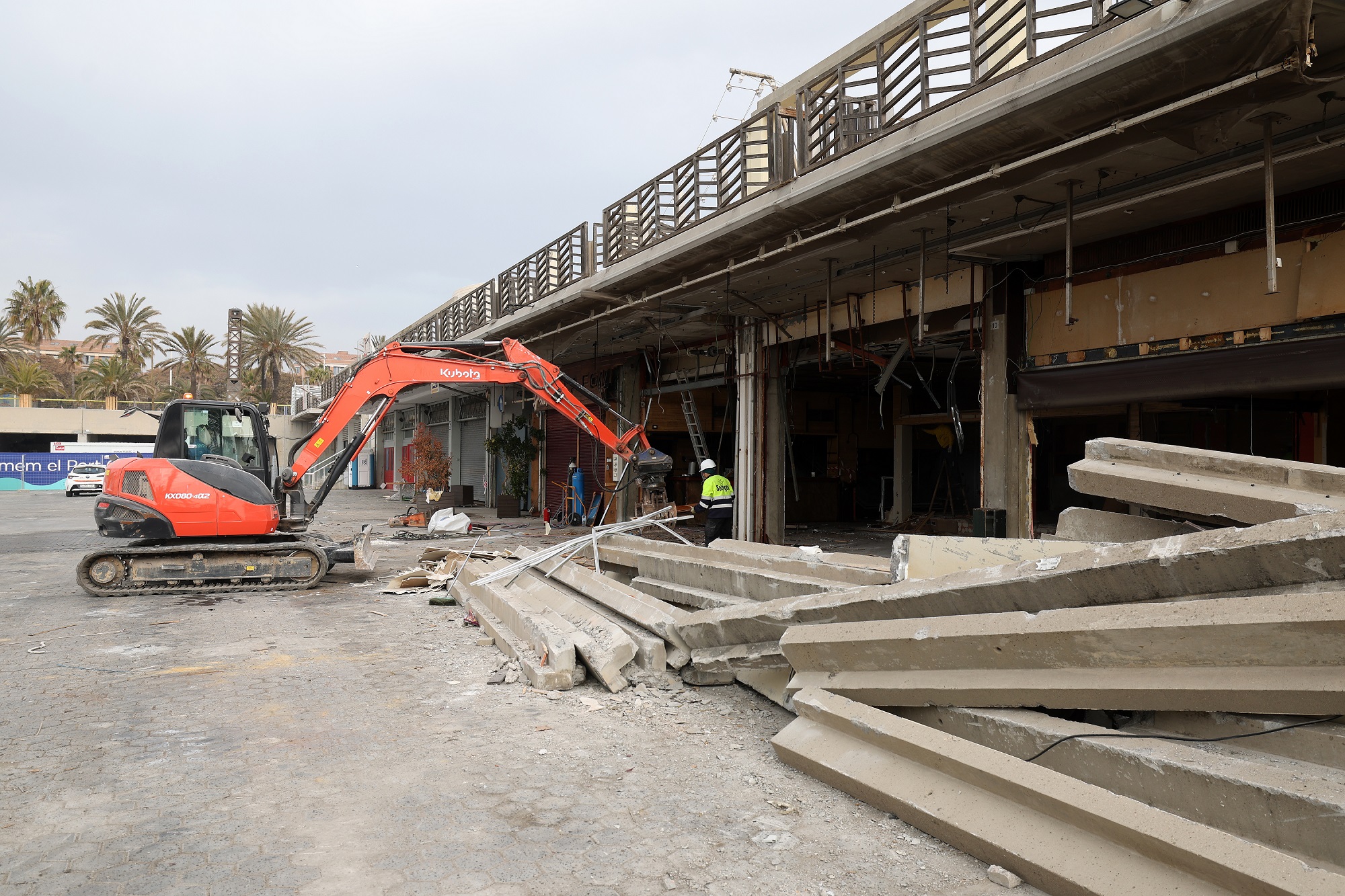
Demolition work began in February marking the start of the construction of the Port Olímpic Restaurant Deck. The work being carried out on the Moll de Gregal wharf involves a steady dismantling of its old restaurant and bar premises, whose activity ended in January this year. Other elements that had given the Port Olímpic its distinctive appearance up to now will also be pulled down, such as the steps and the pergolas above the former area’s restaurant and bar terraces. In addition, building work will start on the new access point that will connect to Nova Icària beach, inviting greater dialogue between activities in the Port and the city’s coastal area. 

The dismantling work will not interfere with activities at the Municipal Sailing Centre, where renovation work is set to start this spring. 

The demolition work will continue until mid-summer, followed immediately by construction work on the new restaurant and catering spaces. They are eleven restaurants and three food shops that will be located along a modern and accessible promenade up to the Mediterranean shores. The wharf will incorporate three vertical blocks where stairs and lifts will be installed, to strengthen accessibility and connections between the Port’s various areas. There will be three squares, each inviting visitors to enter and enjoy views of the sea. 

Contracts have already been awarded for 80% of the eateries making up the future Restaurant Deck's culinary offerings, with work still in progress for the rest. The Restaurant Deck will open to the public in the summer of 2024.  

A new access point for connecting the Port to the city

The rest of the Olympic Port’s transformation work is moving along at a good pace and starting to make this new stage visible to city residents. According to the Third Deputy Mayor and Chair of B:SM, Laia Bonet, “the Port Olímpic is at a key point where we can imagine the impact that this new stage is going to have on the city. We are building a living, dynamic Port Olímpic that is open to the surrounding area and in constant dialogue with the coastline. In a few months’ time we’ll be able to start enjoying a new public space designed for people and an Port Olímpic where sailing, the blue economy and food will be the epicentre of activity”. 

One of the clearest examples of the project’s progress is the opening of the new access point connecting Moll de Mestral wharf to Avinguda Litoral. 

The current state of the work already allows us to see what the new underground road system crossing Passeig Marítim and creating a new entrance for pedestrians will be like. It will also be the only access point for vehicles, once the current ramp along Carrer Marina has been removed. Vehicles will have direct access from this new entrance to the B:SM Litoral Port car park. This will minimise wheeled traffic through the Port Olímpic interior. Work on the new access point is expected to finish at the start of the summer. 

Blue economy hub and a new promenade-viewpoint by the sea

From night-time leisure to economic activity linked to the sea. Spaces are being laid out not so far from the new access point, at Moll de Mestral wharf, which are to house the enterprises and entrepreneurial projects that will form part of the blue economy hub. Work is presently focusing on adapting the interiors of the twenty or so premises envisaged and on constructing a conference hall that will help to revitalise the Port’s activity. 

As for the outside, works has also begun on the installation of the pergola that will bring shade and help with creating rest areas and turning Moll de Mestral wharf into a large space for city residents to enjoy. The work on Moll de Mestral wharf is expected to finish towards the end of this summer and over the next quarter the process to select the enterprises that will form part of this economic activity space will get underway. These enterprises will be specialised in four priority sectors: sailing activities; sailing services; innovation, research and technology and the circular economy. 

Clear progress has also been made in the work on the Dic de Recer breakwater. The work has already provided the space that is to be occupied by 28 premises for business activity and 70 small storage rooms for sailing vessel material, which will be located under the breakwater. In addition, progress is also being made on the new urban development, both on the Port level and on the city level. 

The most notable result of this work will be an extensive 500-metre-long viewpoint that will offer a privileged view of Barcelona’s coastline. It will incorporate, what is more, two sets of steps that connect the promenade with the wharfs located at a lower level and which are also being renovated. The Dic de Recer breakwater will be completely renovated by the first quarter of 2024.  

The Port Olímpic: a transformation looking to 2024

The Port Olímpic is in the middle of a transformation process that Barcelona City Council has commissioned Barcelona de Serveis Municipals (B:SM) with running. The goal is to turn the Port Olímpic into a space committed to the city where the blue economy, sailing and food coexist as key economic- and social-activity hubs. 
A good part of the work has been speeded up with a clear target date: the holding of the America’s Cup in 2024. The space will be the base port for the women’s and youth competitions, to be held in the months of September and October. 

Building work begins on the Port Olímpic Restaurant Deck
Read the note
Fecha de publicación
News or press release?
Press release
Etiqueta
Imagen de cabecera
Imagen destacada
Imatge
Cuerpo

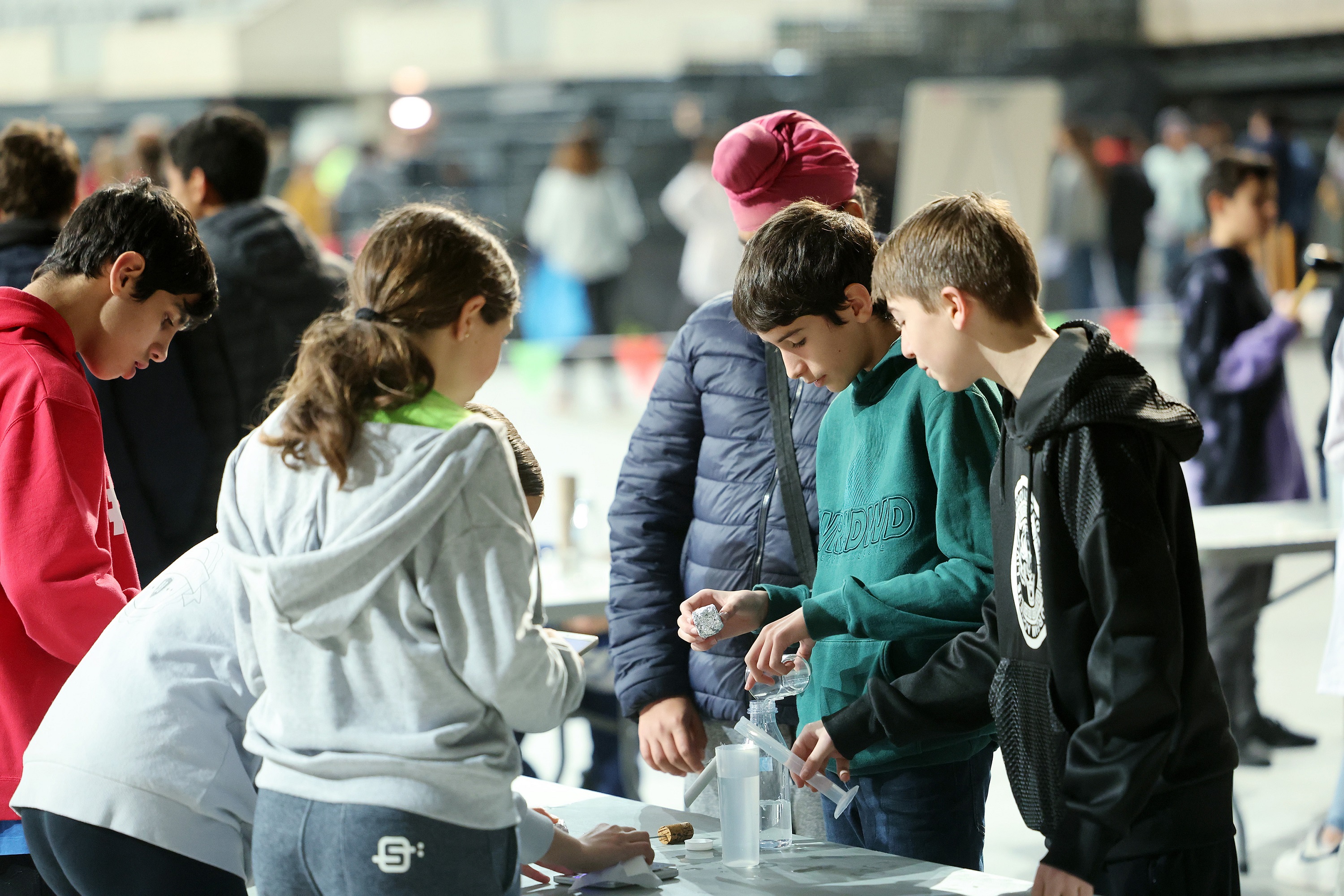
Today, Palau Sant Jordi hosted the first STEAM session of the year, centred on physics and chemistry 

Over 2,100 2nd and 3rd year secondary school students from thirty schools in Barcelona, the Metropolitan Area and Girona took part in STEAM Anella 

Fòrum Park, Tibidabo Amusement Park and the Zoo will be the next venues for these science, technology, engineering art and mathematics sessions, which aim to promote scientific vocations among secondary school students 

Barcelona is maintaining its commitment to the promotion of scientific vocations among secondary school students, and especially among girls. With this goal, and for the fifth consecutive year, Barcelona de Serveis Municipals and the Polytechnic University of Catalonia - Barcelona Tech (UPC)’s Barcelona East Engineering School present a new season of STEAM activities. 

During 2023, over 6,000 students will be taking part in the four science, technology, engineering, arts and mathematics sessions, held at such emblematic city venues as the Olympic Ring, the Fòrum Park, Tibidabo Amusement Park and Barcelona Zoo.  

The first session was held today at Palau Sant Jordi. Over 2,100 2nd and 3rd year students from 28 Barcelona, Metropolitan Area and Girona secondary schools took part in a morning of activities related to physics and chemistry. 

Each group-class enjoyed three supervised, 30-minute activities and a show. The activities were supervised by students from the UPC's EEBE and the shows were the result of collaborations between UPC teaching staff and artists from the Equidart dance group and the Mobby Dixie jazz band. Furthermore, throughout the morning, individually or in groups, the students were able to take part in five other activities which, unlike the others, did not require prior enrolment.       

The 15 available activities included workshops such as Perception, which involved using special glasses to experience how alcohol changes your perception of your surroundings and the danger that this entails while driving; Rockets, where they investigated the flight of a rocket propelled by air; and Lab, where they discovered the hidden materials behind some technological innovations, and they were even able to perform spherification. 

And there were new features in comparison to previous STEAM Anella sessions, such as the Pythagoras workshop, to experiment with and understand Pythagoras’ theorem using paper, scissors and a balance; an escape room with a setting celebrating the centenary of Einstein's visit to Barcelona, which also explained the role played by women scientists in the development and application of the theory of relativity. 

According to Laia Bonet, the Third Deputy Mayor and the president of BSM, “Barcelona is a scientific city, and this capital status also means encouraging vocations in secondary school students, especially girls, as a way of generating local scientific talent in the future. The STEAM sessions also showcase the city's commitment to making large emblematic venues available to city residents, such as the Olympic Ring, which at various times of the year hosts a number of cultural, social and family activities that are open to everyone”. 

For Josefina Antonijuan, the UPC's vice rector for Social Responsibility and Equality, “this activity is an opportunity for girls and boys to discover their passion and talent for STEM subjects. Technological growth is progressing exponentially and society needs a lot of qualified young people in these areas, and a greater number of girls, to ensure we create more inclusive technology and science”.

Last year, 6,000 students took part in the STEAM activities organised by BSM and the UPC 

In 2022, the STEAM activities organised by BSM and the UPC's EEBE brought together 6,079 secondary school and sixth form students, mostly from schools in Barcelona and its Metropolitan Area. 

In March, the Fòrum Park was the first of three city venues to be converted into a giant-sized science laboratory. A total of 1,585 4th year and sixth form secondary school students conducted experiments in the areas of biology, physics, mathematics, chemistry and technology. 

Next came the Olympic Ring. In April, the Lluís Companys Olympic Stadium played host to 1,525 2nd and 3rd year secondary school students. This time, the experiments were structured into five main areas: the brain, matter, energy, art and technology. In May, it was the turn of Tibidabo, with 2,397 students learning about physics with the park's attractions; and in November, for the first time ever, Barcelona Zoo hosted another science session, with the participation of 572 1st and 2nd year secondary school students. 

During this school year, over 6,000 students are taking part in STEAM activities organised by BSM and the UPC
Read the note
Fecha de publicación
News or press release?
Press release
Etiqueta
Imagen destacada
Imatge
Cuerpo

Some individuals of this freshwater species were known to be living in coastal zones of the Empordà region, but no images had yet been recorded of them coming out of the sea 

The images were taken as part of a monitoring project on the Alt Empordà coastline, carried out by the Catalan Ministry for Climate Action and the Barcelona Zoo Foundation with the support of Damm

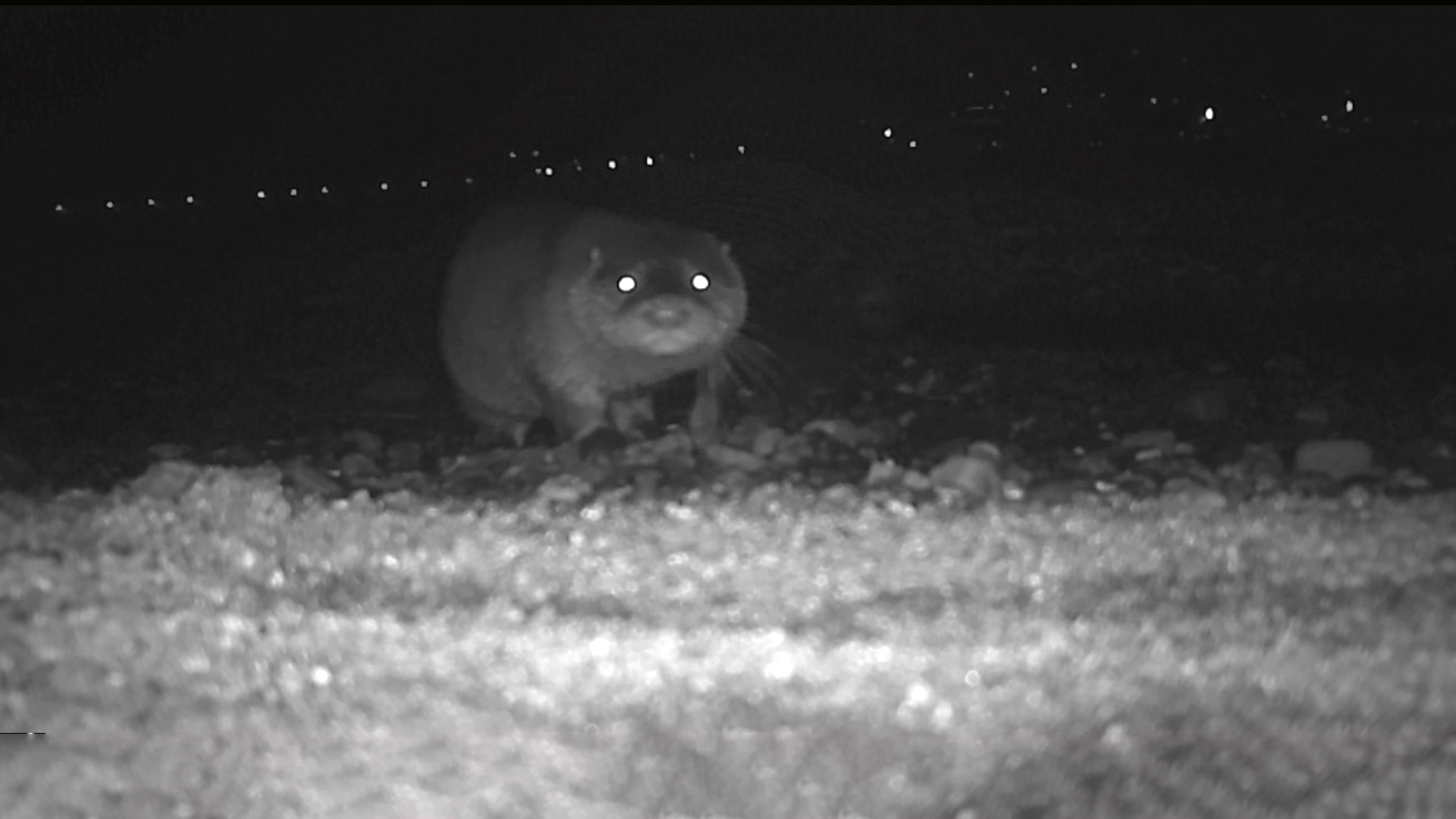
New breakthrough for the Project to characterise otters with coastal habits in the Alt Empordà, which is being conducted by the Ministry for Climate Action, Food and Rural Agenda and the Barcelona Zoo Foundation, with the support of Damm. The first ever images have been recorded of an otter coming out of the sea, a first in the whole of the Mediterranean Sea. 

The image of the otter was taken at a beach in the Cap de Creus area. Since 2016, and partly thanks to this pioneering project studying otter populations living in coastal parts of the Alt Empordà region, some ten individuals of this freshwater species are known to have been living in coastal parts of the Empordà region, but until now there were no records of them entering or leaving the sea.  

The individual caught on camera is an adult male who is a member of these first family groups of otters spending most of their time at sea. 

In order to gain more knowledge about these groups of otters living at sea, more methods will be used in 2023 to monitor the species. These include tracking techniques on foot and by boat to trace their movements, and photo trapping at strategic points to determine the number of family groups, their habits and their diet. 

Current situation of the otter in Catalonia 

Recent years have seen the otter (Lutra lutra) clearly regain its numbers in many river basins in Catalonia from which it had disappeared in the second half of the 20th century. The progressive reduction of non-organic river pollution and direct persecution (two factors which had reached levels incompatible with the species), coupled with the otter’s great capacity for dispersal, have led to the swift return of the species in Catalonia. What's more, 2002 saw the approval of The Otter conservation plan for Catalonia which provided for the application of protection measures and action to foster the growth of the population in rivers and other freshwater ecosystems. 

The Ministry for Climate Action, Food and Rural Agenda, together with the Barcelona Zoo Foundation, are currently actively involved in monitoring the species with land and sea transects, as well as photo trapping techniques.  
 

First images of an otter coming out of the Mediterranean Sea captured at Cap de Creus
Read the note
Fecha de publicación
News or press release?
Press release
Etiqueta
Componentes
white

Minimum rules for taking part have been established for proper communication on social media operated by Barcelona de Serveis Municipals, so that respectful, tolerant and productive communication can be held with city residents. 

Any user can post comments as long as they meet the following requirements: 

•    They are relevant, that is, they do not stray from the issue under discussion. 
•    They are respectful and do not offend or undermine the dignity of others. 
•    They do not contain personal data. 
•    They are not intended to mislead, disorientate or trick city residents. 
•    They do not infringe any copyright or other intellectual-property laws. 
•    They have no promotional or spam content. 

Offensive or inappropriate comments will not be published and people who do not respect these requisites will be blocked. Barcelona de Serveis Municipals will only take responsibility for content it publishes on its channels.

Rules for taking part in BSM social media
Imagen de cabecera
Imagen destacada
Imatge
Cuerpo

The site offers a series of videos featuring the Port School, Maritime Rescue and the Barcelona Harbourmaster, as well as meteorologist Tomàs Molina.   

Each video features nautical experts explaining what to do if caught by an unexpected change in the weather out at sea, an increasingly common scenario owing to global warming 

Global warming is causing the weather in Catalonia to become increasingly tropical. According to experts, this means weather conditions are becoming much more variable and unpredictable. This change is more conducive to the appearance of new weather phenomena which can pose a safety risk to vessels at sea. 

In view of this new reality, the Olympic Port has launched a new website with videos where different experts in nautical matters offer advice on how to act when caught by an abrupt change in weather conditions out at sea. This initiative by the Olympic Port enjoys the collaboration of the Port School, Maritime Rescue and the Barcelona Harbourmaster, as well as meteorologist Tomàs Molina. 

There are five videos in all, featuring nautical training professionals from the Port School, based at the Olympic Port. Each video gives advice such as the best order to gather in sails in the middle of a storm, how to sail in adverse conditions or what to do in an emergency while sailing. There’s also an introduction by meteorologist Tomàs Molina, explaining the importance of planning sea trips. 

Olympic Port: under transformation and committed to popular nautical activity

This project is another example of the changes being implemented to turn the Olympic Port into a new city space committed to nautical activity. Barcelona City Council is currently carrying out a major transformation of the Olympic Port through Barcelona de Serveis Municipals (B:SM). The goal is to make the port into a space where the blue economy, sport, nautical pursuits and gastronomy are at the centre of social and economic activity. These changes are starting to become visible and are progressing at a good pace, with the America’s Cup on the horizon. 

In the nautical sphere, one of the aims for the Olympic Port is to revitalise the activity of the operators based there, helping to develop synergies and foster the emergence of new activities and collaboration projects with marine dissemination as the common thread. 


The Olympic Port launches a new website with sailing tips for abrupt changes in the weather 
Read the note
Fecha de publicación
News or press release?
Press release
Imagen destacada
Imatge
Cuerpo

The new family group is composed of a female and two pups, born in the summer

The discovery was made possible thanks to the “Otter Monitoring and Study Project in the Besòs and Tordera Basins” which is being carried out by the RIVUS and Barcelona Zoo foundations, with the support of the Catalan Ministry of Climate Action, Food and Rural Agenda  

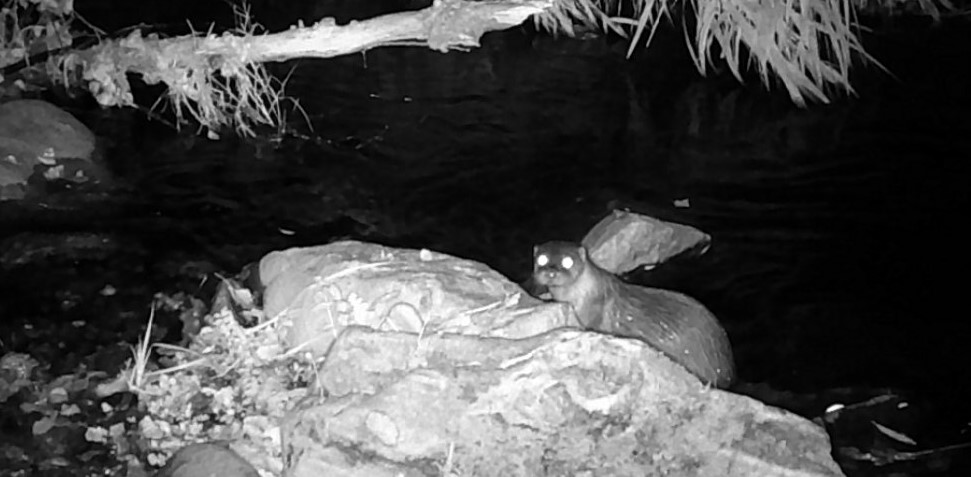
Otters have reproduced in the Mogent river for the first time in more than four decades. This is confirmed by the images recorded with the camera traps installed as part of the “Otter Monitoring and Study Project in the Besòs and Tordera Basins” which is being carried out by the RIVUS Observatory, part of the RIVUS Foundation, and the Barcelona Zoo Foundation, with the support of the Catalan Ministry of Climate Action, Food and Rural Agenda. 

The new family group is composed of a female and two pups, born in the summer, who now venture out on a daily basis accompanied by their mother. This will continue until they are about a year old, which is the average age for this species to leave their mother and make their own home.   

In recent years, individuals of this species have been detected from time to time in this tributary of the Besòs river, but these were otters from other areas who were just passing through. They were individuals visiting the Mogent river as a dispersion and hibernation area, but not a breeding ground.  

Last year, this same project enabled us to confirm, for the third year running, that otters were breeding in the Besòs river basin  (2020, in the Congost and 2021, in the Ripoll), always in peaceful, productive and ecologically functional areas. It is estimated that the current population in this basin is comprised of 10 individuals.

According to Arnau Tolrà, ecologist and researcher responsible for the study, the project results suggest that “the incipient recovery of this species in the basin is visibly subject to human restrictions, such as the simplification of the habitat and over-frequentation, the effects of which translate into a population that is still highly localised and vulnerable at a local level”. 

For Antoni Alarcon, director of Barcelona Zoo, “this finding underscores the importance of working to ensure the conservation of habitats in order to preserve biodiversity. And even more so in habitats that are as stressed and problematic as the basins of the Besòs and Tordera, which are markedly Mediterranean rivers. The efforts to recover this species have been going on for a number of years, resulting in the great news that this family of otters has been spotted in the Mogent river. So far it is a one-off event, but it certainly gives us cause to feel the hope that spurs us on. That’s why Zoo technicians, under the framework of the Barcelona Zoo Foundation, together with the RIVUS Foundation and support of the Ministry of Climate Action, are working on monitoring this species which is indicative of the recovery of river habitats”. 

The reason for the otter’s disappearance from the Besòs basin in the 20th century was the combined effects of water pollution, human persecution and degradation of their habitat. Years later, a reduction in pollution and their legal protection, coupled with the species’ great dispersive capacity, have enabled their return to a large number of the basins from which they had disappeared, including the most humanised.

The Tordera river basin is now home to a stable population of around 20 otters 

The situation of otters in the Besòs river basin contrasts with that in the neighbouring Tordera basin, where despite having returned at more or less the same time and also being conditioned by notable human pressures, the greater availability of a suitable habitat is enabling the establishment of a larger population, estimated to be made up of approximately 20 individuals.

Indeed, the main aim of the “Otter Monitoring and Study Project in the Besòs and Tordera Basins”, launched in 2018, is to assess the current challenges faced by the species and its ecological community and thereby identify measures that will make human activity compatible with the conservation or our waterways. 

Logos l’Observatori RIVUS, dins la Fundació RIVUS, i la Fundació Barcelona Zoo

Otters reproduce in the Mogent river for the first time in 40 years
Read the note
Fecha de publicación
News or press release?
Press release
Imagen de cabecera
Imagen destacada
Imatge
Cuerpo

The CEO of BSM, Marta Labata, has been appointed Deputy Chair of the Excellence in Management Club. This is a non-profit multi-sectoral association that facilitates the transformation of business organisations and promotes excellent, innovative and sustainable management. BSM has been a member since 2020. 

Founded in 1991, the Excellence in Management Club is made up of over 230 organisations from various sectors and of various sizes. In addition, as a representative of the European Foundation for Quality Management (EFQM) in the Spanish State, it promotes the use of the EFQM model as a transformation tool, training and advising organisations - which earn recognition with the EFQM seal - that opt for excellence and the cutting-edge in business management. 

According to Marta Labata, “we have been linked to the Excellence in Management Club for many years, learning through the activities that are organised and working to ensure progress along the path to excellent, innovative and sustainable management. I thank our members for their confidence. I am very excited about the responsibility I am taking on and I hope to contribute as much as possible to the continuing improvement of the transformation processes we need to tackle to face the great challenges of the future”. 

BSM aims to be the EFQM Model benchmark in the public sector and to lead its implementation among the enterprises in its ecosystem. 
 

Marta Labata, the new Deputy Chair of the Excellence in Management Club
Read the note
Fecha de publicación
News or press release?
Press release
Imagen destacada
Imatge
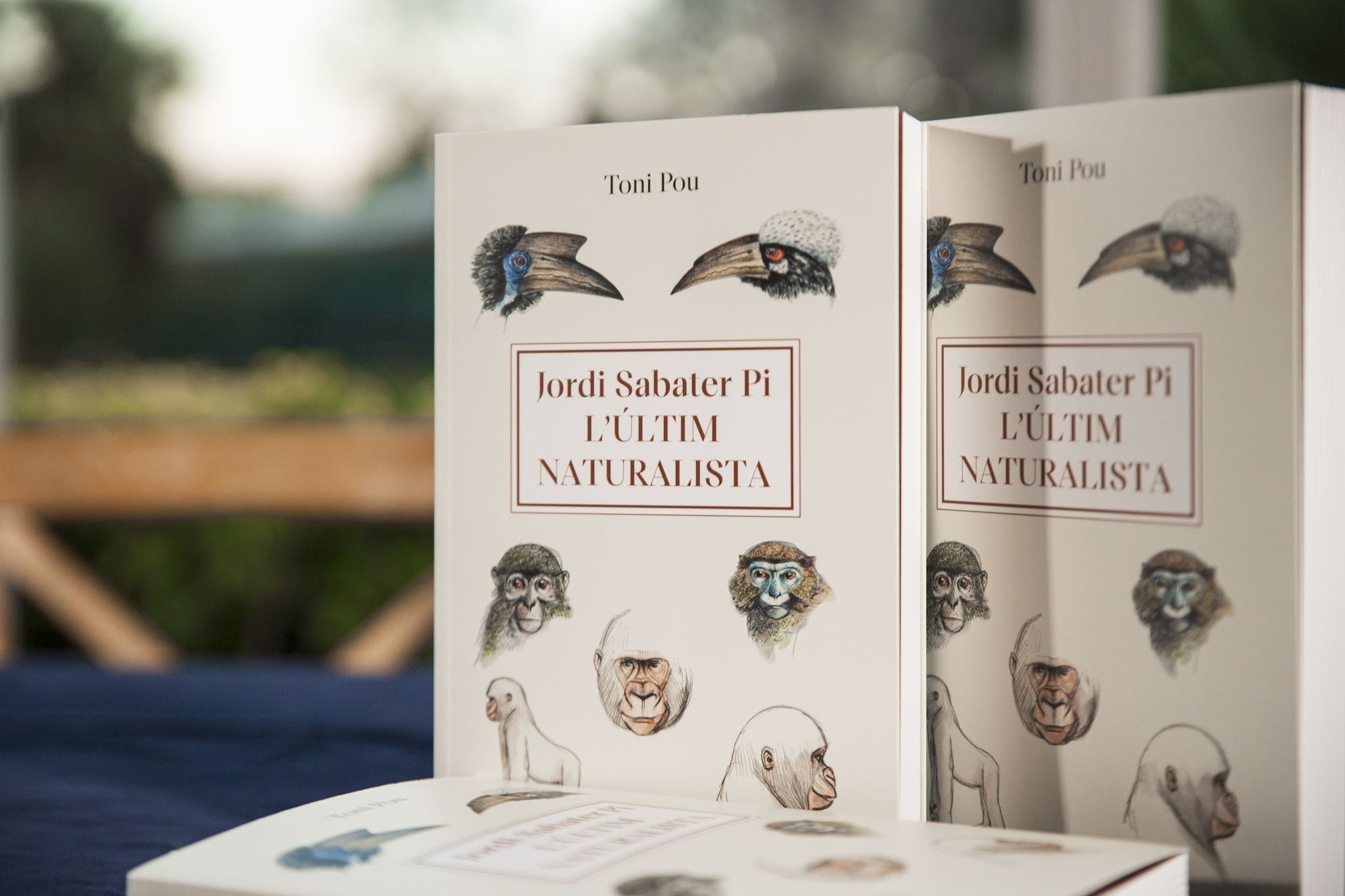
Cover of the book 'Jordi Sabater Pi. The Last Naturalist'
Cuerpo

Published by Barcelona City Council and Edicions de la Universitat de Barcelona, the book tells the story and legacy of one of the most important Catalan scientists of the 20th century who, among many other outstanding contributions, discovered Floquet de Neu / Snow Flake

Taking part in the presentation ceremony were the Third Deputy Mayor and Chair of the Barcelona Zoo Foundation Zoo, Laia Bonet, the book’s author, Toni Pou and Oriol Sabater, the scientist's son

The event also featured the official opening of the travelling exhibition entitled “Maa-Yiem, the extraordinary history of Jordi Sabater Pi”, commissioned by Alfons Par, which is showing at Barcelona Zoo until 12 September 

Barcelona Zoo has hosted the presentation of the book Jordi Sabater Pi. L’últim naturalista, written by Toni Pou and published by Barcelona City Council and Edicions de la Universitat de Barcelona. This is a pioneering piece of research into the life and intellectual adventures of one of the 20th century’s most important Catalan scientists. The book presents the epistolary legacy, revealing details of the history of Barcelona Zoo and the city based on the letters that Sabater Pi wrote or received during the nearly thirty years that he lived in Africa and how he managed to revolutionise some aspects of human knowledge. 

Taking part in the presentation event were the Third Deputy Mayor and Chair of the Barcelona Zoo Foundation Zoo, Laia Bonet, the book’s author, Toni Pou, and Oriol Sabater, the scientist's son and chair of the board of the Jordi Sabater Pi Collection in the UB's Resource Centre for Learning and Research (CRAI) 

Coinciding with the presentation of the book was the official opening of the travelling exhibition entitled “Maa-Yiem, the extraordinary history of Jordi Sabater Pi”, commissioned by Alfons Par, which is on display in the Zoo’s 120th Anniversary Classroom until 12 September this year. The exhibition takes an in-depth look at this famous Catalan primatologist.     

Centenary of the birth of Jordi Sabater i Pi

Considered one of the world's leading scientists in the study of primates in their natural state and a discoverer of amphibian species and African birds, Jordi Sabater i Pi (1922 - 2009) was a pioneer in primatology in Catalonia and a key figure in ethnology. He was initially self-taught and made the most of the time he spent in the former Spanish colony of Equatorial Guinea, from 1940 to 1969, to embark on his first research in the fields of anthropology and ethology. Work which, over time, led him to revolutionise the scientific world with various discoveries.

Part of his research work was based on studies of the cultural areas of chimpanzees, the discovery of a species of giant frog (Conraua goliath) in the Mbia River Falls and the identification of honeyguide birds (Melichneutes robustus), as well as the culture and language of the Fang people of Equatorial Guinea. His observations of primates in the Okorobikó mountains in the 1960s enabled him to discover some capacities among that species for making and using tools.

Sabater i Pi received various international awards with the publication in 1969 of some of the conclusions of his studies in the magazine Nature.

In addition to these discoveries, however, it was his encounter with a small albino gorilla that made his name locally. It happened during his stay in Bata, in Equatorial Guinea, while he was conducting a study on the coastal gorilla population. Jordi Sabater i Pi called the little gorilla Floquet de Neu [Snow Flake] and had him sent to Barcelona Zoo.

Barcelona Zoo hosts the presentation of the book ‘Jordi Sabater Pi. L’últim naturalista’, by Toni Pou
Read the note
Fecha de publicación
News or press release?
Press release
Imagen de cabecera
Imagen destacada
Imatge
A woman charging her electric car in the Endolla Barcelona network in a B:SM car park
Cuerpo

The Barcelona de Serveis Municipals (BSM) e-mobility network registered more than 100,000 uses and reached 16,036 users

The recharges carried out led to the saving of more than 7,400 tonnes of CO2 

Over the course of 2023, 300 new electric vehicle charging points will be installed in the BSM Parking Network, which will be added to the more than 700 currently in operation

The Barcelona de Serveis Municipals (BSM) e-mobility network, Endolla Barcelona, ended 2022 with a notable increase in the number of users and recharges completed. The network currently has 16,036 users, an increase of 68% compared to a year ago. During the course of 2022, the network recorded more than 100,000 uses, a 60% increase on the previous year. The figures confirm the upward trend for Endolla Barcelona and represent record numbers since the network was created. 

Specifically, during 2022, the BSM e-mobility network registered a total of 107,344 electric vehicle charges. This usage meant a supply of 1,134,000 kWh, some 102% more than in 2021. 

In environmental terms, over the course of the year, enough energy was provided to cover more than 36 million kilometres. Travelling this distance using combustion vehicles would have generated more than 7,400 tonnes of CO2, the same volume of emissions generated by 250 flights between Barcelona and Madrid. 

Endolla Barcelona to reach 1,000 charging points this year  

The public e-mobility network will continue to grow. By the end of 2023, Endolla Barcelona will have 1,000 charging points. During the course of the year, 300 new points will be added around the city. These come in addition to the 711 points currently in operation. The aim of Endolla Barcelona is to continue to support citizens in the transition towards electric vehicles and make Barcelona a leading city in the field of e-mobility. 

The new charging points will be located in BSM car parks, which already house 7 out of 10 existing points. This roll-out strategy ensures that expansion takes place uniformly throughout the city's neighbourhoods and makes it easier for Barcelona residents without a charging point at their homes or jobs to make the leap to e-mobility. 

Installing the charging points in car parks also helps minimise the occupancy of public space, reducing other consequences linked to parking and encouraging planned recharges during off-peak hours.     

The supply of on-street charging points - designed for unplanned, quick recharges - will remain the same.

According to Barcelona City Council's Mobility Councillor, Laia Bonet, "the growth of Endolla Barcelona demonstrates the city's leadership in the field of e-mobility. The public charging network is progressing equally in all neighbourhoods to support citizens in the transition to electric vehicles. This is taking place through a roll-out model that is considerate of the public space while taking into account challenges such as efficient energy use and the sector’s evolution over the coming years." 

Endolla Barcelona is the leading public e-mobility network in Spain 

With 711 charging points, Endolla Barcelona is currently the largest public e-mobility network in Spain. There are currently 7.1 points per km2 distributed evenly throughout the city’s neighbourhoods, with one charging point for every 11.4 electric vehicles and an average service availability of 96%. Added to all the other charging points used by the public, these make Barcelona Europe’s second city in the number of charging points per km2, behind Stockholm, and the fourth in number of points per resident, behind Stockholm, Gothenburg and Oslo.

Endolla Barcelona contributes to a more sustainable and efficient energy transition

Endolla Barcelona follows a strategy of smart and flexible growth, consistent with the evolution this sector is still to make. BSM is also involved in a number of innovative projects as part of public-private partnerships, with goals including progress towards energy savings and intelligent management of the charging network. 

One of these projects, planned for the first quarter of the year at the BSM Porta de Sarrià car park, will test the scheduled charging of electric vehicles at BSM car parks, making the most of times when the demand for energy is lowest. Besides contributing to a more efficient use of energy, this will mean monetary savings for Endolla Barcelona users. This is a pilot project that is part of the eCharge4Drivers programme, a European project co-funded by the European Union as part of the Horizon 2020 Research and Innovation Programme, in which Barcelona is participating through the Endolla Barcelona e-mobility network.

Endolla Barcelona closes out 2022 with 60% more recharges and over 16,000 users
Read the note
Fecha de publicación
News or press release?
Press release
Imagen destacada
Imatge
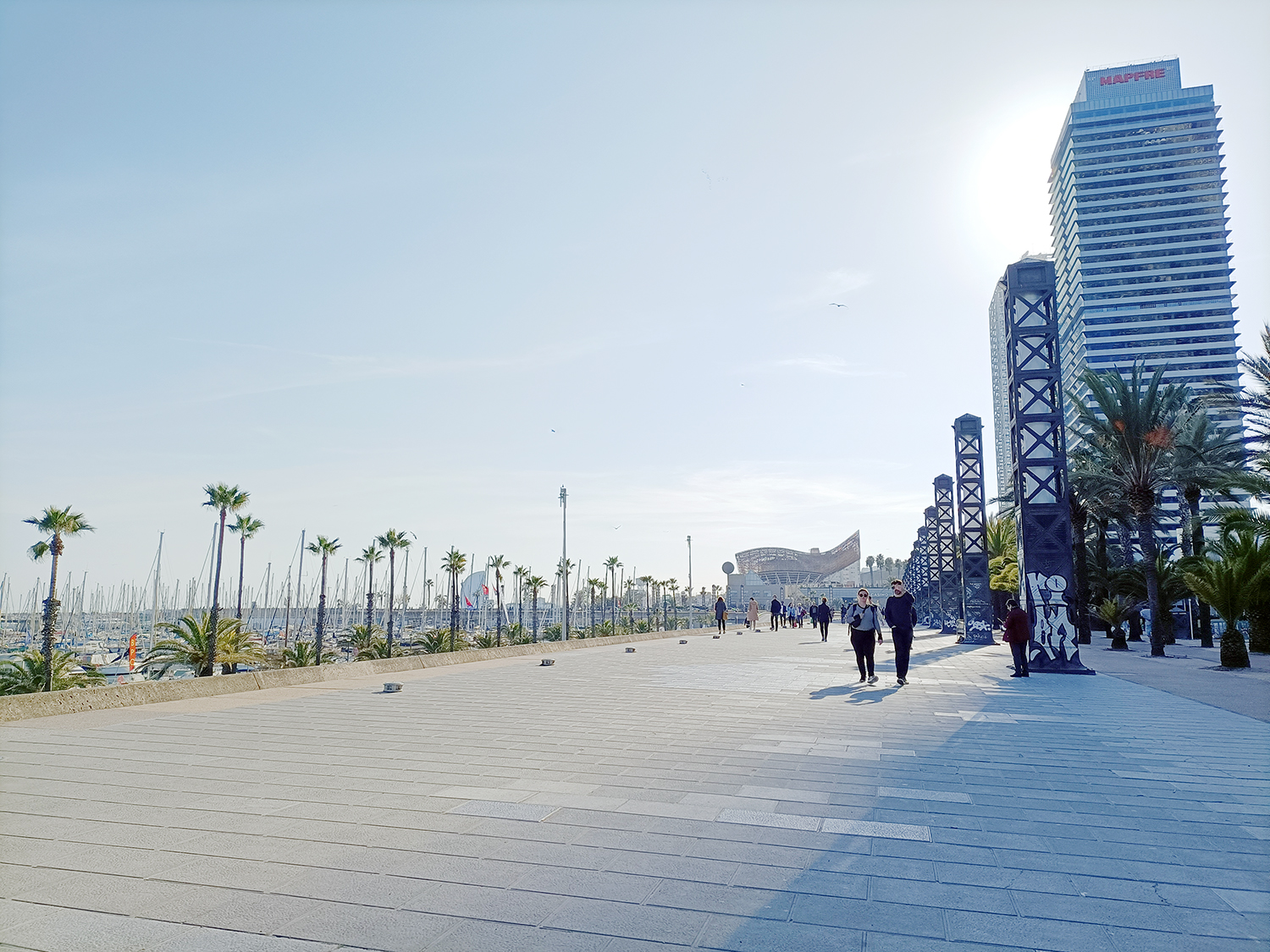
Passeig Marítim bordering the Olympic Port of Barcelona
Cuerpo

The work is part of the redevelopment of spaces to house businesses and entrepreneurs in the blue economy at the Moll de Mestral wharf  

The goal is to resolve the problems of water filtration affecting the premises located under Passeig Marítim

The work is to last eight months, with pedestrians and cyclists guaranteed right of passage at all times  

This week saw work get under way to renew weatherproofing in the section of the seafront next to the Olympic Port (C/ Marina – Moll de Gregal wharf). The work is part of the project to turn the Moll de Mestral wharf into a hub for blue-economy businesses and entrepreneurs. 

The work should resolve the water-filtration problems currently afflicting premises that have been renovated since September to house new business uses. The work will be carried out between January and August and involves removing the paving at the seafront so that it can be re-laid and weatherproofed. 

The work will be carried out in stages, to minimise as far as possible any interference with activities and pedestrian movement along Passeig Marítim. The first stage will see work carried out from January to April in the section from C/ Marina to the middle of Passeig Marítim, where the new entrance will be for the Olympic Port. The second stage will be from April to August, in the section from the entrance to the Moll de Gregal wharf. Pedestrians and cycles will still be able to circulate during both these stages, thanks to the establishment of alternative pathways. 

With a budget of 1.3 million euros, the work will also be used to revamp the lighting along the seafront.  

The city's first blue-economy hub

The Olympic Port is being readied to become the city’s first blue-economy centre. Activity will be concentrated at the Moll de Mestral wharf and the premises located beneath the sea wall, specialising in four main areas: sailing activities; sailing services; innovation, research and technology and the circular economy. 

The new offices are expected to go into service gradually, between the summer of 2023 and the first quarter of 2024. They will be able to house around fifty businesses and entrepreneurs. 

Tasked by Barcelona City Council to transform the Olympic Port, Barcelona de Serveis Municipals (BSM) will start the process to select the businesses for the port this quarter,  according to public-competition rules. 
 

Work gets under way to renew weatherproofing at the seafront by the Olympic Port
Read the note
Fecha de publicación
News or press release?
Press release
Etiqueta