Imagen destacada
Imatge
Cuerpo

The Barcelona Zoo Foundation has taken part in the study “The State of Biodiversity in Spain”, coordinated by the Loro Parque Foundation‘s Macaronesia Species Survival Centre and the Spanish Committee of the International Union for Conservation of Nature

The study‘s conclusions are published today throughout Spain, to coincide with the International Day for Biological Diversity

Since its creation in 2013, the Barcelona Zoo Foundation has launched over 500 research and conservation projects aimed at fostering biodiversity

In Catalonia, there are 27 critically-endangered species and 84 endangered species. These are some of the conclusions made in The State of Biodiversity in Spain, a study coordinated by the Loro Parque Foundation‘s Macaronesia Species Survival Centre and the Spanish Committee of the International Union for Conservation of Nature, in which the Barcelona Zoo Foundation took part. 

The report, which is published throughout Spain today, on the occasion of the International Day for Biological Diversity, signifies a leap forward in terms of our real understanding of the risk to many species. The study is based on the worrying diagnosis made by the UICN in its Red List of Endangered Species, which establishes that there are currently 193 critically endangered, 418 endangered and 498 vulnerable species in Spain. Starting with this list, the study has made it possible to unify scientific data and criteria in order to improve available scientific information and harmonise the loss-of-biodiversity indicators used by the various administrations and organisations involved in defending the natural environment. This has made it possible to discover a 65% discordance between the species registered on the National Catalogue of Threatened Species, the data compiled by Spain‘s autonomous communities and the UICN‘s registers. 

The Situation in Catalonia

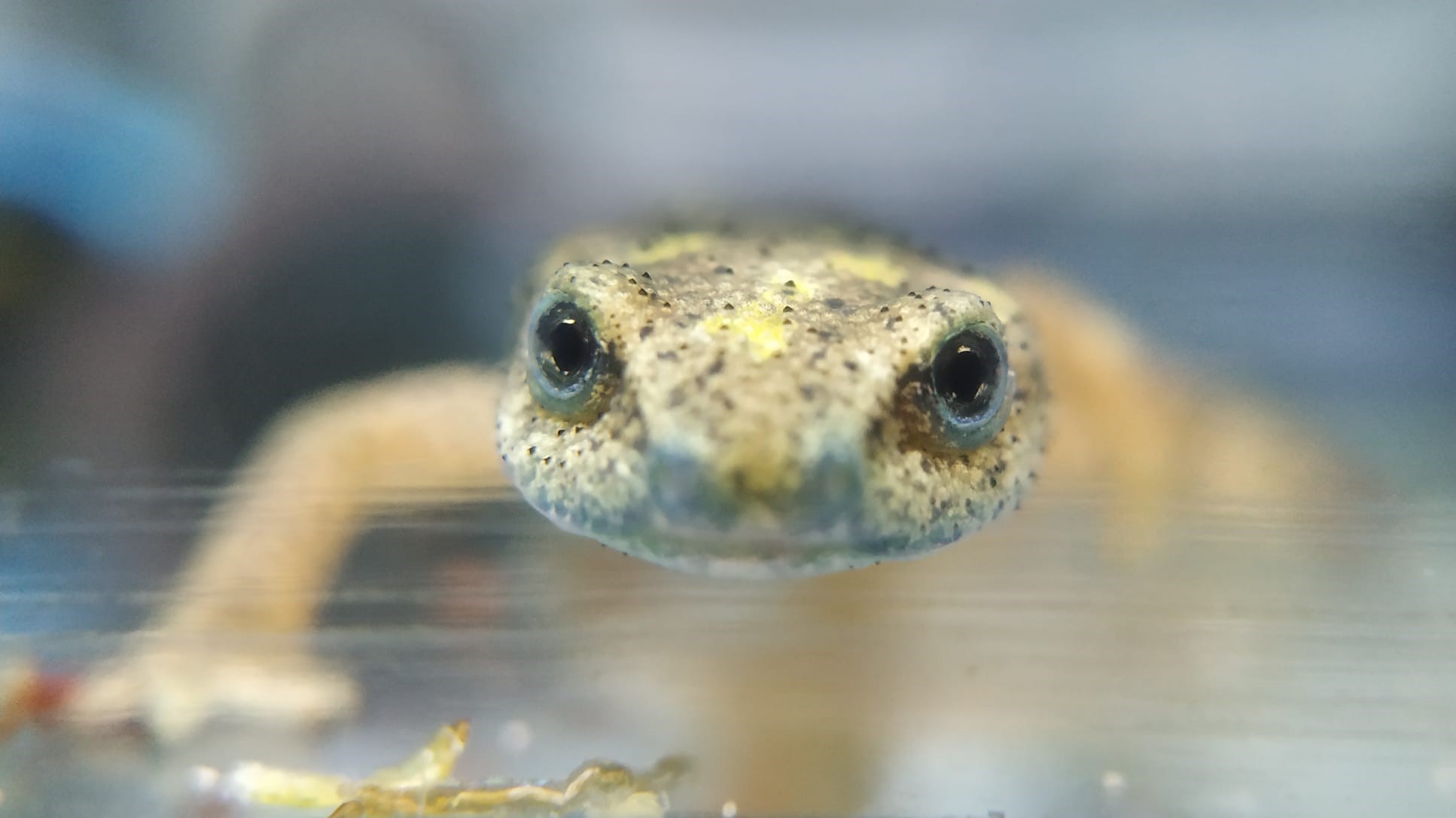
According to The State of Biodiversity in Spain, there are 27 critically endangered species and 84 endangered species in Catalonia. The most endangered taxonomic group is the arthropods, with 33 species, followed by sharks and rays, with 26, and plants, with 14. The critically endangered species in Catalonia include the Montseny brook newt (Calotriton arnoldi), the Mediterranean fan mussel (Pinna nobilis) and the European polecat (Mustela putorius).

The study has also identified six hot points for critically endangered species: the Ebro Delta, the Serra del Montsant Natural Park, the Montseny Natural Park and some areas of the Cap de Creus Natural Park and the Alt Pirineu Natural Park.  

Barcelona Zoo, committed to biodiversity

In this situation, where biodiversity is suffering a silent extinction, places such as the Barcelona Zoo play a vital role in preventing the disappearance of species on the brink of extinction. 

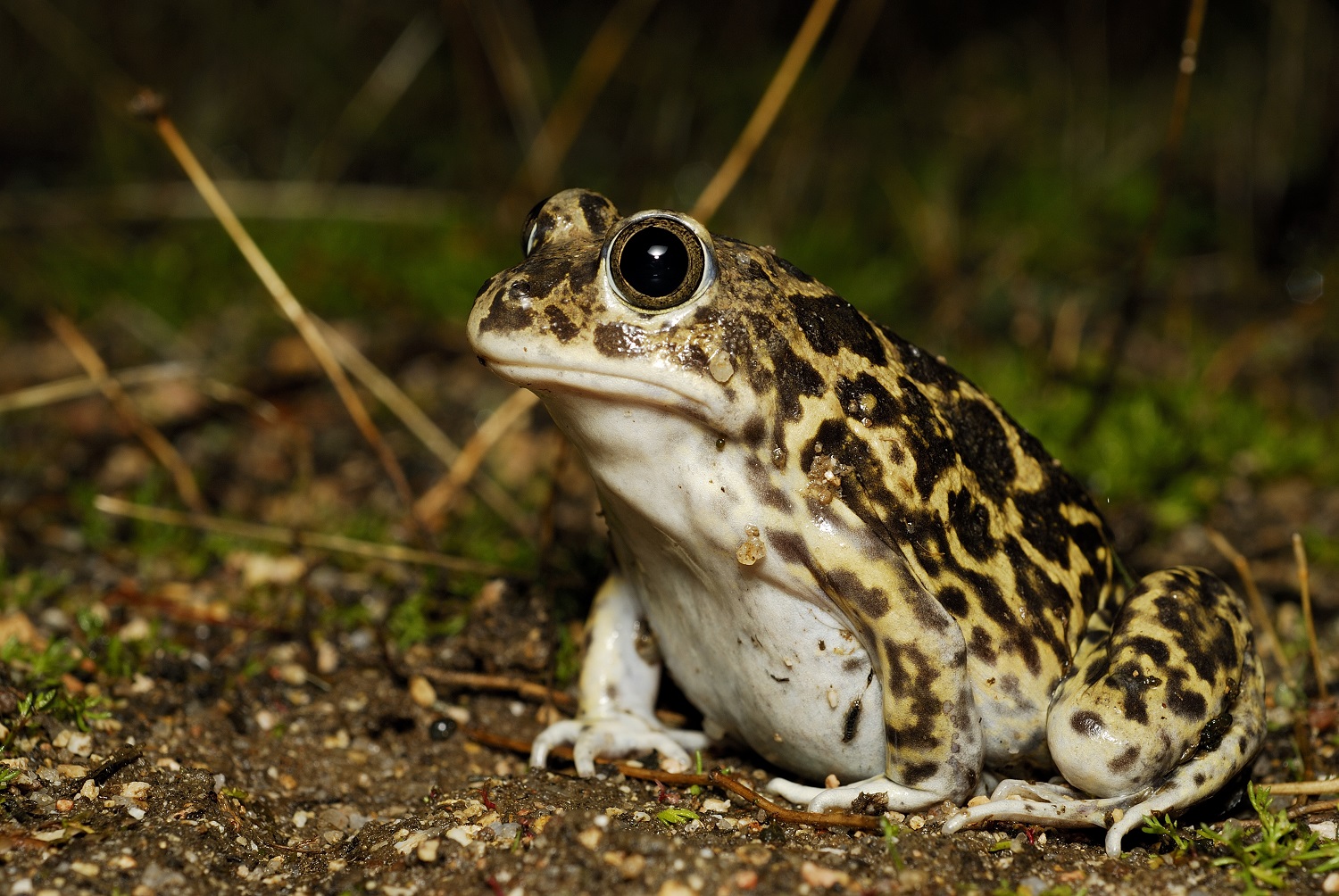
Since its creation in 2013, the Barcelona Zoo Foundation has created multidisciplinary teams, with the aim of planning and carrying out conservation projects, either ex situ or in the environment concerned, as well as global conservation plans aimed at reversing the progressive disappearance of our most endangered native species. Projects like the ones for reintroduction of the Montseny brook newt and the Majorcan midwife toad are good examples of this policy. It carries out this work with the collaboration of the most important research centres in Spain, administrations, NGOs and the scientific community.

As part of The State of Biodiversity in Spain, the Barcelona Zoo Foundation carried out an educational citizen science project using the iNaturalist app. The goal is to raise people‘s awareness and sensitivity, involving them in the collection of data that will be of great use in helping researchers to establish future conservation plans. 

Download the complete report here
 

111 species in Catalonia are endangered
Read the note
Fecha de publicación
News or press release?
Press release
Etiqueta
Imagen destacada
Imatge
Cuerpo

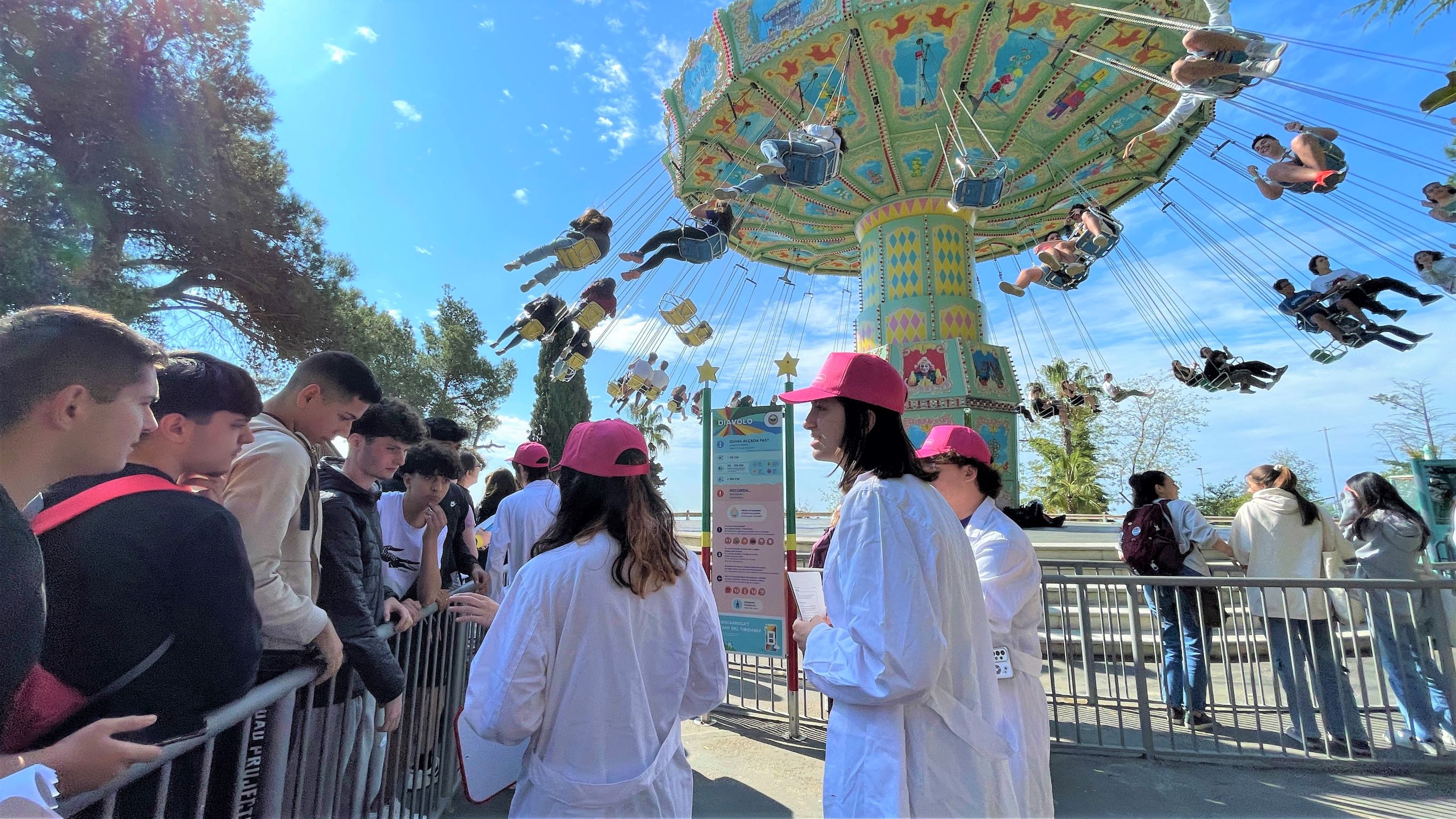
Today, the Tibidabo Amusement Park welcomed more than 2,400 4th year Baccalaureate and compulsory secondary education students from around seventy schools 

Tibidabo has hosted a series of STEAM activities related to physics organised by Barcelona de Serveis Municipals (BSM) and by professors of the Physics Engineering Program at the Polytechnic University of Catalonia (UPC)

For a day, Tibidabo becomes a physics laboratory. Throughout the morning, the Amusement Park hosted a new edition of Fisidabo, a day of scientific activities organised for the sixth consecutive year by Barcelona de Serveis Municipals (BSM) and professors from the Physical Engineering Programme at the Barcelona School of Telecommunications Engineering of the Polytechnic University of Catalonia - BarcelonaTech (UPC), led by Professor Luis Carlos Pardo.

This year, the Fisidabo has reached a record number of participants, with a total of 2,487 4th-year Baccalaureate and compulsory secondary education students. A total of 71 schools attended, 54 of which were from the city of Barcelona and the metropolitan area, and the remaining 17 from other parts of the territory (12 from the districts of Girona, 4 from Lleida and 1 from Tarragona). 

The STEAM project is based on the promotion of science among young people with the aim of encouraging scientific vocations in a fun and academically rigorous way. At the same time, it has a particular focus on girls to help break down stereotypes and encourage scientific vocations among girls by encouraging female scientific leaders.

At the top of Tibidabo, students took measurements, did calculations and applied their knowledge of physics, both inside and outside of the area of the amusement rides. The rides have been turned into scientific tests with the aim of providing students with knowledge through hands-on experiments.

Among other tasks, the participants had to calculate the acceleration, speed and energy of the Roller Coaster, study the forces acting on the Piratta, see why the Miramiralls mirrors reflect the images in different ways or discover how quickly the Cuca de Llum funicular railway reaches the top of the mountain. 

Conferences such as Fisidabo also contribute to promoting pedagogical innovation in the classroom because students participate in the experiments after having worked on in-class material prior to the STEAM sessions. There is also a firm commitment to improving the educational qualifications of teachers: on 19 April, a training session for teachers was held at the Tibidabo Amusement Park.

STEAM BSM: educational innovation in emblematic areas of the city

The Fisidabo is part of an educational project based on the STEAM methodology that BSM and the UPC have co-organised together for the last six years. Over the course of the year, it takes place during four sessions in emblematic spaces in Barcelona. These sessions have already been held at the Palau Sant Jordi and the Parc del Fòrum, with a total of more than 3,600 participants.

The next STEAM session will take place on 16 November at the Zoo de Barcelona. In this way, BSM continues to reinforce its commitment to the social and educational use of some of the emblematic spaces in Barcelona that it manages. 

Record number of students participating in the 6th Tibidabo science day
Read the note
Fecha de publicación
News or press release?
Press release
Etiqueta
Imagen destacada
Imatge
Cuerpo

Registration for this popular race opens on 17 May

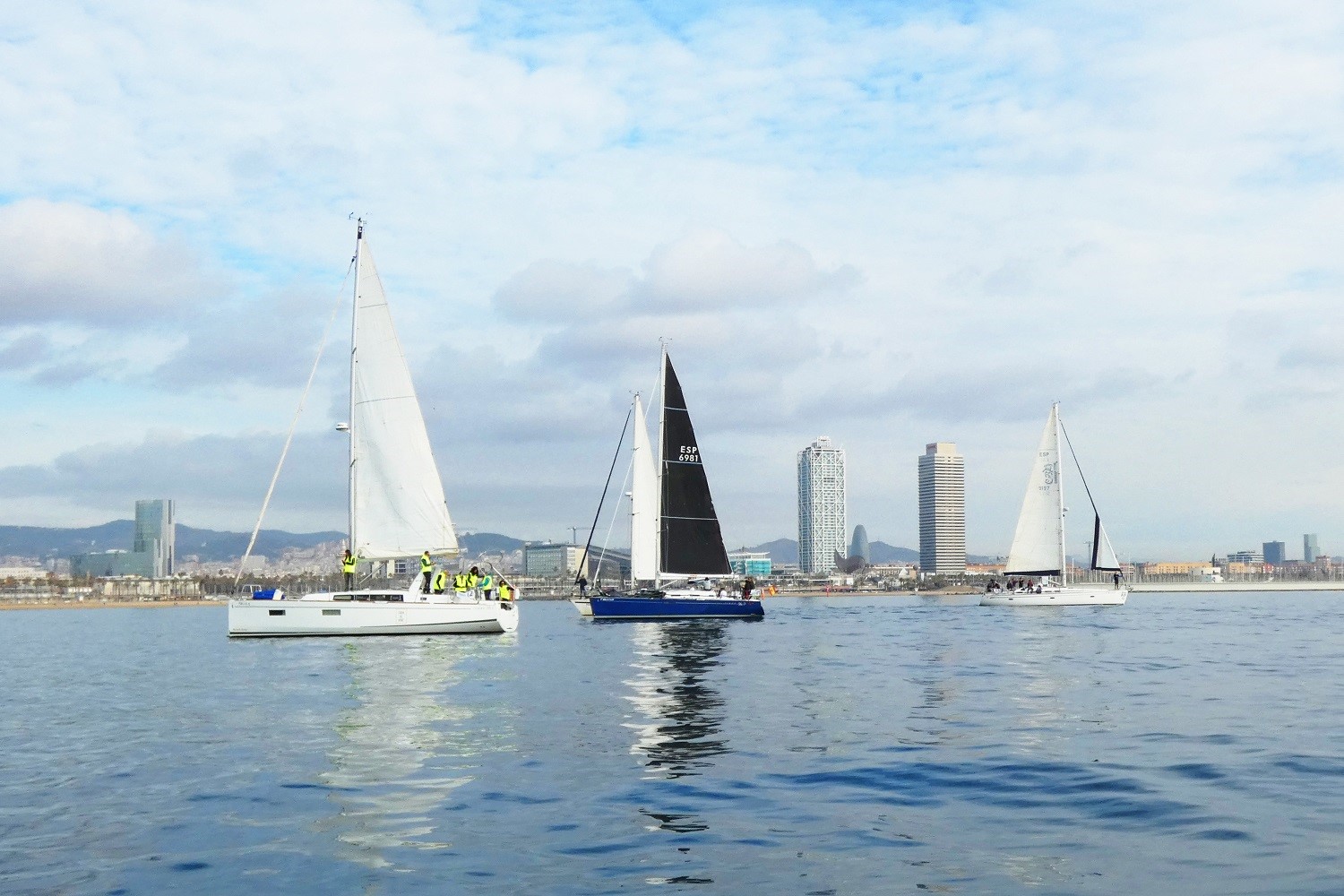
In collaboration with the Club de Mar Port Olímpic, the Port Olímpic is organising the first edition of the Polar Regatta. This popular race will start from the Port Olímpic on 8 September and will head towards Sant Carles Marina (Sant Carles de la Ràpita), crossing the Costa Daurada. 

Registration for the regatta starts today, 17 May, on the website of the Club de Mar Port Olímpic (the event's co-organiser). The route will be around 100 miles, passing through some of the most famous spots along the Catalan coastline, such as the Sant Jordi golf course, the Tortosa cape and the Ebro delta, among others. 

The Polar is conceived as a popular race that will be held at a constant distance of 12 miles off the coast. This allows all the vessels already competing in other races organised by the Port Olímpic to take part.

The competition will complement the current offering of short regattas organised by the Club de Mar Port Olímpic, including the Lliga Social and the Barcelona 4 Clubs (co-organised with the Reial Club Marítim de Barcelona, the Reial Club Nàutic de Barcelona and the Club de Vela de Badalona). 

The Port Olímpic epicentre of regattas and the driving force behind nautical activities 

The Polar Regatta is an initiative arising from the desire of the Port Olímpic's companies and nautical organisations to organise a long-lasting popular regatta. It is also in line with the role that the Port Olímpic wishes to play: a driving force for nautical activity and a promoter of shared initiatives that will establish this area as a stage for regattas and other marine recreation activities. 

The Port Olímpic will also play an important role during the celebration of the America's Cup in 2024, hosting the youth and women's regattas. The youth and women's regattas will be held for the first time in the history of this important event.
 

The Port Olímpic is promoting the first edition of the Polar Regatta, which will join Barcelona with Sant Carles de la Ràpita
Read the note
Fecha de publicación
News or press release?
Press release
Etiqueta
Imagen de cabecera
Imagen destacada
Imatge
Cuerpo

Tibidabo‘s funicular railway has been nominated for the ‘Sustainable Transport Projects’ category

These prestigious awards distinguish architecture, design and innovation projects

Anyone can take part in the popular vote process, which is open until 30 May

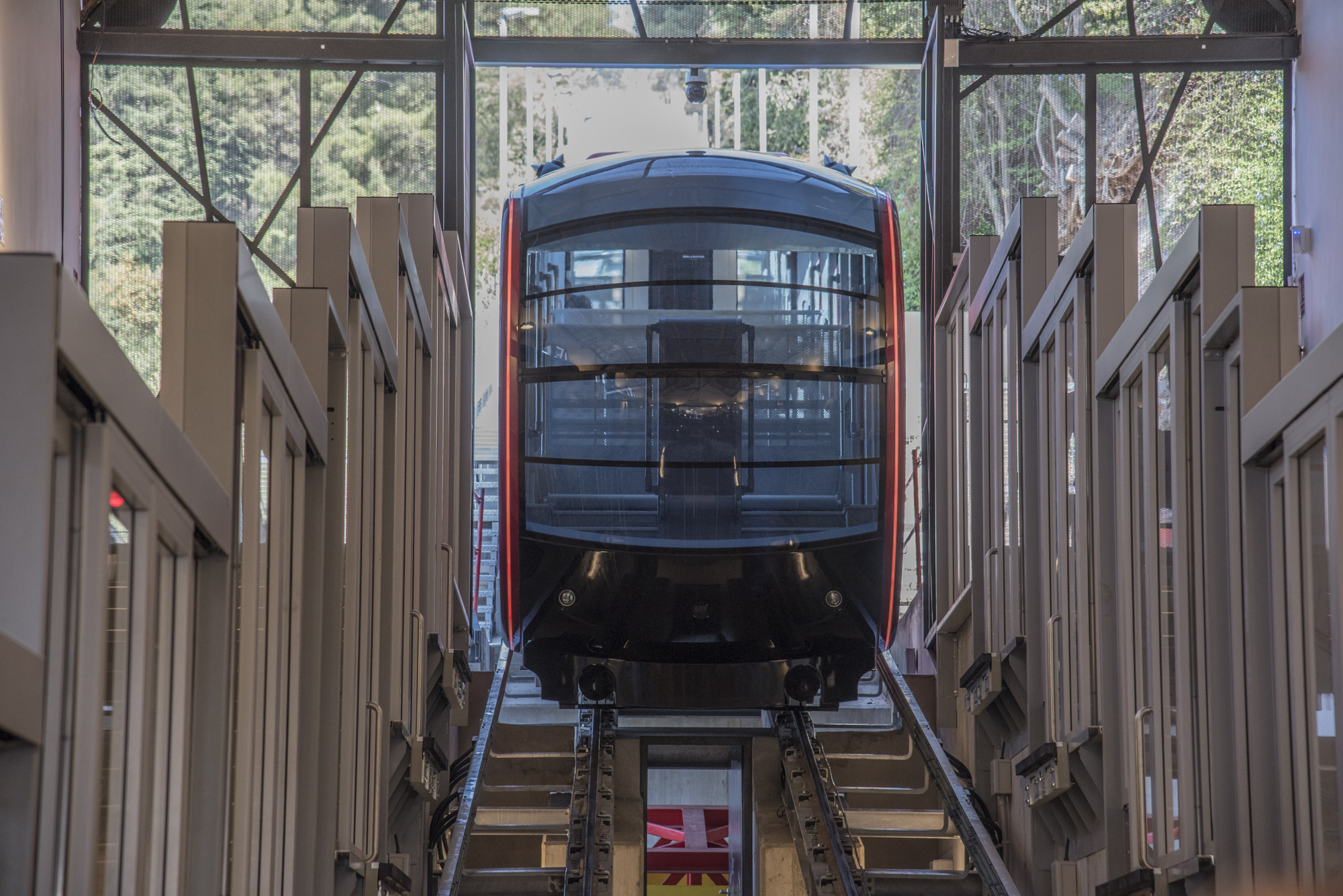
The Glow Worm, Parc d’atraccions Tibidabo funicular railway, is one of the finalists for the prestigious Architizer A+ Architecture Awards. These awards are one of the most relevant international prizes in the area of architecture, and this is the eleventh edition organised by Architizer, an online architecture platform that recognises the most significant architecture, design and innovation projects at a global level.  

The Glow Worm is taking part in the ‘Sustainable Transport Project’ category, which has been included in the competition for the first time, in order to recognise, among other aspects, forms of transport that include sustainable systems and materials while also following best practices in regard to design, construction and ethical operations. Thanks to its advanced, innovative design, the Tibidabo funicular railway is competing against other projects created by internationally recognised architects and design studios.

The names of the award winners will be made public on 30 May once the planned double voting system has been concluded. This consists of a jury of recognised professionals in the sector, along with the result of a popular voting process allowing anyone who registers on the Architizer website to cast their vote. 

From a historic railway to a leading funicular railway using cutting-edge technology

The Glow Worm entered service in 2021, replacing the Parc d’atraccions Tibidabo historic funicular railway, inaugurated in 1901 and the first in Spain. The Glow Worm was built by the Barcelona architecture studio MIAS Arquitectes, based on a design by the prestigious architect Josep Miàs, who had already worked with Tibidabo on various occasions in projects such as the creation of the exterior façade of the Park‘s offices.

The new funicular railway boasts an innovative design that offers unique panoramic views, great comfort for its passengers, digital devices to augment their experience during the journey and a modern lighting system of futuristic inspiration. 

Sustainable mobility, a key factor for Tibidabo

Aware of its privileged location in the Collserola Nature Park, sustainability and respect for its surroundings are key factors for Tibidabo. When the Glow Worm became operational, it marked a major change in the Park‘s mobility, in line with the goal of reducing polluting emissions at the top of the mountain and fostering the use of collective transport. 

Since the Glow Worm entered service, Tibidabo has been working to reduce journeys to the mountaintop in private vehicles, favouring a reduction in polluting emissions and the pacification of the surrounding area. 

The Glow Worm, finalist in the Architizer A+ Architecture Awards
Read the note
Fecha de publicación
News or press release?
Press release
Etiqueta
Imagen destacada
Imatge
Cuerpo

The Foundation is allocating €70,000 to funding selected projects which focus their research on wild animals and biodiversity

This year, the campaign, which is celebrating its 14th edition, has received a total of 16 applications 

The Barcelona Zoo Foundation has awarded eight grants to projects related to the conservation, protection, preservation and research into wild animals and biodiversity. This annual campaign, part of the Foundation‘s Research and Conservation Programme (PRIC in Catalan), is celebrating its 14th edition this year. A total of 16 applications were received, eight of which have been selected by a jury of leading professionals from the scientific community. The winning projects will receive a total amount of €71,219. 

In accordance with the campaign‘s general criteria, one of the factors taken into account in the selection of projects is the leadership of young pre- or post-doctorate researchers. The goal is for the Barcelona Zoo Foundation grants to become a means of support for developing their research careers.

Mediterranean habitats and fauna, the main subjects of study for the selected projects

Most of the awarded grants, 6 out of the 8, focus on studying native Mediterranean fauna and ecosystems, including the marine environment. Furthermore, all of the subsidised studies are carried out in the natural environment of the species concerned, i.e., the physical space where they develop and live. 

The main zoological groups that are the subject of these studies are bats (3 projects), birds (2 projects), land mammals and sharks. The most studied habitats are those typical of the Mediterranean in Catalonia, including woodlands, heaths, and pastures in Montseny, as well as wetlands, agricultural, urban, and coastal areas. However, one of the projects focuses on the tableland in Colombia.

The New Model Zoo, committed to research

One of the strategic lines promoted by the new model Barcelona Zoo is reinforcing its commitment to research and dissemination. In this regard, the Zoo Foundation‘s grant programme is one of its lines of action that foster the generation of knowledge and raise awareness about the need for protecting ecosystems. 

The annual grants constitute a significant way for the Barcelona Zoo Foundation to collaborate with researchers and other external organisations to complement their research and conservation programmes and collaborate with third parties who help protect the most endangered species of fauna.

List of subsidised studies:

  • Evaluation of the measures for recovering pastures in the Montseny Natural Park, concerning biodiversity, using the northern wheatear (Oenanthe oenanthe) as an indicator.
  • A technological and bio-acoustic approach to monitoring colonies of woodland bats.
  • Does bird flu affect the house sparrow (Passer domesticus) population in Barcelona?
  • Endemic species, bats and rice: studying the role of bats as natural controllers of agricultural pests in Madagascar.
  • Implementation of a plan for studying and monitoring the rarest mustelid in the world, the Colombian weasel (Mustela felipei).
  • Presence and seasonality of the bluntnose sixgill shark or cow shark, (Hexanchus griseus) in deep waters in the north-eastern Mediterranean – implications for their conservation.
  • An acoustic study of the distribution of amphibians in the Baixa Tordera area: searching for a species in regression.
  • Harp-Cam: a new citizen-science measure for recording the cryptic diversity of Chiroptera.
The Barcelona Zoo Foundation awards eight grants for research and conservation projects
Read the note
Fecha de publicación
News or press release?
Press release
Etiqueta
Imagen destacada
Imatge
Cuerpo

For the first time, the Zoo has hosted a training session for biology teachers from secondary and post-compulsory education

The initiative is part of the STEAM project, which is jointly promoted by BSM and the UPC in iconic spaces in the city to promote scientific vocations among students

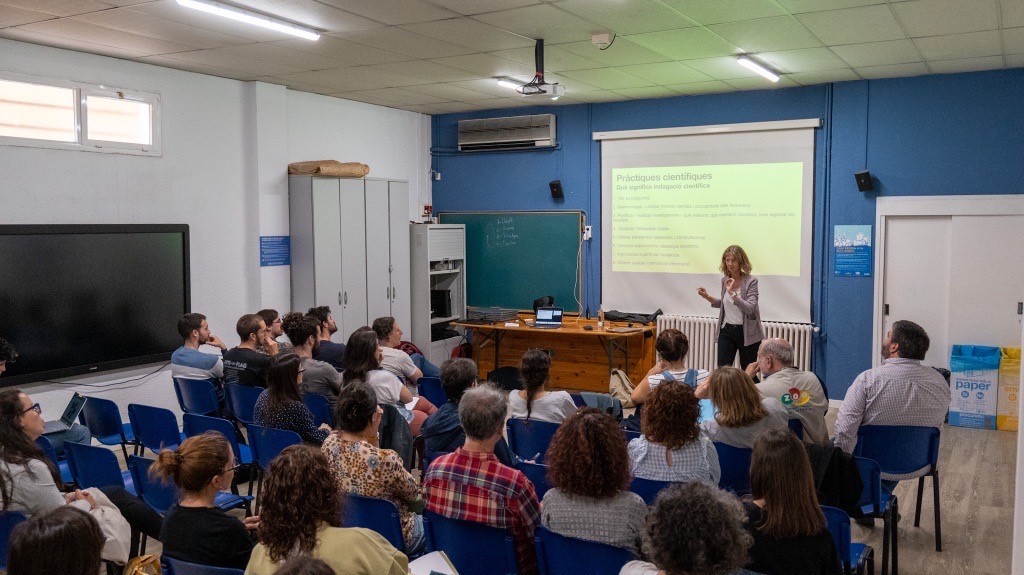
For the first time, Barcelona Zoo hosted a STEAM  (Science, Technology, Engineering, Arts & Mathematics) methodology training session for biology teachers from secondary and post-compulsory education. The Bio-Steam Training took place on 26 April with the collaboration of the Barcelona East School of Engineering (EEBE) of the Universitat Politècnica de Catalunya - BarcelonaTech (UPC). 

The zoo received 45 teachers that teach biology-related subjects to extend their training using a broad range of different educational techniques that go beyond the classroom and which are based on an interest in science through technology. 

Over the course of the day, four half-hour experimental workshops were held, in which participants worked on different areas, all with biology as the core theme. The event included activities with proposals ranging from investigating yeast fermentation, to the process of osmosis in cells, how to conduct experimental psychology experiments in the classroom and studying the effect of social drugs with a microcrustacean. 

The session was rounded out by two talks delivered by professionals from the sector. With Doctor of Health Sciences, Maria Calsamiglia, other proposals were debated, such as how to introduce practices based on the STEAM methodology into school laboratories. With biotechnologist and Doctor of Didactics in Science, Miquel Pérez, a discussion was held on how to design STEAM projects that foster a connection with science and which are socially relevant.

A different teaching method

One of the aims of this training session was to introduce this methodology to teaching staff so they could then apply it in their schools to foster, through recreational activities, scientific vocations with a particular focus on critical thinking and gender equity.

The new Zoo model: committed to education

One of the strategic lines of the new model adopted by Barcelona Zoo is to reinforce its commitment to education, awareness-raising and dissemination. To make this possible, one of the work areas being promoted is the organisation of educational activities aimed at children, families and schools that foster knowledge of subjects such as biology and the environment, in order to raise awareness of the major challenges posed by conserving the planet’s biodiversity. 

As part of this strategic line, the Zoo has become the latest space in the city to get involved in the STEAM project, which already involves the Olympic Ring, the Forum Park and the Tibidabo amusement park. Last year, for the first time it hosted an edition of these science days, which, in collaboration with BSM and the UPC, were carried out with the participation of some 600 children from the first and second years of compulsory secondary education. 
Through projects like the STEAM project, BSM is working to promote the social and educational use of iconic spaces in the city among citizens. 

Barcelona Zoo and the UPC introduce biology teachers to the STEAM methodology
Read the note
Fecha de publicación
News or press release?
Press release
Etiqueta
Imagen destacada
Imatge
Cuerpo

The launch coincides with the two Bruce Springsteen concerts taking place at the Estadi Olímpic this week. This event marks the start of a record year for concerts, with a total of nine concerts scheduled for the same venue

The aim is to promote fluid and sustainable travel to the Estadi Lluís Companys in order to reduce congestion and polluting emissions

In total, the Palau Sant Jordi, the Sant Jordi Club and the Estadi Olímpic will host around 150 events of various kinds this year   

Coinciding with the first of the concerts to be held this year at the Estadi Olímpic Lluís Companys, the Anella Olímpica has launched an information campaign which aims to encourage people attending the events to use sustainable modes of transport when travelling to and from the stadium. Under the slogan “The Estadi Olímpic is very close. Choose the most sustainable way of getting there”, the campaign aims to reflect the Anella Olímpica's commitment to ensuring the sustainability of all its activities, a position that translates into the introduction of different initiatives and measure to reduce its impact in areas as diverse as waste generation, energy consumption and, in this case, mobility in the city. 

The general aim of the initiative is to encourage people coming to events to travel to the stadium using public transport or on foot, and to arrive well in advance, with the aim of reducing polluting emissions and congestion. To achieve this aim, the Anella Olímpica website and social networks and other City Council channels will publish mobility tips and recommendations to encourage people to use the metro and the various bus lines that serve the stadium.

To help visitors, the Anella Olímpica recently improved the practical and service information available on its websites (estadiolimpic.cat and palausantjordi.cat).   The two portals feature extensive information on local public transport options and recommendations regarding accessibility and safety, among other resources of interest. 

General mobility recommendations

Get to the Estadi Olímpic well in advance 

To ensure people get to Montjuïc well in advance and that arrivals are staggered, visitors shouldcheck what time the gates open. This information is available both on the Estadi Olímpic website and on the social networks of the Palau Sant Jordi and the concert promoter. In the case of the Bruce Springsteen concert, gates will open at 6:00 pm

Prioritise the use of public transport and travel on foot 

Prioritise the use of public transport to the area around Parc Montjuïc (Bus, Metro, Funicular or FGC to the stations and stops close to Espanya, Poble Sec, Paral·lel or Foc) and then, if possible, follow the sign-posted routes for pedestrians up to Parc Montjuïc. 
You will find information on the different public transport services available (Bus, Metro, Funicular, FGC) on the websites of the Estadi Olímpic, Palau Sant Jordi, TMB, FGC and on the SMOU app. 

Extra services on the 150 Bus line and shuttle bus service

On concert days, TMB will be providing extra services on line 150  (Pl. Espanya – Montjuïc Castle) during regular service hours. It will also provide a shuttle bus service at the end of the concert to help people with departure.  
Escalators will be in operation for longer

To facilitate travel by foot, the escalators will continue operating until 2:00 am. 

Parking restrictions for private vehicles

When concerts are being held, a special parking plan will be coordinated by the Guàrdia Urbana police and Civic Officers: this plan will restrict parking on the public highway to the sections indicated on Avinguda de l’Estadi, Passeig Olímpic, Passeig del Migdia and Carrer dels Jocs del 92 and Carrer Doctor Font i Quer, as well as in various parking areas located around the Anella Olímpica. People are advised to prioritise travel by public transport to ensure fluid traffic flows and to reduce polluting emissions. 

Citizen information on the Anella websites

On the websites estadiolimpic.cat and palausantjordi.cat, you will find information on the different modes of public transport available for accessing the Anella Olímpica facilities (Estadi Olímpic, Palau Sant Jordi and Sant Jordi Club). The websites also contain other information of interest, such as a general map of services, accessibility measures and assistance for people with reduced mobility and other specific needs resulting from recognised disabilities. Users will also find an FAQ section with information on aspects such as ticket buying and ticket validity, services available at the facilities, safety and security measures and protocols and access policies for minors, etc. 

2023, a record year for the Anella Olímpica

The Bruce Springsteen double feature, with concerts on 28 and 30 April, marks the start of a historic season for music at the Estadi Olímpic. In addition to the two-part event with the New Jersey musician, the stadium will also be the venue for international tours featuring Coldplay (24th, 25th, 27th and 28th of May), Beyoncé (8th of June), Harry Styles (12th of July) and The Weekend (20th of July). There will be nine concerts in all, the highest ever number to date. This will round out a year in which the Anella Olímpica expects to host around 150 events and more than 1.4 million visitors (not counting FC Barcelona’s sporting activities). 

In addition to large scale music and sports events, the Anella Olímpica upholds its commitment to citizens by hosting a number of social, educational and family events each year. One such event is the STEAM Anella, a day of science activities aimed at students from schools in Barcelona and the metropolitan area. Another exciting event will be Dansa Ara, a large contemporary dance programme for primary school children. 

This volume of activity cements Barcelona's position as a cultural and sporting capital, while making a leader in the social and sporting use of its Olympic facilities. 

Further information

How to get to the Estadi Olímpic


The Anella Olímpica launches an information campaign to promote sustainable mobility on concert days
Read the note
Fecha de publicación
News or press release?
Press release
Imagen destacada
Imatge
Cuerpo

BSM has leapt from 471 to 525 points in its second year of assessment. Only 27% of the companies assessed using this model have obtained that many points.

Barcelona de Serveis Municipals (BSM) has received the EFQM 500 Seal. This is the second year that the company has been assessed according to this management model. The Seal has been awarded by the European Foundation for Quality Management (EFQM), which is represented in Spain by Club Excelencia en Gestión. In this second annual assessment, BSM registered 525 points. This marks a clear improvement on the 471 points attained in the previous year, further highlighting the company’s commitment to excellent management, transformation and innovation.

The EFQM Model is a reference framework that provides organisations with a global vision for promoting and stimulating continuous improvement and excellent, innovative and sustainable management, maximising the value provided to the different stakeholders. A total of 3,000 Spanish companies have been awarded this distinction, with only 27% of them reaching the level obtained by BSM. 

The assessors praised the company’s improved relationship with its stakeholders, highlighting the work carried out in terms of active listening and in maintaining a direct relationship with these groups and individuals. They also highlighted the progress made in terms of customer knowledge, with the launch of projects that allow BSM to identify the current and future needs of citizens and to provide a rapid response, with the aim of adapting the proposal value BSM’s corporate culture, in which values serve as the main pillars of the management system, was also recognised.

In receiving the EFQM 500 Seal, BSM has been recognised as a company that is constantly striving for transformation and improvement and which is prepared to address future challenges by providing maximum value to its different stakeholders; particularly to the citizens of Barcelona. 

“This leap forward in the application of the EFQM Model represents an important milestone for BSM, as it helps to further solidify the commitment to excellence, sustainability and continuous improvement that underpins all of our activity,” explained Marta Labata, CEO of BSM.  “The score obtained in this second assessment both endorses and reinforces the transformation being driven through the use of the EFQM model in the generation of positive experiences that improve people’s quality of life. Thanks to the model, we are improving our value contribution in the fields of mobility, culture, leisure and biodiversity. All of this with the aim of making Barcelona a leading city”.  

Ignacio Babé, Director General of Club Excelencia en Gestión, said “We are proud to award the new EFQM 500 Seal to BSM. Thanks to the company’s commitment to continuous improvement and to excellent, innovative and sustainable management, it is turning into a true benchmark for the model’s implementation: not only within the Catalan public sector, but also for companies and organisations in other areas. This is thanks to a daily management model that has a long-term goal: to improve people’s quality of life by generating positive experiences in order to build a healthy and progressive Barcelona. Its way of managing and interacting with stakeholders, its focus on customer experience, the values which serve as the pillars of its management model and the transformation and digitalisation processes that it has undergone—all of which are aligned with the SDG strategy—are some of the reasons that have made BSM worthy of this EFQM 500 Seal.”

BSM receives the EFQM 500 Seal in recognition of its excellent, innovative and sustainable management 
Read the note
Fecha de publicación
News or press release?
Press release
Etiqueta
Imagen destacada
Imatge
Cuerpo

Members of the public visiting the Parc will be able to enjoy this new immersive experience from Sunday, 16 April

The Tibidabo mascots star in a virtual journey that travels from space to the depths of the ocean, in a production created exclusively for the Amusement Park

The Roller Coaster is the second ride to incorporate this immersive technology after the Virtual Express, which was introduced in 2017

The roller coaster at the Parc d’atraccions Tibidabo is being reinvented to mark its fifteenth anniversary. Next Sunday, 16 April, sees the launch of an innovative immersive experience through virtual reality glasses. 

For two minutes, and travelling at 80 kilometres per hour, visitors can enjoy the Roller Coaster like never before, watching an immersive video that will enable them to experience first-hand an exciting fantastical adventure traversing spaces as different as a space station or the ocean floor. The Park mascots will be the stars of the journey. 

The content of this new virtual experience has been created exclusively for the Parc d’atraccions Tibidabo by VR Coaster, a German company specialising in virtual reality. They put together a multidisciplinary team of ten professionals to carry out the project. 

The ride will continue to have the same capacity limits and conditions of use, which is 16 people over 120 centimetres tall per car. People who wish to do so can continue to enjoy the ride without this new high-tech feature. 

The roller coaster is the second ride in the Park to incorporate immersive technologies to create a new experience. 2017 saw the launch of the Virtual Express, turning a classic high-speed train into the first virtual reality ride in Catalonia. 

With the launch of this new virtual journey, the first major new attraction of 2023, Tibidabo maintains its commitment to making the historical essence of the Park's most iconic rides compatible with the creation of innovative experiences that incorporate virtual reality technologies.

More thrills at Parc d’atraccions Tibidabo with the introduction of the virtual reality Roller Coaster
Read the note
Fecha de publicación
News or press release?
Press release
Etiqueta
Imagen destacada
Imatge
Cuerpo

The two projects are the result of a call made by the Barcelona City Council 2030 Agenda Commissioner’s Office and Barcelona de Serveis Municipals (BSM) through the InnovAcció 2030 programme

The aim of the projects is to tackle various challenges to expanding electromobility in the city, such as the concentration of recharging points in parking areas and infrastructure maintenance

The two solutions will be produced as pilot projects and tested in the BSM car park network in 2024

BSM has resolved the innovation processes that will enable the development of flexible, low-cost charging points to boost the expansion of electromobility in the city to get under way. The two projects stem from a public tender issued as part of the InnovAcció 2030 programme, a joint initiative of the Barcelona City Council 2030 Agenda Commissioner’s Office and BSM that aims to find innovative solutions to advance the 2030 Agenda and achieve the Sustainable Development Goals. 

The expansion of electromobility is precisely one of the challenges in moving towards a sustainable, zero-emission mobility model. In Barcelona, BSM’s electromobility network, Endolla Barcelona, is one of the main strategies for supporting citizens in their transition to electric vehicles. 

With 720 points distributed throughout the city, Endolla Barcelona concentrates 75% of the charging points in BSM parking facilities to prioritise sustainable, planned charging during off-peak hours freeing up public space for other uses. 

In that regard, the two challenges posed are intended to thoroughly examine the charging infrastructure's efficient and sustainable development in these areas, speeding up the installation of easy-to-implement charging points that allow vehicles to move between different parking spaces to achieve high vehicle turnover.

The two projects have been chosen by means of a public innovation tender promoted by BSM. They are expected to be implemented through pilot tests in the BSM car park network during the first half of 2024. The total budget for the execution of the two proposals is 160,000 euros.

A charging point that can be moved to other parking places

The first innovative challenge is a mobile electric vehicle recharge point that can be moved and thereby cover several parking spaces, rather than being fixed to a single location. The call to the sector aims to develop a point that can cover several parking spaces consecutively. 

In addition, the mobile point must be able to communicate with Endolla Barcelona's central management system and interact with users via the SMOU app. This challenge has a budget of approximately €90,000 for the development of a prototype.

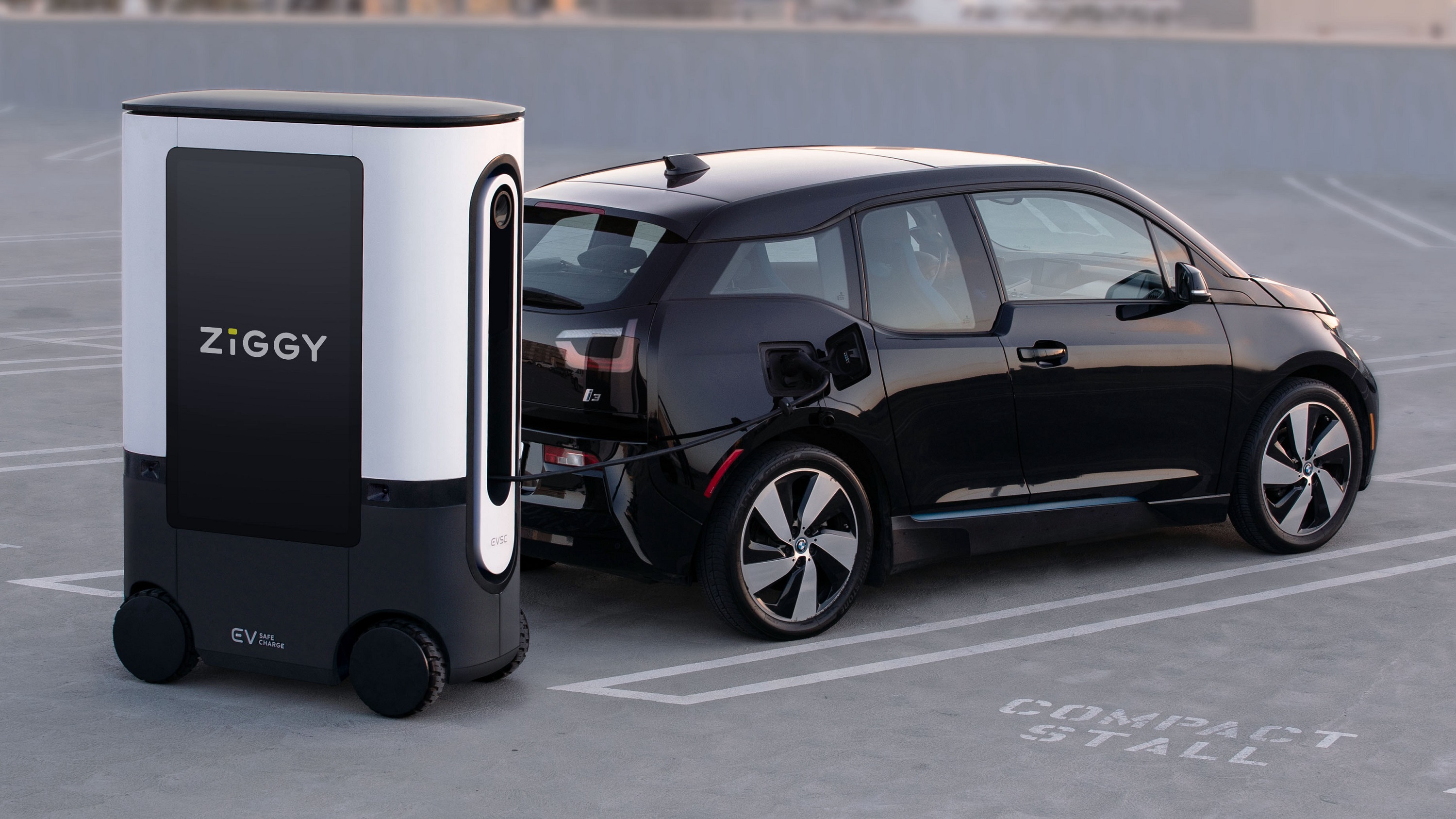
The company chosen to lead this challenge was EV Safe Charge, a California-based start-up that offers solutions for the rapid charging of electric vehicles. The company has designed ZiGGY, a mobile, robotic electric vehicle charger, a preliminary project from which the solution to the InnovAcció 2030 programme challenge will be developed to meet BSM's specific needs. 

A low-cost and easy-to-maintain charging point

The second electromobility challenge proposed developing a new concept for a low-cost and easy-to-maintain electric vehicle charging point. Specifically, five prototypes will be manufactured at a lower cost than at present to evaluate their performance and feasibility. 

The awardee is a Catalan spin-off of the Universitat Politècnica de Catalunya (UPC - Barcelona TECH), teknoCEA, which provides customised power electronics components, systems and services to companies and laboratories.

Bearing in mind one requirement was to stay below €400 per point, teknoCEA has proposed a project for charging points that cost less than €250. This represents a reduction of approximately 80% on the current cost of the points. The challenge has a development budget of approximately €70,000.

Both the mobile charging point and the five low-cost charging points will be tested with real Endolla Barcelona users during the first half of 2024 at the BSM Plaça Navas - Paral·lel car park, where BSM plans to carry out various pilot tests for mobility innovation projects. 

Endolla Barcelona, the public electromobility network 

The public charging point network Endolla Barcelona, managed by BSM, has 720 charging points spread around all the city's neighbourhoods and districts. The network will continue to grow in 2023 until it reaches 1,000 points. 

Endolla ended 2022 with more than 16,000 users and over 100,000 recharges.

Two challenges to promote the design of mobile and low-cost electric charging points resolved 
Read the note
Fecha de publicación
News or press release?
Press release